
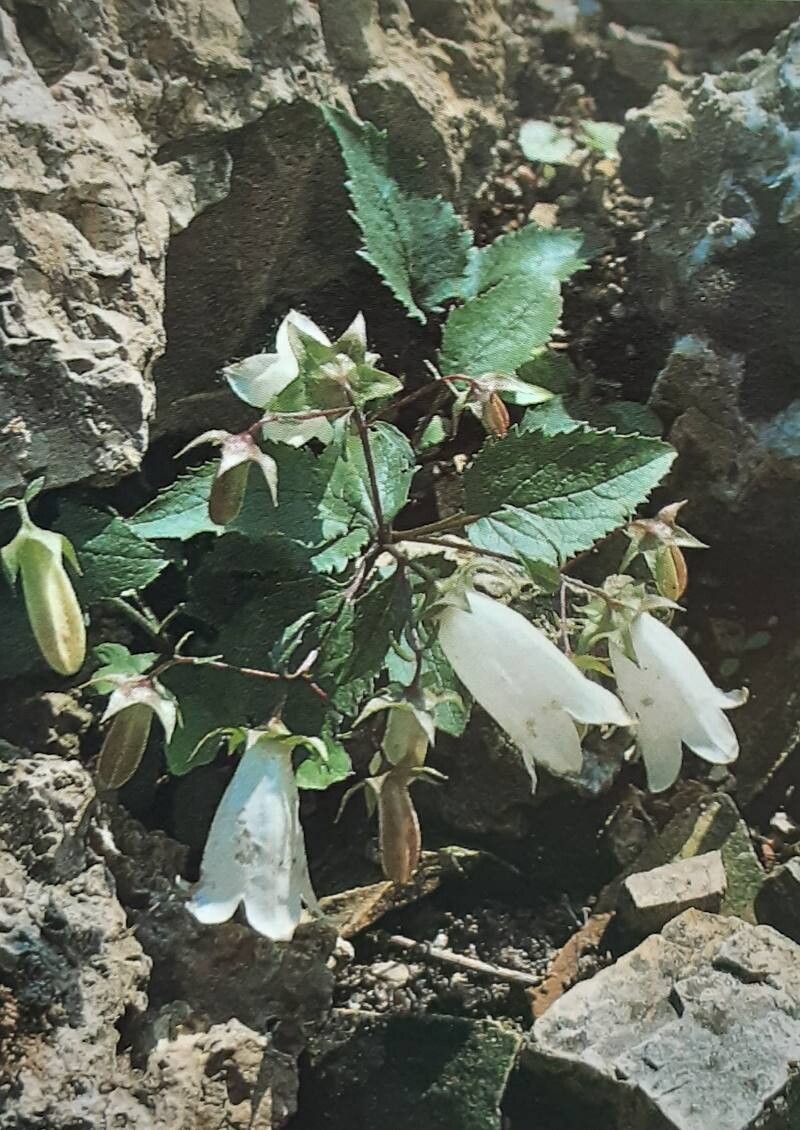
Propagating Campanula betulifolia: A Gardener’s Guide to the Birchleaf Bellflower
Introduction:
Campanula betulifolia, commonly known as the Birchleaf Bellflower, is a charming alpine perennial prized for its delicate, bell-shaped flowers and attractive, birch-like foliage. Its compact habit and profuse blooms make it a favorite among rock garden enthusiasts and those seeking low-maintenance, yet visually striking additions to their landscapes. While readily available commercially, propagating Campanula betulifolia offers a rewarding challenge for the dedicated gardener, allowing for the expansion of existing collections and the potential for creating unique cultivars. However, certain propagation methods prove more successful than others.
Seed Germination:
Currently, there are no known reliable methods for seed germination propagation of Campanula betulifolia. While seeds may be produced, their germination rate is notoriously low, and successful cultivation from seed is rarely reported. Further research into specific germination requirements might yield results in the future, but currently, this method is not recommended.
Cuttings:
Cuttings offer a comparatively reliable method for propagating Campanula betulifolia.
Challenges: The success rate depends on timing and technique. Using softwood cuttings (taken from new growth in spring) tends to yield better results than hardwood cuttings. Maintaining sufficient humidity and preventing fungal infections are crucial.
Practical Tips: Take 4-6 inch cuttings, removing lower leaves to prevent rot. Dip the cut ends in rooting hormone before planting in a well-draining seed-starting mix or perlite. Cover with a plastic bag or cloche to maintain humidity. Keep the cuttings consistently moist but not waterlogged. Rooting can take several weeks to months.
Rewards: Cuttings provide a relatively quick way to increase the number of plants, preserving the genetic characteristics of the parent plant. This avoids the variability associated with seed propagation.
Division:
Division is often the most successful method for propagating Campanula betulifolia.
Challenges: The plant must be established and relatively large before division is feasible. Care must be taken to avoid damaging the root system during the process. Improper division can lead to the death of both parent and offspring plants.
Practical Tips: The best time for division is in spring or autumn. Gently dig up the mature plant, separating the root ball into smaller sections, each with its own healthy roots and shoots. Replant the divisions immediately, ensuring they are well-watered.
Rewards: Division is a rapid and reliable way to increase the number of plants. It is relatively easy to perform, making it an accessible option for home gardeners.
Tissue Culture:
Tissue culture offers the potential for large-scale propagation of Campanula betulifolia and the creation of disease-free plants. However, it’s a highly specialized technique.
Challenges: Tissue culture requires specialized equipment, sterile conditions, and a strong understanding of plant tissue culture techniques. It is not a practical method for the average home gardener.
Practical Tips: This method typically involves placing small plant pieces on a growth medium containing nutrients and hormones in a sterile environment. This encourages the formation of new plantlets, which can later be transferred to individual pots.
Rewards: Large numbers of genetically identical plants can be produced quickly, ideal for commercial propagation or preservation of rare cultivars. Disease-free plants are produced.
Conclusion:
Propagating Campanula betulifolia presents various challenges depending on the chosen method. Seed germination is currently unreliable, while tissue culture requires specialized expertise. Cuttings offer a viable option for home gardeners with a reasonable success rate, although patience and attention to detail are required. Division, however, remains the most reliable and practical approach for most gardeners to increase their stock of this lovely plant. The effort invested, however, is handsomely rewarded by the flourishing display of delicate bellflowers and the undeniable satisfaction of nurturing new life from an existing plant. Remember, patience and persistence are key; don’t be discouraged if your first attempts don’t yield perfect results – the journey of propagation is as rewarding as the destination.