
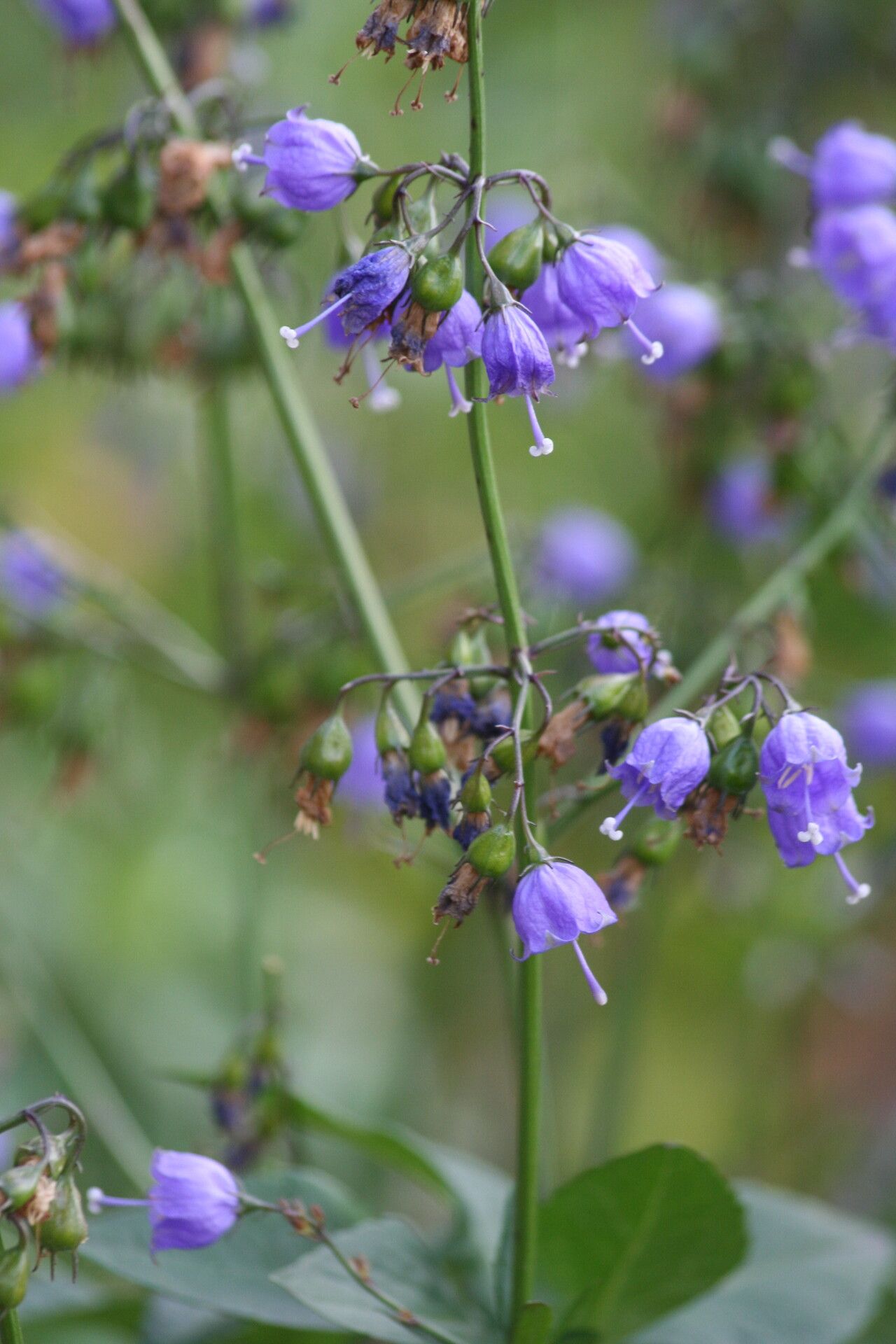
Spreading the Bluebells: Easy Propagation Techniques for Campanula divaricata
The Campanula divaricata, more affectionately known as the Spreading Bellflower, is a gardener’s dream. This North American native boasts delicate, star-shaped blue blossoms that erupt in a captivating display throughout the summer months. But the beauty of the Spreading Bellflower isn’t merely skin deep – it’s also incredibly easy to propagate, allowing you to multiply your floral bounty year after year.
Whether you’re a seasoned gardener or just starting out, this guide will explore various methods for successfully propagating Campanula divaricata, allowing you to share the joy of these charming blooms with friends and family, or simply expand their presence in your own garden.
Understanding the Basics
Before diving into the specifics, it’s helpful to understand the different ways Campanula divaricata can be propagated:
- Seed Propagation: This method involves starting new plants from seeds collected from mature flowers. It’s a rewarding process, though it requires a bit more patience as plants take longer to mature.
- Division: A simple and effective technique, division entails separating established clumps of Campanula divaricata into smaller sections, each capable of independent growth.
- Cuttings: Taking cuttings from healthy stems allows you to create clones of the parent plant. This method is particularly useful for preserving desirable traits.
Method 1: Seed Starting
Seed Collection: In late summer or fall, watch for seed pods to develop and turn brown on your Campanula divaricata. Collect the pods and allow them to dry completely before carefully breaking them open to extract the tiny black seeds.
Sowing: In early spring, fill seed trays with a well-draining seed starting mix. Sprinkle the seeds lightly over the surface, barely pressing them into the soil.
Germination: Keep the soil consistently moist and provide bright, indirect light. Germination typically takes 2-3 weeks.
- Transplanting: Once seedlings develop a few sets of true leaves, they can be transplanted into individual pots or outdoors after the last frost.
Method 2: Division
Timing: The ideal time for dividing Campanula divaricata is early spring or fall when the plant is dormant or actively growing.
Lifting: Gently dig around the base of the plant you wish to divide, ensuring you lift the entire root system.
Separation: Using a sharp knife or garden shears, carefully divide the plant into sections, ensuring each section has a good portion of roots and shoots.
- Replanting: Replant the divisions immediately into well-prepared soil, ensuring they are at the same depth they were originally growing.
Method 3: Stem Cuttings
Taking Cuttings: In spring or early summer, select healthy, non-flowering stems from your Campanula divaricata. Take cuttings approximately 3-4 inches long, making a clean cut just below a leaf node.
Preparing Cuttings: Remove any leaves from the bottom inch of the cutting. Dip the cut end in rooting hormone powder (optional but recommended).
Planting: Insert the cuttings into a pot filled with a well-draining seed starting mix or a 50/50 mix of peat moss and perlite.
- Rooting: Keep the cuttings consistently moist and provide bright, indirect light. Rooting typically occurs within 4-6 weeks.
Tips for Success:
- Campanula divaricata prefers well-drained soil, partial shade to full sun, and regular watering.
- Fertilize plants lightly in spring with a balanced fertilizer.
- Deadhead spent blooms regularly to encourage more flowering.
By following these simple steps, you’ll discover that propagating Campanula divaricata is a rewarding endeavor. Soon, you’ll have an abundance of these delightful bluebells gracing your gardens for years to come. And the best part? You can confidently share the joy of these beautiful blooms with fellow garden enthusiasts!