
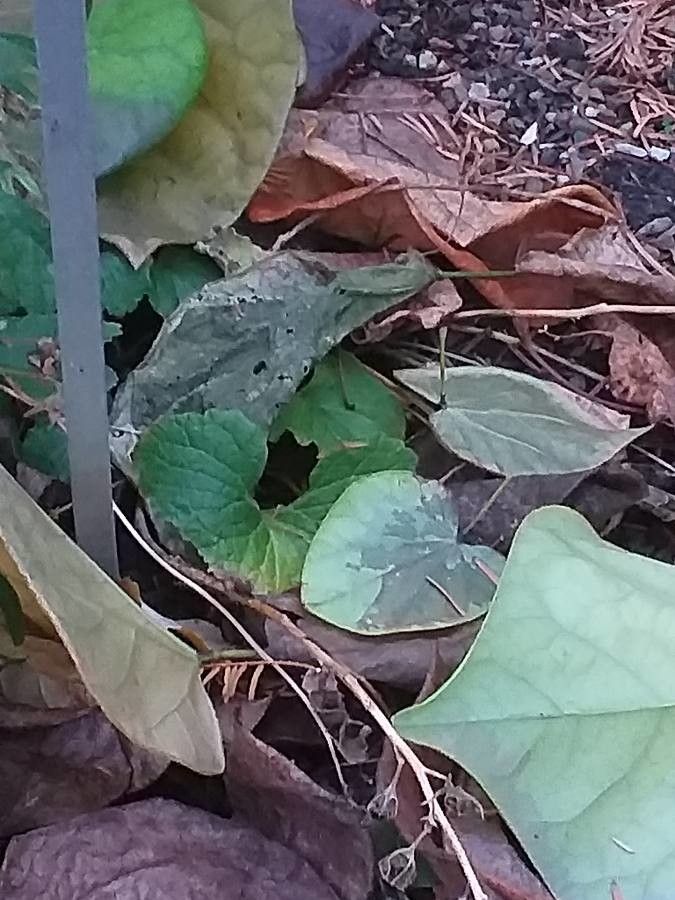
Bringing More Bellflowers to Your Garden: A Guide to Propagating Campanula dolomitica
Campanula dolomitica, with its delicate blue bell-shaped flowers and graceful, cascading habit, is a charming addition to any garden. But sometimes, even with the most careful tending, you simply want more of this lovely plant. Fortunately, propagating Campanula dolomitica is surprisingly straightforward and rewarding.
Two Main Methods: Seeds and Cuttings
For Campanula dolomitica, there are essentially two main methods of propagation:
1. Seed Propagation:
The Direct Approach: For this method, sow your Campanula dolomitica seeds directly into the garden bed. This method works best in areas with cool summers, as the seedlings need time to establish before the heat arrives.
- Timing: Sow the seeds in early spring or late summer, directly into the ground.
- Depth: Barely cover the seeds with soil, as they need light to germinate.
- Watering: Keep the soil moist but not waterlogged.
- The Indoors Method: If you live in a warmer climate or want more control over seed germination, start your seeds indoors.
- Timing: Start seeds 6-8 weeks before the last frost.
- Media: Use a seed-starting mix and fill small seed trays or pots.
- Sowing: Sow seeds thinly on the surface, and mist with water.
- Light and Temperature: Place the trays under grow lights or in a bright, sunny window. Maintain a temperature of around 65-70°F (18-21°C) for best germination.
- Thinning: Once seedlings have a few true leaves, thin them out to give each seedling ample space.
- Transplanting: When the seedlings are large enough to handle, transplant them outdoors into their final growing location.
2. Cuttings:
While seed propagation is a good option, taking cuttings is a quicker and often more reliable way to produce new Campanula dolomitica plants.
- Timing: The best time for taking cuttings is in the spring or early summer, when the plants are actively growing.
- Selection: Choose a healthy, non-flowering stem from the previous year’s growth.
- Preparation: Use a sharp knife or pair of shears to cut a 4-6 inch section, just below a leaf node. Remove the lower leaves and dip the cut end into rooting hormone.
- Planting: Place the cutting into a small pot filled with a well-draining potting mix. Keep the soil moist, out of direct sunlight, and cover the pot with a plastic bag to create a humid environment.
- Patience: It typically takes 4-6 weeks for roots to develop. You can test for rooting by gently pulling on the stem—if there’s resistance, it’s rooted!
- Hardening Off: Once the cuttings are well-rooted, gradually acclimate them to outdoor conditions by exposing them to more and more sunlight over a period of a week or two.
Additional Tips
- Keep it Clean: Sterilize your tools before taking cuttings to prevent the spread of diseases.
- Humidity is Key: Maintaining a high level of humidity around cuttings is crucial for successful rooting.
- Don’t Rush it: Be patient! Rooting takes time, so don’t be discouraged if it seems like nothing is happening.
By taking the time to propagate your Campanula dolomitica, you can enjoy its lovely bell-shaped blooms for years to come. So grab your scissors, your seed tray, and a bit of patience – you can bring more of this delightful plant to your garden than ever before!