
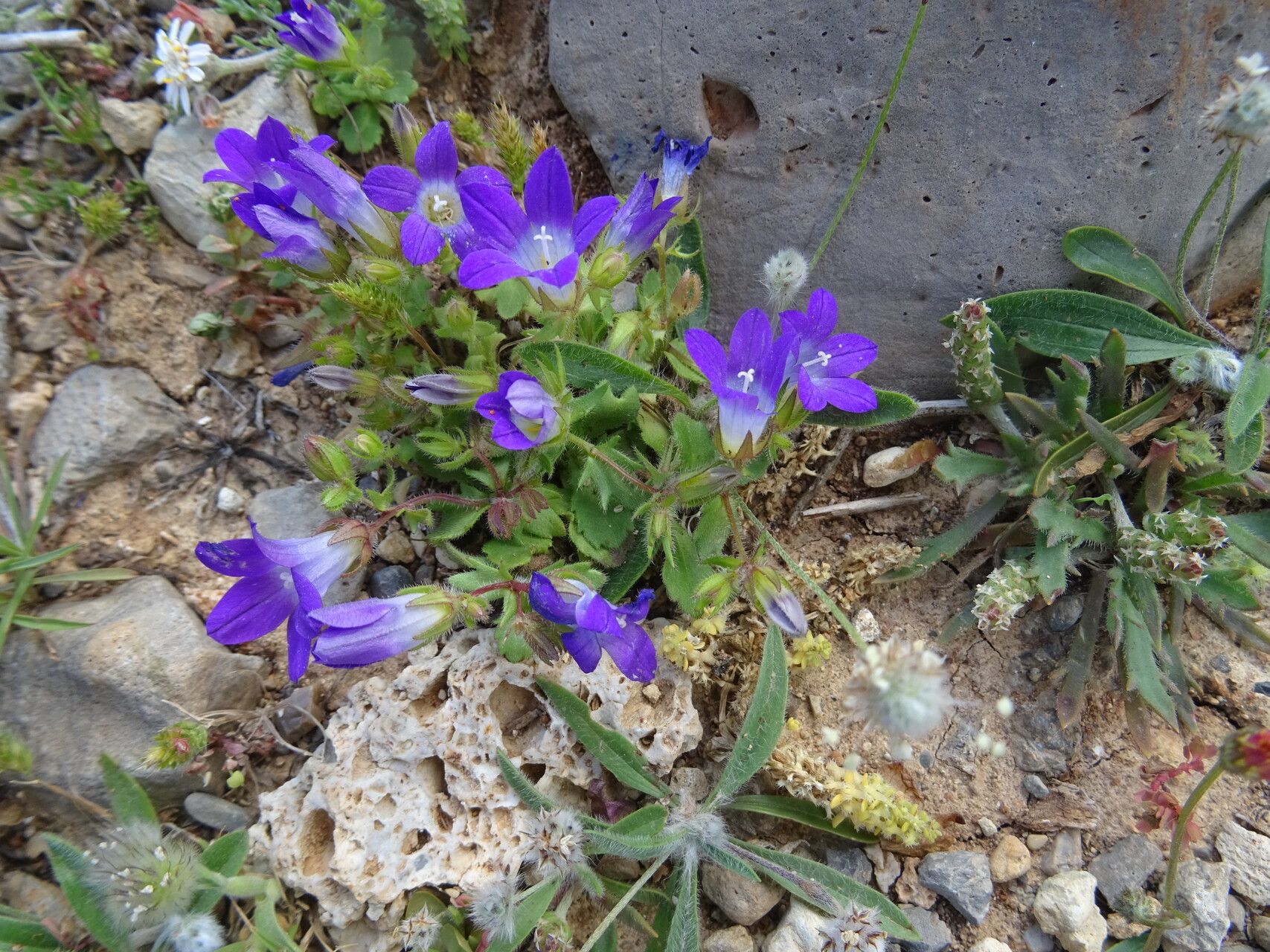
Tiny Bells, Big Potential: Propagating Campanula drabifolia
Campanula drabifolia, also known as the Macedonian bellflower, is a charming little plant with a big presence. Its delicate, star-shaped blooms in shades of violet-blue create a stunning display in rock gardens, border edges, and even alpine troughs. But did you know that this easy-to-grow beauty is also remarkably simple to propagate? Yes, it’s true! You can easily multiply your Campanula drabifolia and spread its charm throughout your garden. Let’s explore the different methods.
1. Seed Propagation:
- Timing is Key: Collect seeds from mature seed heads in late summer or early fall. Look for the heads to turn brown and dry before harvesting.
- Sowing the Seeds: Campanula drabifolia seeds need light to germinate. Sprinkle the tiny seeds on the surface of a well-draining seed starting mix and gently press them in, but avoid burying them.
- Patience is a Virtue: Keep the soil consistently moist and place the tray in a bright location, but out of direct sunlight. Germination can take a few weeks, so don’t despair if you don’t see sprouts right away.
- Transplanting Time: Once seedlings develop a few sets of true leaves, transplant them into individual pots or directly into your garden after the last frost has passed.
2. Division:
- When to Divide: This method is best done in early spring or fall when the plant is dormant.
- Divide and Conquer: Carefully dig up a mature clump of Campanula drabifolia. Gently tease apart the roots to separate the plant into smaller sections, each with healthy roots and shoots.
- Replanting: Replant the divisions at the same depth they were originally growing and water thoroughly.
3. Cuttings:
- The Right Cut: In spring, take 3-4 inch cuttings from new growth just below a leaf node. Remove the lower leaves, leaving only a few at the top.
- Hormone Boost (Optional): While not strictly necessary, dipping the cut end in rooting hormone powder can encourage faster and more successful rooting.
- Planting the Cuttings: Insert the cuttings into a well-draining potting mix, burying the bottom node. Keep the soil consistently moist.
- Creating a Humid Environment: Cover the pot with a plastic bag or use a propagator to create a humid environment that will help the cuttings root.
- New Roots, New Beginnings: After a few weeks, gently tug on the cuttings. Resistance indicates successful rooting. Once roots have developed, transplant the cuttings into individual pots or directly into your garden.
Tips for Success:
- Campanula drabifolia thrives in well-draining soil. Amend heavy clay soils with compost or grit before planting.
- While it prefers full sun, in hotter climates, providing some afternoon shade will help the plant thrive.
- Water regularly, especially during dry spells, but avoid overwatering.
Propagating Campanula drabifolia is a rewarding experience that lets you expand your garden with minimal expense. Regardless of the method you choose, be patient, provide the right conditions, and soon you’ll be enjoying a beautiful display of these charming little bells.