
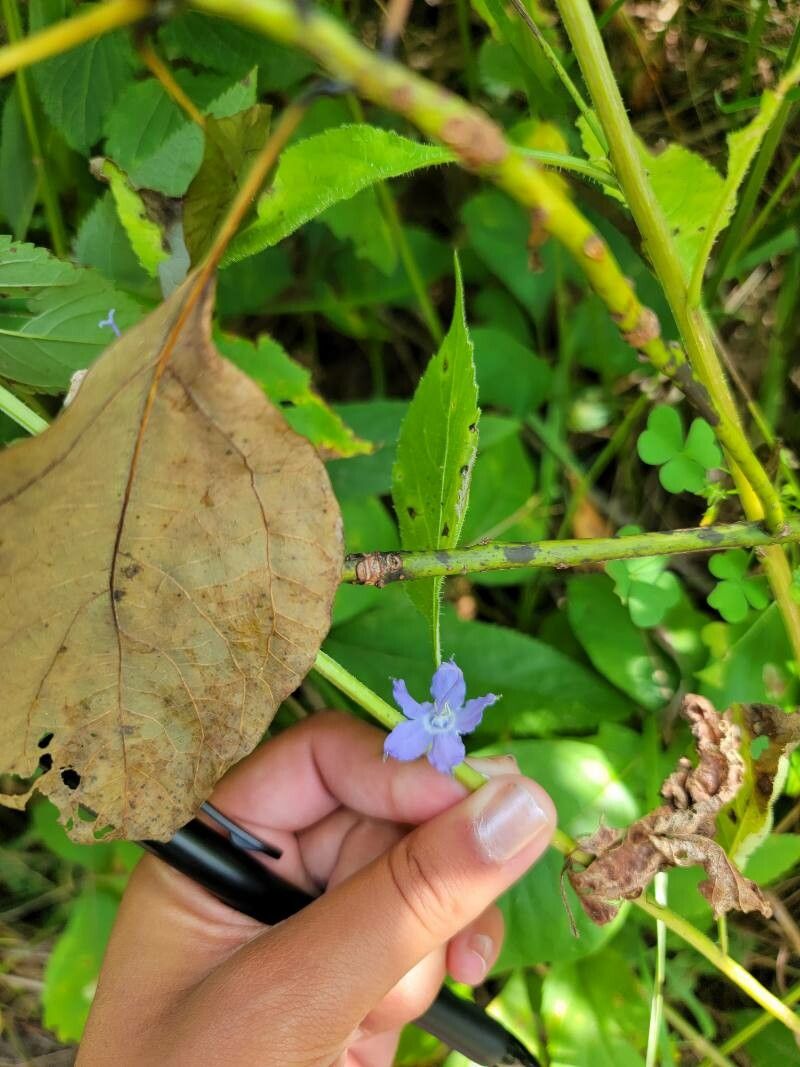
Taming the Tall Bellflower: Propagating Campanulastrum americanum
The American bellflower, or Campanulastrum americanum, is a stately wildflower known for its towering height and delicate purple blooms. It’s a favorite for attracting pollinators and adding a touch of whimsical charm to gardens. If you’ve been lucky enough to encounter this beauty, you might be wondering how to welcome more of its kind into your life. Well, you’re in luck! Propagating Campanulastrum americanum is a relatively straightforward process, achievable through both seeds and cuttings.
Method 1: Seed Starting for a Symphony of Bellflowers
For a bountiful display of these elegant blooms, seed starting is the way to go. Follow these steps for success:
- Harvesting Seeds: In late summer, as the flowers fade, keep an eye out for the developing seed pods. Once they turn brown and papery, carefully collect them before they burst open.
- Preparing for Sowing: Gently break open the seed pods and separate the tiny black seeds. These seeds benefit from a period of cold stratification to mimic natural winter conditions. You can do this by storing them in a moist paper towel inside a sealed plastic bag in your refrigerator for 4-6 weeks.
- Time to Sow: In spring, after the last frost, you can sow your stratified seeds directly outdoors or start them indoors 6-8 weeks before your last expected frost date.
- Sowing Indoors: Fill seed trays with a well-draining seed starting mix. Sprinkle the tiny seeds over the surface and lightly press them in, but don’t bury them – they need light to germinate. Keep the soil consistently moist and warm (around 70°F).
- Sowing Outdoors: Choose a spot with partial shade and well-drained soil. Scatter the seeds on the surface and lightly rake them in. Water gently.
- Thinning is Key: Whether indoors or outdoors, once seedlings have a few sets of true leaves, thin them out to give the strongest ones space to grow (about 12-18 inches apart).
Method 2: Taking Cuttings for a Quick Start
Propagating from cuttings offers a faster route to mature plants, perfect if you want to replicate the characteristics of a particular specimen:
- Timing is Everything: Take cuttings in late spring or early summer from actively growing stems.
- Making the Cut: Choose healthy, non-flowering stems. Using a sharp, clean knife or pruning shears, take a cutting that’s about 4-6 inches long, just below a leaf node (where a leaf emerges from the stem).
- Prep Your Cuttings: Remove the lower leaves from the cutting, leaving 2-3 pairs at the top. You can dip the cut end in rooting hormone to encourage root development (optional but helpful).
- Potting Up: Fill small pots with a well-draining potting mix. Make a hole in the center with a pencil and gently insert the cutting, burying the nodes where you removed the leaves. Water thoroughly.
- Creating a Humid Environment: Cover the pot with a plastic bag or humidity dome to trap moisture and promote rooting. Place the cutting in a bright location out of direct sunlight.
- Rooting Time: It takes about 4-6 weeks for cuttings to develop a good root system. You can gently tug on the cutting to check for resistance, which indicates roots are forming.
- Transplanting: Once rooted, gradually acclimate the new plant to outdoor conditions before planting it in its permanent spot.
Caring for Your New Bellflower Progeny
Campanulastrum americanum thrives in moist, well-drained soil and enjoys dappled sunlight or partial shade. Water regularly, especially during dry periods, and provide a support structure if necessary as the plants gain height. With a little TLC, you’ll soon be graced with a parade of graceful, bell-shaped blooms that will paint your garden with captivating color!