
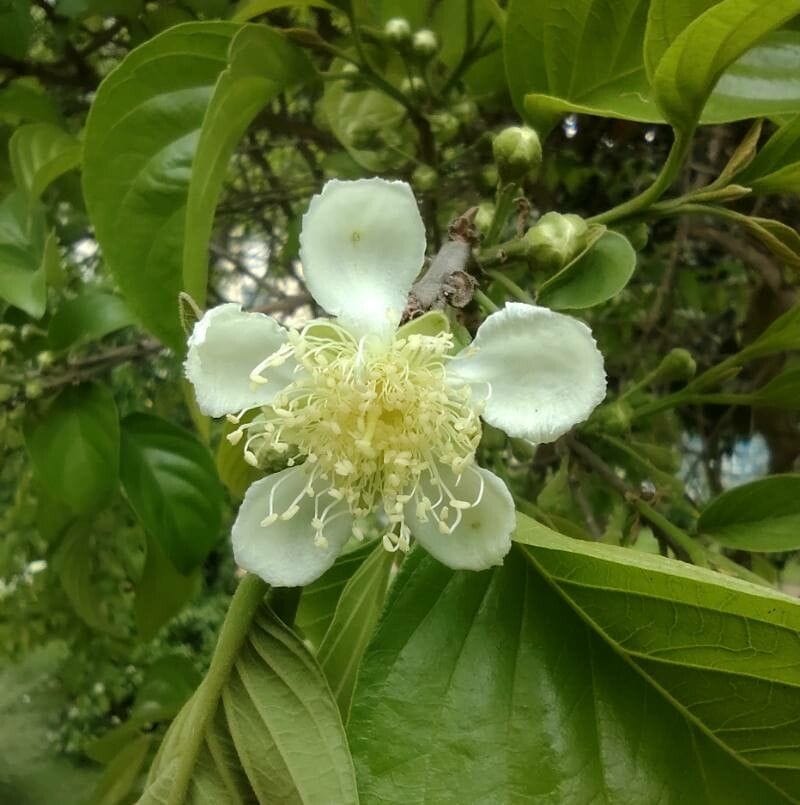
Unlocking the Secrets of Campomanesia lineatifolia Propagation: A Guide to Growing Your Own Delicious Fruit
Campomanesia lineatifolia, also known as the "Guabiroba," is a small, vibrant tree native to South America. This fascinating species not only adds ornamental value with its beautiful foliage and delicate flowers but also gifts us with delicious, vitamin-packed fruits. If you’re captivated by this unique plant and dream of harvesting your own Guabirobas, then learning about its propagation is the perfect place to start.
While not commonly found in nurseries, propagating Campomanesia lineatifolia, though not for the faint of heart, is an incredibly rewarding experience. Here’s a closer look at the two primary methods:
1. Seed Propagation: A Test of Patience and Care
Propagating from seed is the most natural way to grow Campomanesia lineatifolia. This method involves collecting ripe fruits, extracting the seeds, and providing them with the optimal environment to germinate.
- Seed Collection and Preparation: Collect fully ripe fruits, extract the seeds, and clean off any remaining pulp. It’s crucial to use fresh seeds for higher germination rates.
- Sowing the Seeds: Sow the seeds in a well-draining seed-starting mix, barely covering them with soil. Provide warmth, consistent moisture, and bright, indirect light.
- Germination: Be patient! Seed germination can take anywhere from a few weeks to a couple of months.
- Transplanting: Once the seedlings develop a few sets of true leaves, they can be transplanted into individual pots.
Challenges of Seed Propagation:
- Variability: Seed-grown plants can exhibit variations in fruit size, taste, and yield.
- Time Commitment: Growing from seed requires a longer waiting period to enjoy the fruits of your labor.
2. Cutting Propagation: A Faster Route to Fruiting
For a faster and more predictable outcome, propagation through cuttings is preferred. This method involves taking cuttings from healthy, mature plants and encouraging them to develop roots.
- Taking the Cuttings: Select healthy, semi-hardwood stems from the current season’s growth. Using a sharp, sterilized knife or pruning shears, take 4-6 inch cuttings, making clean cuts just below a leaf node.
- Preparing the Cuttings: Remove the lower leaves from the cuttings, leaving only a few at the top. Dip the cut end in rooting hormone to stimulate root development.
- Planting the Cuttings: Insert the cuttings into a well-draining rooting medium like perlite or vermiculite. Maintain consistently moist but not soggy conditions.
- Rooting: Cover the cuttings with a plastic bag or use a humidity dome to create a warm, humid environment. Within a few weeks, roots should start to develop.
- Transplanting: Once the cuttings show signs of new growth and have established a healthy root system, they can be transplanted into individual pots.
Advantages of Cutting Propagation:
- Faster Fruiting: Plants propagated from cuttings tend to fruit sooner than those grown from seed.
- Preserved Characteristics: Cutting-grown plants will generally retain the characteristics of the parent plant, ensuring consistency in fruit quality.
Tips for Success:
- Optimal Timing: Spring and early summer are generally considered ideal times for both seed and cutting propagation of Campomanesia lineatifolia.
- Proper Watering: Maintain consistently moist but not waterlogged soil throughout the propagation process.
- Patience is Key: Remember that propagation takes time and dedication. Be patient, and soon enough, you’ll be rewarded with your very own Campomanesia lineatifolia, ready to grace your garden and tantalize your taste buds with its unique fruits.
Growing your own Campomanesia lineatifolia is a labor of love. Whether you choose the rewarding journey of seed propagation or the quicker results of cuttings, the process offers a unique sense of accomplishment. Happy growing!