
Unlocking the Secrets of Miniature Orchids: Propagating the Elusive Campylocentrum fasciola
Stepping into the world of orchids often feels like entering an enchanting realm filled with exotic beauty and delicate blooms. Among these botanical wonders lies the Campylocentrum fasciola, a miniature marvel demanding a closer look and, for the dedicated enthusiast, a gentle hand in propagation.
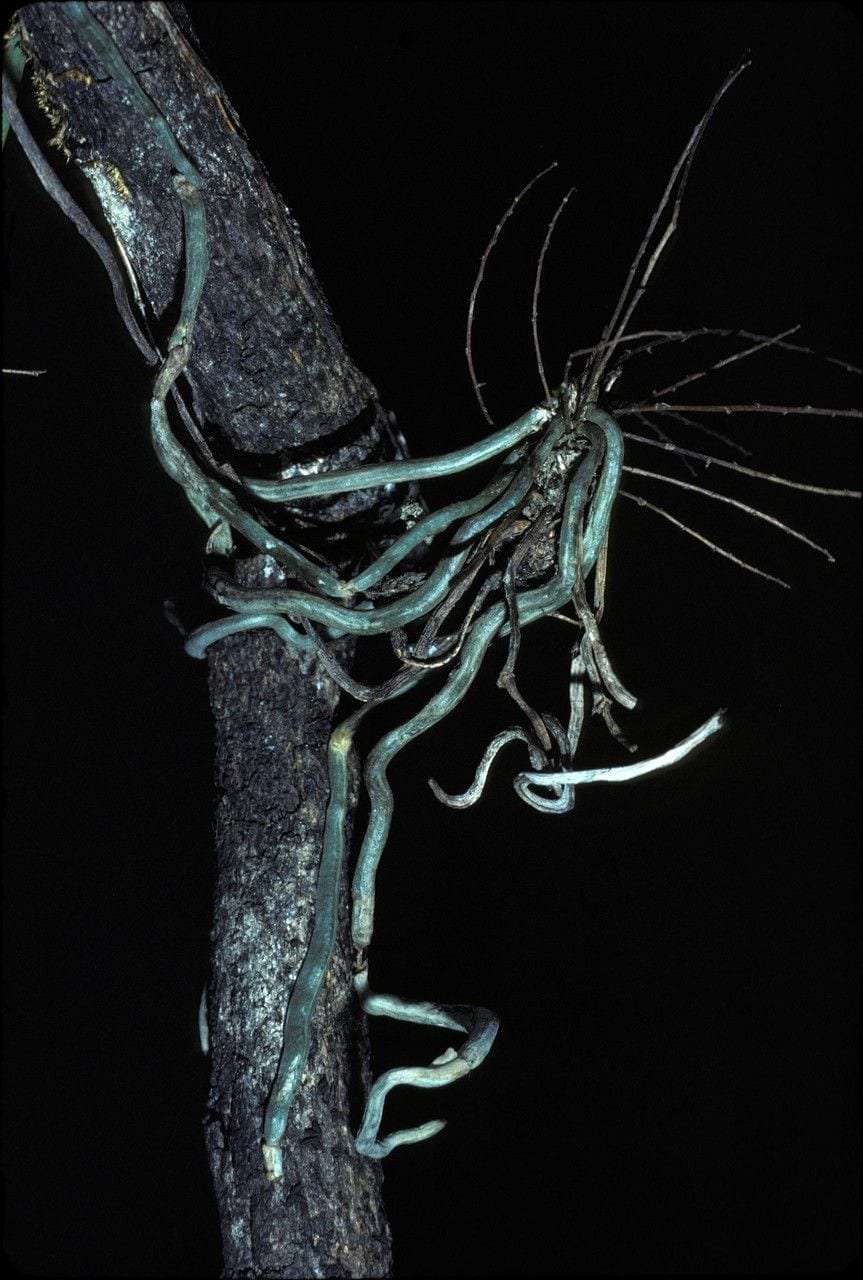
Known for its leafless appearance and fascinating photosynthetic roots, the Campylocentrum fasciola presents a unique challenge for propagation. Unlike many orchids readily multiplying through divisions or keikis, this miniature species primarily relies on seed propagation, a slightly more complex but ultimately rewarding process.
Embracing the Challenge: Seed Propagation
Before embarking on this journey, remember that orchid seeds are incredibly small and lack the energy reserves found in typical seeds. They require a symbiotic relationship with specific mycorrhizal fungi to germinate in the wild. Thankfully, modern techniques allow us to replicate this relationship in a controlled environment.
Here’s what you’ll need:
- Sterile environment: Cleanliness is crucial. Use a laminar flow hood or create a makeshift sterile workspace by sanitizing surfaces and using a still-air box.
- Agar medium: Orchid seed-starting media are readily available online or at specialized nurseries.
- Seeds: You can purchase Campylocentrum fasciola seeds from reputable suppliers specializing in orchids.
- Patience: Germination can take several weeks to months, and seedlings can take a year or more to reach a transplantable size.
The Propagation Process:
- Preparing the Medium: Follow the instructions provided with your chosen agar medium to prepare it. Pour the warm, sterilized medium into sterile petri dishes or jars and allow it to solidify.
- Sowing the Seeds: Working quickly and carefully in your sterile environment, sprinkle a few Campylocentrum fasciola seeds onto the surface of the agar. Avoid overcrowding, as this can encourage contamination.
- Sealing and Incubating: Seal your containers tightly to maintain sterility and prevent moisture loss. Place them in a warm, brightly lit area but out of direct sunlight. The ideal temperature for germination is typically between 70-75°F (21-24°C).
- Monitoring and Replating: Check your cultures regularly for any signs of contamination. You should start to see tiny green spheres, known as protocorms, emerge after a few weeks. As the protocorms grow, you may need to replate them onto fresh medium to provide adequate space and nutrients.
Nurturing Your Miniature Orchids:
Once your seedlings have developed roots and leaves, you can carefully transplant them into individual pots using a well-draining orchid mix. Remember that Campylocentrum fasciola, being epiphytes, thrives in a humid environment with ample airflow. Consider mounting them on cork bark or tree fern fibers to mimic their natural habitat.
Propagating the Campylocentrum fasciola from seed requires dedication and patience. However, witnessing the entire life cycle of this intriguing orchid, from tiny seeds to delicate blooms, is an incredibly rewarding experience. So, why not embrace the challenge and bring a touch of miniature magic into your own home?