
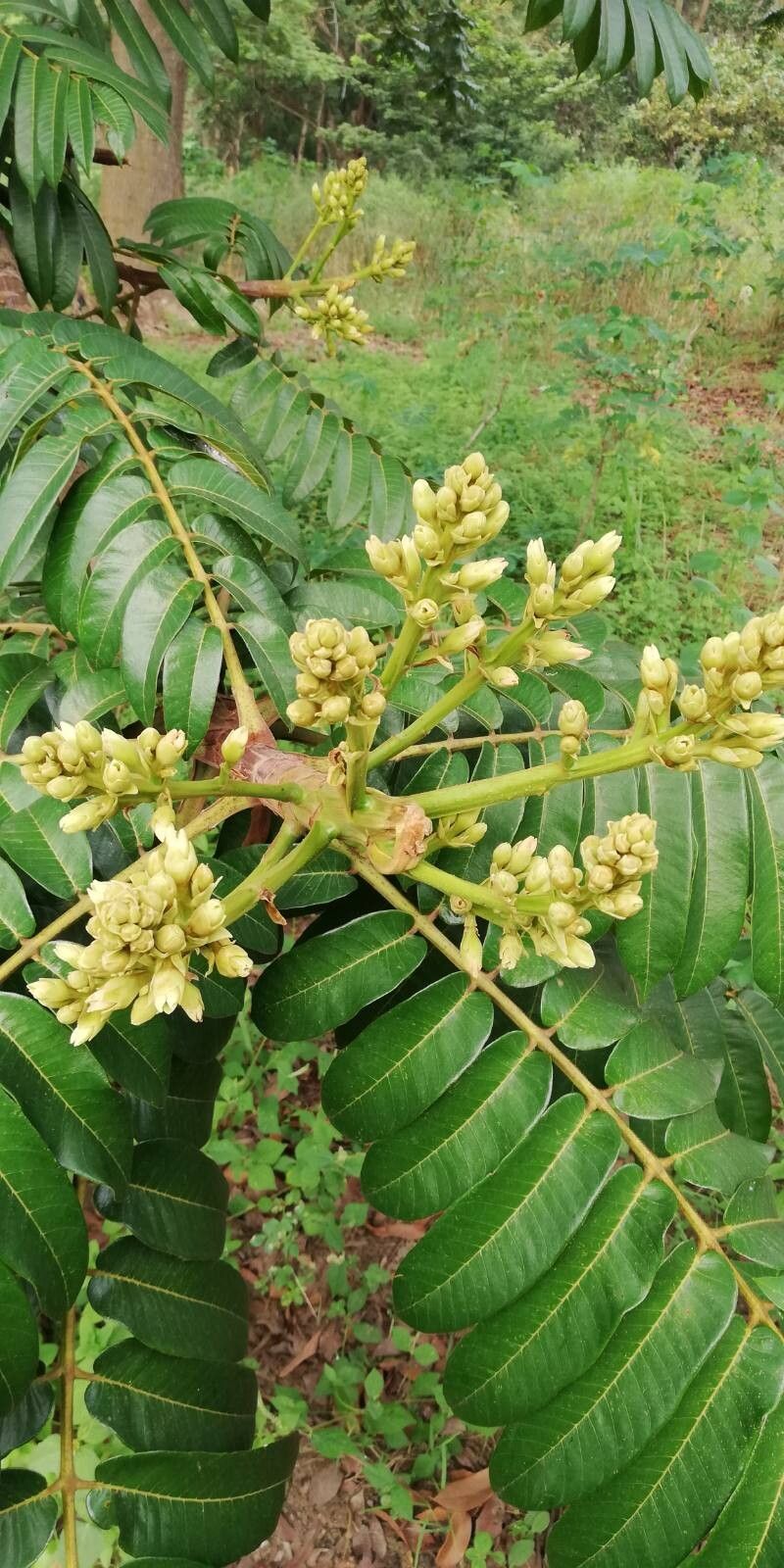
Propagating Canarium schweinfurthii: A Challenging Yet Rewarding Endeavor
Canarium schweinfurthii, commonly known as the African elemi or sometimes simply as elemi, is a fascinating tropical tree species valued for its aromatic resin and attractive foliage. Its horticultural significance stems from its potential as an ornamental tree in suitable climates, as well as its economic value for resin production. While its striking appearance makes it popular amongst certain gardeners, propagating Canarium schweinfurthii presents unique challenges. This article explores various propagation methods, highlighting their viability and offering practical advice.
Seed Germination:
Currently, there are no known reliable methods for seed germination propagation of Canarium schweinfurthii. While seeds may be produced, they often exhibit a very low germination rate, and even under optimal conditions, successful germination remains elusive. Further research is needed to determine specific germination requirements, including potential stratification techniques or pre-treatment methods. The lack of reliable seed germination poses a significant hurdle for large-scale propagation and limits genetic diversity.
Cuttings:
Propagating Canarium schweinfurthii from cuttings presents another challenge. Initial trials have shown low success rates. The challenges lie in the difficulty in rooting the cuttings, which often suffer from fungal infections and desiccation. Applying rooting hormones and maintaining high humidity within a propagation chamber may slightly improve the chances of success. However, this method remains unreliable and difficult compared to other species. Even with careful attention to detail, producing a significant number of successful plants via cuttings is unlikely. The rewards, however, would be the potential for maintaining desirable traits in a clonal population.
Division:
Division is not a viable propagation method for Canarium schweinfurthii. This tree species is generally single-trunked and doesn’t produce suckers or readily divisible root systems.
Tissue Culture:
Tissue culture offers the most promising, albeit technically demanding, method for propagating Canarium schweinfurthii. While research on this specific species is limited, the technique has demonstrated success in propagating similar Canarium species. Establishing sterile cultures and identifying the optimal media and growth hormones are crucial for success. The rewards are significant: large-scale production of genetically uniform plants, rapid propagation, and the potential for disease-free stock. However, this method requires specialized equipment, aseptic techniques, and expertise in plant tissue culture, making it accessible primarily to research institutions and specialized nurseries.
Conclusion:
Propagating Canarium schweinfurthii presents considerable challenges across all commonly employed methods. Seed germination and cuttings have proven largely unreliable, while division is simply not feasible. Tissue culture offers the most promising avenue for large-scale propagation, but its technical complexities and cost represent barriers to entry for most individuals. The inherent difficulties, however, underscore the unique satisfaction derived from successfully cultivating this remarkable tree. The perseverance required to overcome these obstacles adds significantly to the sense of accomplishment. For the aspiring propagator, we recommend focusing initially on tissue culture techniques if resources permit, while supporting ongoing research that investigates improved seed germination practices or explores more viable cutting methods. Remember that success in plant propagation often comes through patience, observation, and a willingness to adapt and learn from failures.