Propagating Caragana turkestanica: Challenges and Rewards of Growing the Siberian Pea Shrub
Introduction:
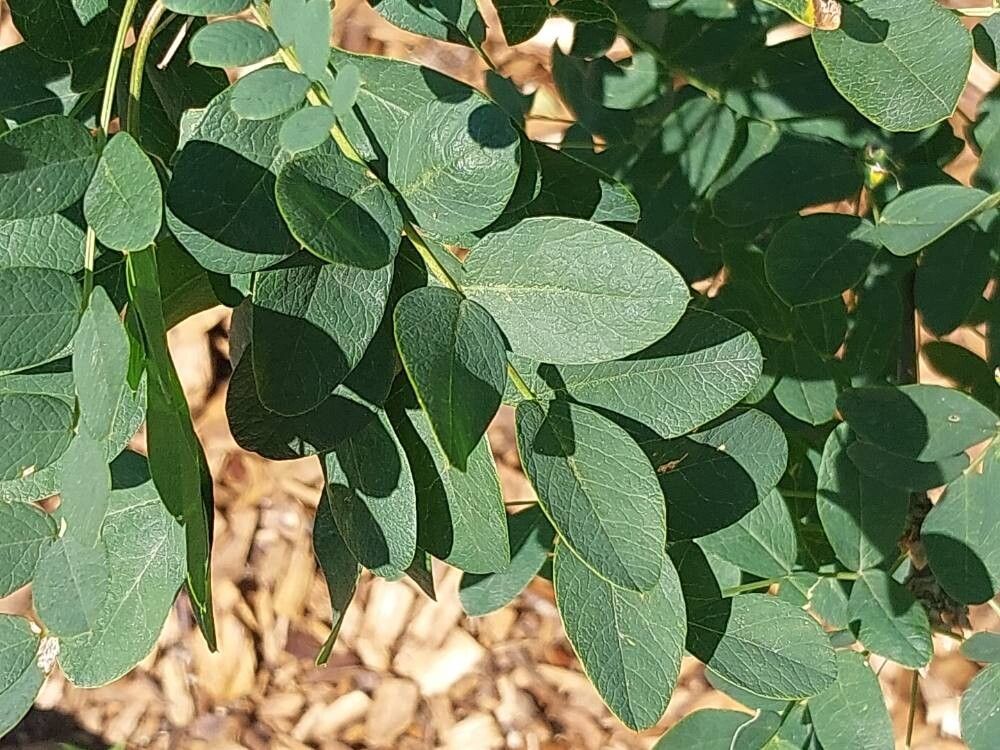
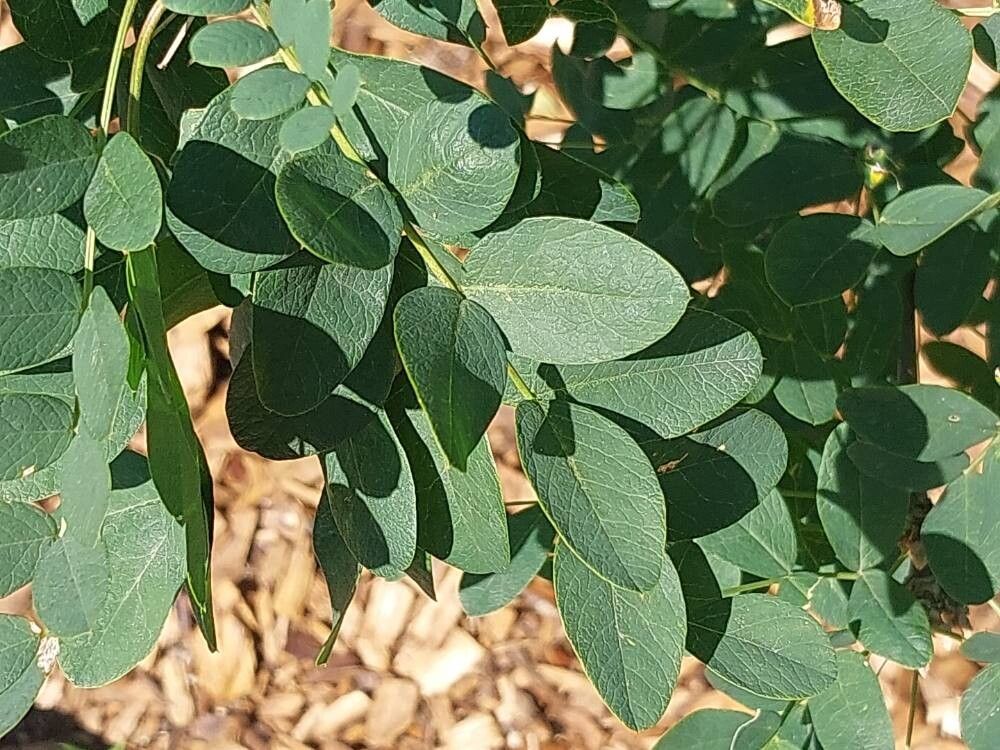
Caragana turkestanica, commonly known as the Siberian pea shrub or Turkestan pea shrub, is a hardy, deciduous shrub prized for its attractive, yellow pea-like flowers and its tolerance to harsh conditions. Its nitrogen-fixing properties make it valuable for soil improvement, and its adaptability to diverse climates has fueled its popularity among gardeners seeking low-maintenance, environmentally beneficial landscaping options. However, propagating this resilient shrub presents unique challenges, depending on the chosen method.
Seed Germination:
Currently, there are no known reliable methods for seed germination propagation of Caragana turkestanica. While seeds are produced, their germination rate is notoriously low and unpredictable. This is likely due to dormancy mechanisms within the seed coat that are yet to be fully understood and overcome by horticultural techniques. Further research into specific stratification techniques or pre-treatment methods may be necessary to improve germination success.
Cuttings:
Cuttings offer a more promising approach to propagating Caragana turkestanica. However, success isn’t guaranteed and depends heavily on timing and technique.
Challenges: Hardwood cuttings taken in late autumn or winter, and softwood cuttings taken in early summer, are more likely to root. The success rate can still be relatively low unless specific conditions are met. These conditions include using rooting hormone, maintaining high humidity, and providing bottom heat to encourage callus formation and root development.
Practical Tips: Use sharp, clean tools to minimize damage to the cuttings. Dip cuttings in a rooting hormone solution before planting them in a well-draining rooting medium (e.g., a mix of peat moss and perlite). Maintain consistently moist but not soggy conditions and ensure adequate light but avoid direct sunlight. A humidity dome or propagation tray can significantly improve success.
Rewards: Successful propagation from cuttings preserves the characteristics of the parent plant, producing genetically identical offspring. This method allows for efficient propagation of desirable cultivars.
Division:
Division is a feasible method for propagating Caragana turkestanica, but it is limited by the size and age of the plant and potentially damages the parent plant if not performed carefully.
Challenges: Division is only effective with established, mature shrubs that have developed multiple stems. Incorrectly dividing the root system can damage the plant and severely hinder its ability to recover. Divisions need to be sufficiently large, with adequate roots and buds, to ensure survival.
Practical Tips: Divide the shrub in early spring or late autumn, ensuring each division retains a healthy portion of the root system and several stems. Plant the divisions immediately in well-prepared soil, maintaining adequate moisture levels.
Rewards: Division is a quick and relatively simple method, potentially producing several new plants from a single mature shrub.
Tissue Culture:
Tissue culture offers the potential for large-scale propagation of Caragana turkestanica, but it requires specialized equipment, sterile conditions, and expertise.
Challenges: Establishing a reliable tissue culture protocol for Caragana turkestanica requires significant research and development, to determine the optimal media composition, growth regulators and other factors critical for successful multiplication. It is a costly and labor-intensive method.
Practical Tips: This is a technique best left to specialized nurseries and laboratories with the necessary expertise and equipment to maintain aseptic conditions.
Rewards: Tissue culture allows for rapid mass production of genetically identical plants, and the potential to produce disease-free plants. It is ideal for the preservation and propagation of rare or valuable cultivars
Conclusion:
Propagating Caragana turkestanica presents various challenges depending on the chosen method. Seed propagation remains unreliable, while cuttings offer a more realistic approach with a moderate success rate requiring careful attention to detail. Division serves as a simple option for mature shrubs but offers limited scalability. Tissue culture, while potentially yielding large amounts of plants, requires specialized knowledge and resources. Despite the hurdles, successfully propagating this hardy shrub, whether through cuttings or division, brings a unique sense of accomplishment. The persistence required highlights the gardener’s connection with the life cycle of the plant and the immense satisfaction derived from nurturing a small cutting into a thriving shrub with its beautiful yellow blooms. The rewards of successfully propagating Caragana turkestanica—whether for personal enjoyment or environmental enrichment—make the effort worthwhile for patient and dedicated gardeners.