
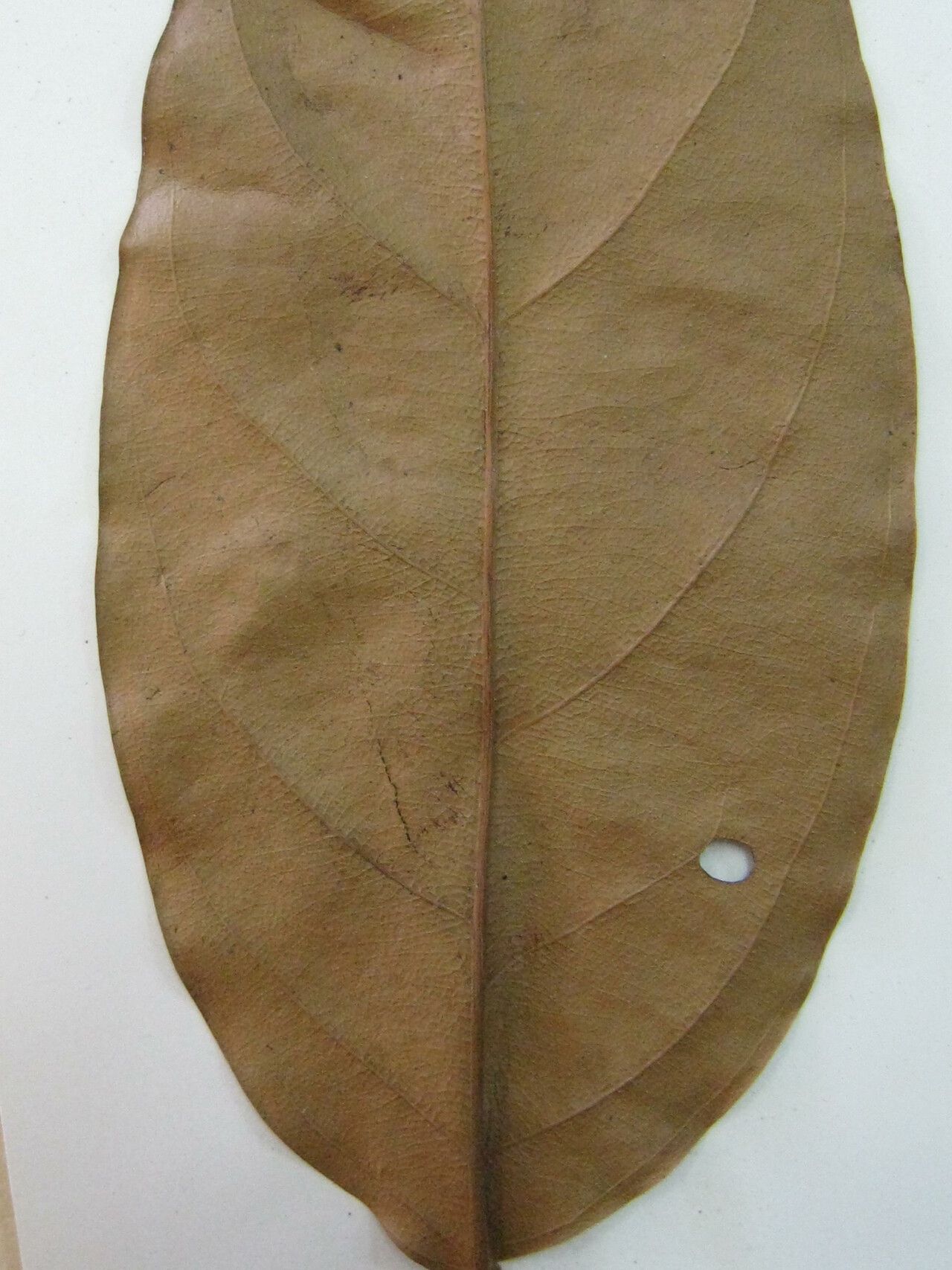
Unlocking the Secrets of Caraipa Richardiana: A Propagation Guide
Caraipa richardiana, a tropical tree native to the Amazon rainforest, might not be a household name like roses or sunflowers. Yet, this hidden gem of the plant world holds immense promise, particularly for its medicinal properties traditionally used by indigenous communities. If you’re intrigued by the prospect of cultivating this unique species, you’ve come to the right place! This guide delves into the art of Caraipa richardiana propagation, unveiling the secrets to successfully growing this botanical treasure.
Understanding Caraipa Richardiana
Before embarking on your propagation journey, it’s essential to familiarize yourself with Caraipa richardiana’s basic requirements. This majestic tree thrives in warm, humid climates with ample rainfall, characteristic of its Amazonian home. It prefers well-drained soil rich in organic matter and dappled sunlight or partial shade. Knowing these preferences will help you create the ideal environment for successful propagation.
Propagation Methods: Seeds vs. Cuttings
Propagating Caraipa richardiana can be accomplished through two primary methods: seeds and cuttings. Each approach comes with its own advantages and challenges:
1. Seed Propagation:
- Pros: Seed propagation is considered the most natural and reliable method for Caraipa richardiana.
- Cons: Finding viable seeds can be challenging, and germination rates can be unpredictable.
2. Cutting Propagation:
- Pros: This method offers faster results compared to seeds and allows for the replication of specific plant traits.
- Cons: Cutting propagation requires more specialized knowledge and may not always be successful.
Step-by-Step Seed Propagation Guide
Seed Sourcing: Obtaining seeds from reputable suppliers specializing in rare or exotic plants is crucial. Look for fresh seeds for the best germination rates.
Seed Preparation: Soak the Caraipa richardiana seeds in lukewarm water for 24 hours. This process helps soften the seed coat and encourages germination.
Sowing the Seeds: Plant the soaked seeds in a seed-starting mix formulated for tropical plants. Ensure good drainage and maintain a warm temperature around 75-85°F (24-29°C).
- Patience is Key: Germination can take several weeks to months. Keep the soil consistently moist but not waterlogged, and provide bright, indirect sunlight.
Step-by-Step Cutting Propagation Guide:
Selecting Cuttings: Choose healthy, semi-hardwood cuttings, about 4-6 inches long, from a mature Caraipa richardiana plant.
Preparing the Cuttings: Remove leaves from the bottom third of the cutting and wound the cut end slightly to encourage rooting. Dip the wounded end in rooting hormone powder.
Planting the Cuttings: Plant the prepared cuttings in a well-draining potting mix specifically designed for cuttings. Maintain a warm, humid environment.
Encouraging Root Development: Cover the cuttings loosely with a plastic bag or humidity dome to create a mini greenhouse, ensuring proper ventilation to prevent fungal growth. Monitor moisture levels closely, keeping the soil consistently moist but not waterlogged.
- Transplanting: Once the cuttings develop a robust root system, typically within a couple of months, they can be transplanted into larger pots or directly into the ground, depending on your climate and growing conditions.
Nurturing Your Caraipa Richardiana
Whether you choose seed propagation or cuttings, providing proper care is vital for the healthy development of your Caraipa richardiana. Maintain consistent warmth and humidity, protect it from extreme temperatures and frost, and water regularly while ensuring adequate drainage. Fertilize your plant during the growing season with a balanced, slow-release fertilizer to provide essential nutrients.
A Rewarding Endeavor
Propagating Caraipa richardiana can be a rewarding journey for passionate plant enthusiasts. While it requires patience and dedication, successfully nurturing this unique tree from seed or cutting allows you to contribute to its preservation and potentially enjoy its numerous, unexplored benefits for years to come.