
Unearthing the Secrets of Cardamine Carnosa Propagation: A Guide to Multiplying Your Toothwort Treasure
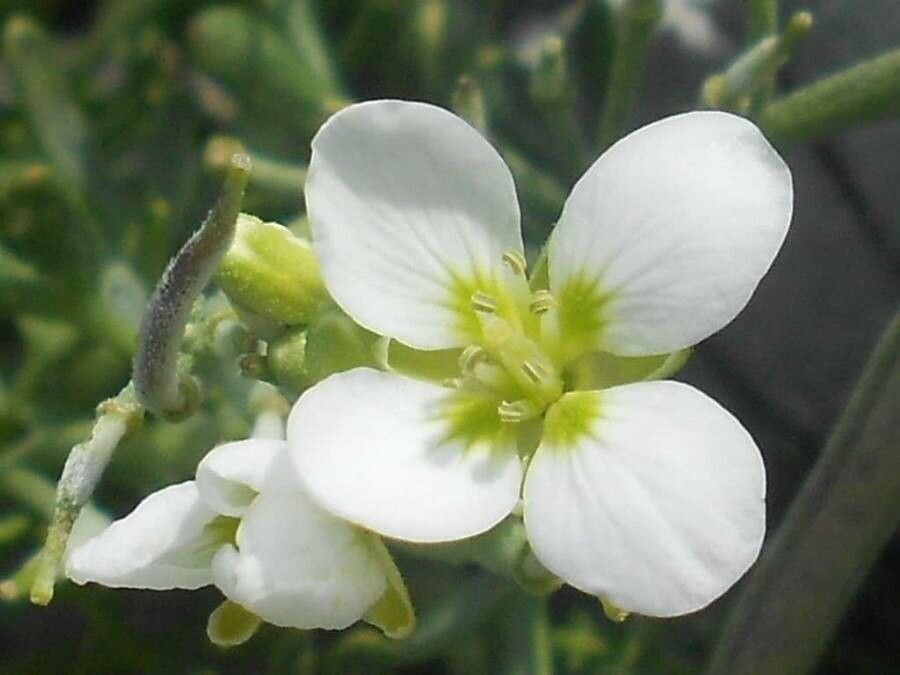
Cardamine carnosa, the charming perennial known for its delicate white flowers and unique, slightly peppery foliage, is a hidden gem for many plant enthusiasts. Native to the Appalachian Mountains, this shade-loving beauty, also known as “Mountain Watercress” or “Toothwort,” isn’t just a visual delight – its leaves are edible, adding a piquant kick to salads and sandwiches.
If you’re lucky enough to have this enchanting plant grace your garden or are considering welcoming it in, you’ll be pleased to know that propagating Cardamine carnosa is an achievable endeavor, even for beginners. Let’s explore the different methods to multiply your Toothwort treasure:
1. Division: The Simplicity of Splitting
Division is the most straightforward and often most successful method for propagating Cardamine carnosa. This technique capitalizes on the plant’s natural tendency to form sprawling clumps.
- When to Divide: Early spring, just before new growth emerges, or early fall are the optimal times for dividing.
- How to Divide: Gently dig up the entire clump, ensuring minimal root disturbance. Using your hands or a sharp, clean tool, carefully separate the plant into smaller sections, ensuring each division has a good amount of roots and shoots. Replant these divisions at the same depth they were previously growing, water well, and watch them thrive in their new homes.
2. Seed Starting: Embracing the Cycle of Life
While slightly more time-consuming, starting Cardamine carnosa from seed offers a rewarding experience.
- Seed Collection: After flowering, keep an eye out for the development of slender seed pods. Harvest these pods when they turn brown and begin to dry, carefully collecting the tiny seeds within.
- Sowing: Sow the seeds in a well-draining seed starting mix, lightly pressing them into the surface. Mist the soil gently and keep it consistently moist.
- Patience is Key: Seed germination can take several weeks. Provide warmth and indirect light during this period.
- Transplanting: Once the seedlings develop a few sets of true leaves, they can be transplanted into individual pots or directly into the garden after the last frost.
3. Stem Cuttings: Encouraging Root Development
Taking stem cuttings is another viable method for propagating Cardamine carnosa, particularly during the active growing season.
- Cutting Selection: Choose healthy, non-flowering stems. Using clean, sharp shears, take cuttings approximately 4-6 inches long, making the cut just below a leaf node.
- Preparing the Cuttings: Remove the lower leaves from the cutting, leaving a few at the top.
- Rooting Hormone (Optional): While not strictly necessary, dipping the cut end in rooting hormone can encourage faster and more successful root development.
- Planting the Cuttings: Plant the cuttings in a well-draining potting mix, burying at least one leaf node. Keep the soil consistently moist and provide indirect light.
- Transplanting: After a few weeks, gently tug on the cuttings. Resistance indicates successful rooting. Once the cuttings have developed a strong root system, they can be transplanted to their permanent locations.
Tips for Success:
- Cardamine carnosa thrives in moist, well-drained soil. Amend your planting site with compost to improve drainage and fertility.
- Choose a location with partial to full shade, as harsh sunlight can scorch the delicate foliage.
- Consistent moisture is crucial, especially during the establishment phase.
Propagating Cardamine carnosa allows you to share the unique beauty and flavor of this plant with fellow garden enthusiasts. Whether you choose division, seed starting, or stem cuttings, the process is an enjoyable and rewarding way to expand your collection of this captivating plant treasure.