
Unlocking the Secrets of Cardamine crassifolia: A Guide to Propagation
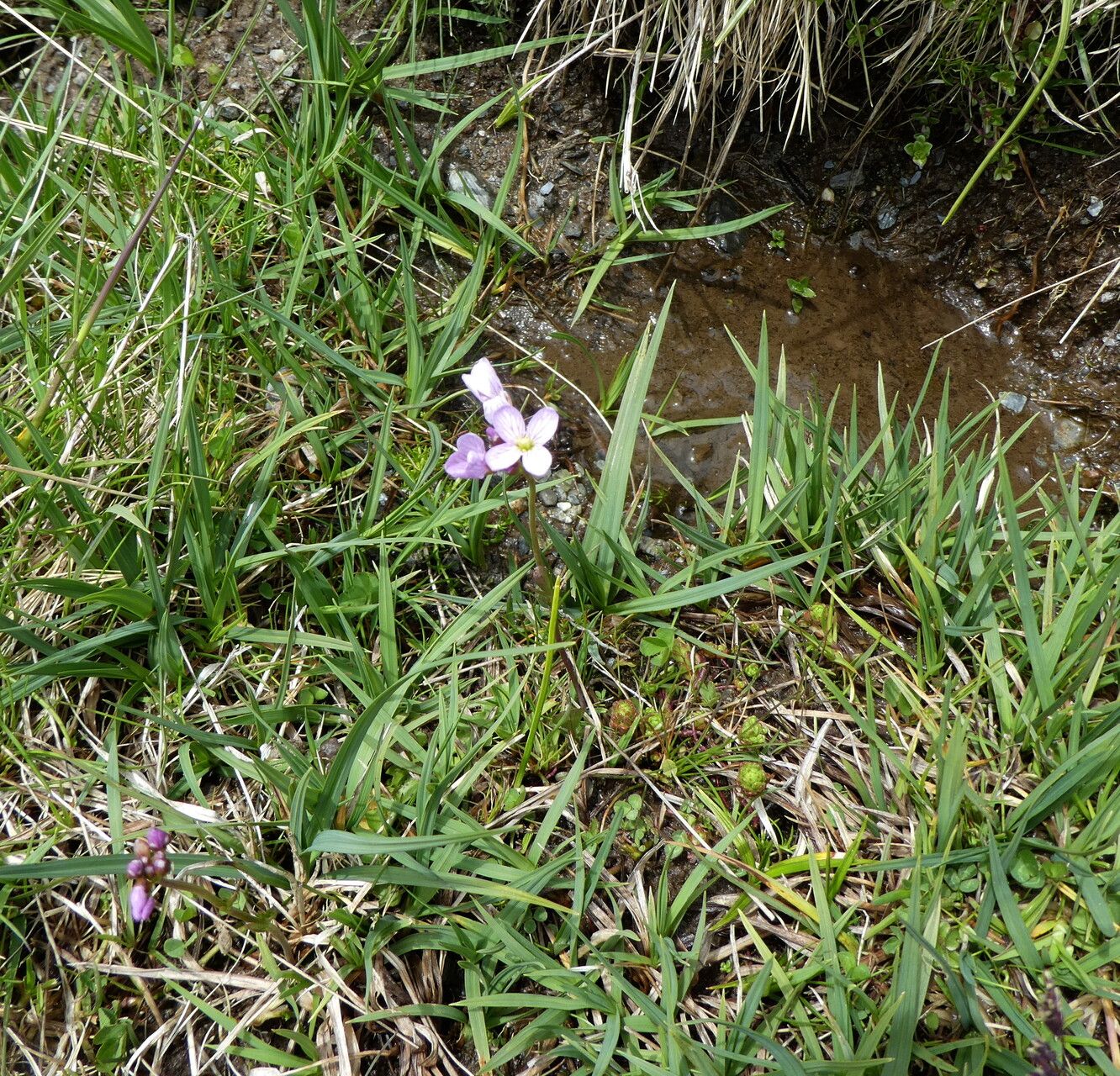
Cardamine crassifolia, also known as the fleshy toothwort or the plantain-leaved bittercress, is a charming little plant with a lot to offer. Native to the Pacific Northwest, this perennial boasts delicate white flowers and a surprising resilience. While not as widely known as some of its botanical cousins, Cardamine crassifolia is gaining popularity amongst gardeners seeking out unique and adaptable species.
If you’re lucky enough to have this delightful plant gracing your garden, you might be wondering how to propagate it and share its beauty. Luckily, Cardamine crassifolia offers several avenues for increasing your stock, each with its own rewards and challenges.
1. Division: The Simplicity of Splitting
For established clumps of Cardamine crassifolia, division is the easiest and most common propagation method. Here’s how to do it:
- Timing is Key: Aim to divide your plants in early spring or fall when the weather is cool and the soil is moist.
- Dig Carefully: Gently lift the entire clump from the ground using a garden fork, taking care not to damage the roots.
- Divide and Conquer: Carefully separate the clump into smaller sections, ensuring each section has a good amount of roots attached.
- Replant and Water: Replant the divided sections in well-prepared soil, ensuring they are at the same depth as they were originally growing. Water thoroughly.
2. Seeds: A Test of Patience
Propagating Cardamine crassifolia from seed can be a bit more challenging but equally rewarding. Follow these steps for success:
- Seed Collection: Collect seeds from mature plants as soon as the seed pods turn brown and begin to split open.
- Cold Stratification: Cardamine crassifolia seeds benefit from cold stratification. This mimics the natural winter conditions and encourages germination. Store seeds in a moist paper towel in the refrigerator for 4-6 weeks.
- Sowing Time: Sow the stratified seeds in a seed tray filled with a well-draining seed starting mix. Press the seeds lightly into the surface, but do not bury them.
- Patience is a Virtue: Germination can be erratic and may take several weeks or even months. Keep the soil consistently moist but not waterlogged.
3. Cuttings: Cloning Your Favorite Clump
While less common, taking basal cuttings can be a viable method for propagating Cardamine crassifolia. Here’s how it’s done:
- Springtime Snipping: Take cuttings from new growth in early spring before the plant flowers.
- Cut and Treat: Using a clean, sharp knife or pruners, take cuttings approximately 3-4 inches long. Remove the lower leaves and dip the cut end in rooting hormone.
- Potting and Patience: Plant the cuttings in a pot filled with a well-draining potting mix. Keep the soil moist and place the pot in a warm, bright location out of direct sunlight. Rooting may take several weeks.
Tips for Success:
- Well-Drained Soil: Cardamine crassifolia prefers well-drained soil that is rich in organic matter.
- Light Shade Advantage: Plant in a location that receives partial shade, particularly during the hottest part of the day.
- Consistent Moisture: Keep the soil consistently moist but avoid overwatering, as this can lead to root rot.
With a bit of patience and care, you can successfully propagate Cardamine crassifolia and enjoy its delicate charm for years to come. Whether you choose to divide, sow seeds, or take cuttings, each method offers a unique opportunity to connect with this delightful plant and bring its beauty to every corner of your garden.