
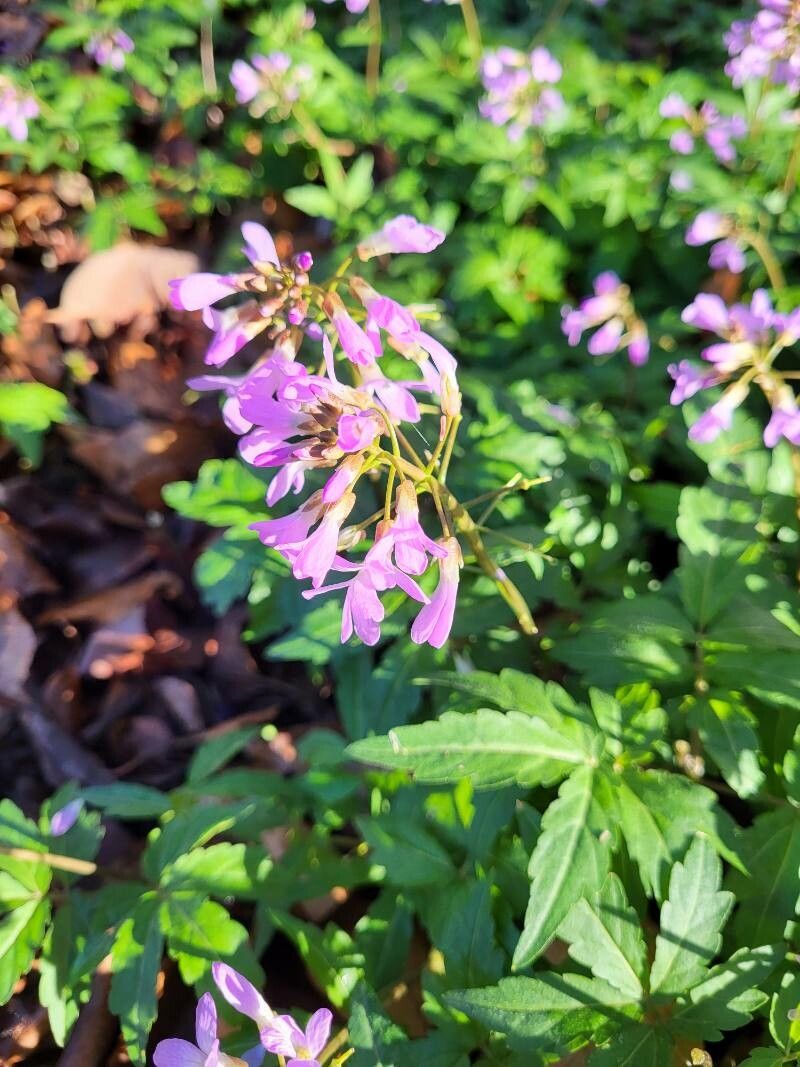
Unlocking the Secrets of Five-Leafed Toothwort: A Propagation Guide for Cardamine quinquefolia
Cardamine quinquefolia, more charmingly known as the five-leaf toothwort, is a woodland wildflower that captivates with its delicate, star-shaped blooms and verdant foliage. Native to Europe and Asia, this shade-loving beauty brightens spring gardens with its early blooms, often appearing before the trees fully leaf out. But how do you invite this enchanting plant into your own garden? Let’s unlock the secrets of propagating Cardamine quinquefolia.
Three Paths to Propagation
While Cardamine quinquefolia freely self-seeds in optimal conditions, you can take a more proactive approach to propagation through three main methods:
1. Seed Sowing:
- Timing is Key: Collect seeds from mature plants in late spring or early summer, ideally just as the seed pods are starting to dry. Alternatively, you can purchase seeds from reputable suppliers.
- Cold Stratification: Mimic nature’s way by cold stratifying the seeds. Mix them with a bit of moist sand or vermiculite, place them in a sealed bag, and store them in the refrigerator for 4-6 weeks.
- Sowing Time: Once stratified, sow the seeds in seed trays or pots filled with a well-draining seed-starting mix. Lightly press them into the surface but don’t bury them deep.
- Patience is a Virtue: Germination can be slow, sometimes taking up to a month or even longer. Maintain consistent moisture and place the trays/pots in a cool, shaded location.
2. Division:
- The Best Time: Early spring or late fall, when the plant is dormant, is the ideal time to divide established clumps.
- Gentle Hands: Carefully lift the entire clump from the ground, gently shaking off any excess soil.
- Divide and Conquer: Use your hands or a sharp, clean knife to separate the clump into smaller sections, ensuring each division has a good amount of roots and shoots.
- Replanting: Replant the divisions at the same depth they were originally growing, spacing them about 12 inches apart. Water them well.
3. Root Cuttings:
- When to Take Cuttings: Take root cuttings in late fall or winter when the plant is dormant. This method is especially useful for quickly increasing your stock.
- Prepare the Cuttings: Carefully unearth a section of the plant’s roots. Choose healthy, pencil-thick roots. Cut them into 2-3 inch sections, making sure to note which end was closest to the crown (this end should be planted upwards).
- Planting Time: Plant the root cuttings vertically in a tray or pot filled with a well-draining mix of peat moss and perlite or vermiculite, ensuring the top of the cutting is just below the surface.
- Patience and Moisture: Keep the medium consistently moist and be patient – it may take several weeks for new shoots to emerge.
Creating the Perfect Environment
Cardamine quinquefolia thrives in shady or partially shaded locations with moist, humus-rich soil. Adding a layer of leaf mulch will help retain moisture and mimic the plant’s natural woodland habitat.
By following these propagation techniques and providing optimal growing conditions, you can welcome the enchanting beauty of Cardamine quinquefolia to your garden and enjoy its delicate charm year after year.