
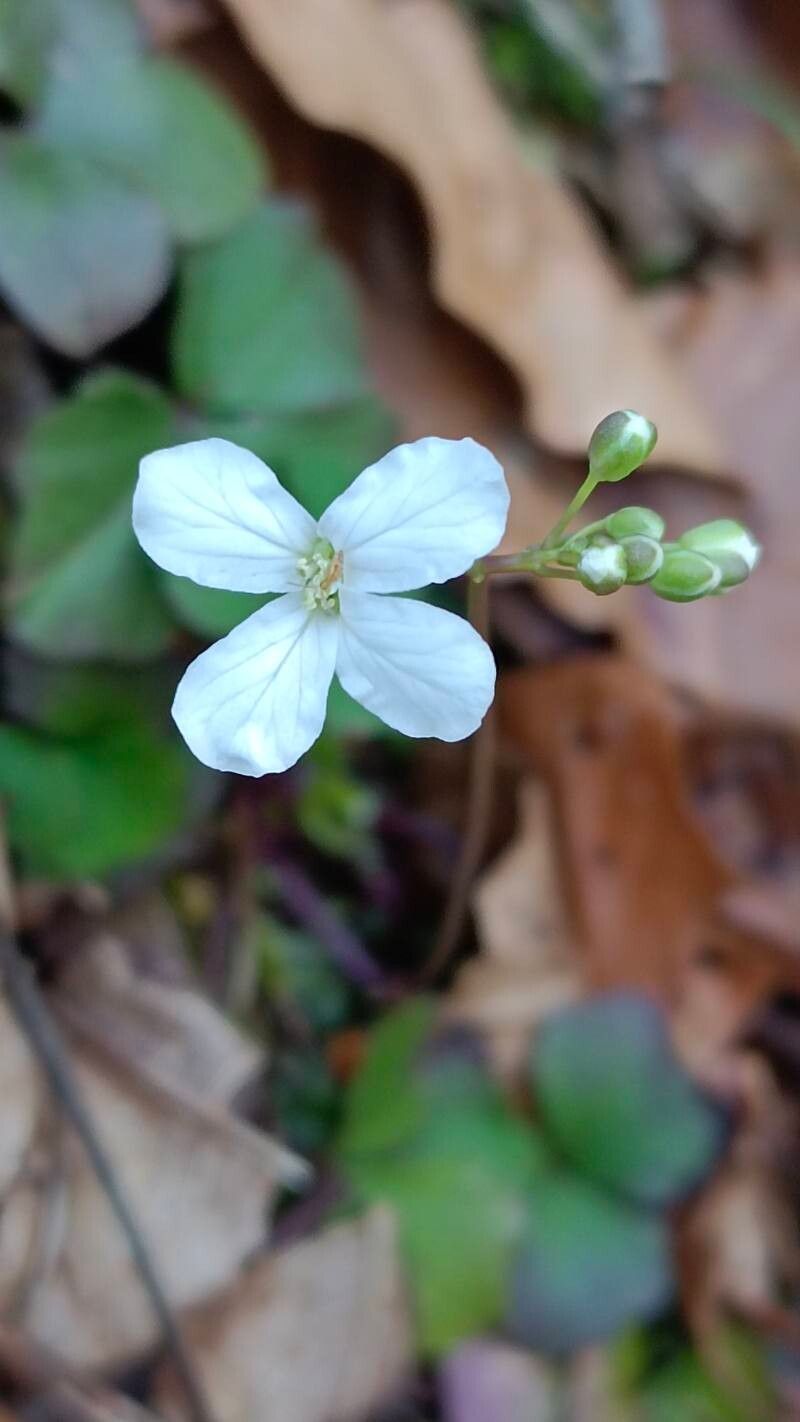
Triple the Charm: Easy Propagation Techniques for Cardamine Trifolia
Cardamine trifolia, also known as the three-leaved bittercress or trinity flower, is a charming evergreen groundcover prized for its delicate white flowers and lush, clover-like foliage. Perfect for brightening shady corners of the garden, this low-maintenance beauty is remarkably easy to propagate, allowing you to multiply your stock and share the joy with fellow gardeners. Let’s explore the simple methods for propagating Cardamine trifolia and watch your garden flourish!
Understanding the Basics of Propagation
Before we delve into the specifics, let’s clarify what we mean by propagation. Put simply, it’s the process of creating new plants from existing ones. This can be done through various methods, each utilizing different parts of the parent plant. For Cardamine trifolia, we’ll focus on two incredibly effective techniques: division and cuttings.
1. Division: The Gift that Keeps on Giving
Division is arguably the easiest and quickest way to propagate Cardamine trifolia. Ideally performed in spring or early fall, this method capitalizes on the plant’s natural growth pattern.
Here’s how it’s done:
- Choose mature, healthy plants: Select clumps that appear robust and have spread sufficiently.
- Dig carefully: Using a garden fork or spade, gently lift the entire clump from the ground, ensuring you get a substantial root system.
- Divide the clump: Depending on its size, you can either tease apart smaller sections by hand or use a sharp, clean knife to cut through the roots and foliage. Aim for divisions containing a good amount of roots and shoots.
- Replant immediately: Prepare the new planting sites by loosening the soil and adding compost. Plant the divisions at the same depth they were originally growing and water thoroughly.
2. Stem Cuttings: From Snip to Sprout
Stem cuttings offer another straightforward propagation method, particularly effective during the growing season (spring to early summer).
Here’s a breakdown of the process:
- Take cuttings: Select healthy stems that are free from flowers or buds. Using clean, sharp shears, cut a 3-4 inch section just below a leaf node (where the leaf joins the stem).
- Prepare the cuttings: Remove the lower leaves, leaving only 2-3 leaves at the top. If desired, you can dip the cut end in rooting hormone to encourage faster root development.
- Potting up: Fill small pots with a well-draining potting mix. Insert the cut end of each stem into the soil, ensuring the leaf nodes are buried.
- Create a humid environment: Cover the pots with a clear plastic bag or place them in a propagator to maintain humidity. Place them in a bright location out of direct sunlight.
- Monitor and care: Water regularly, keeping the potting mix moist but not soggy. Once you see new growth, it indicates successful rooting. Gradually acclimatize the cuttings to outdoor conditions before transplanting them.
Tips for Success:
- When dividing, ensure each section has a healthy portion of roots and shoots for optimal growth.
- For cuttings, using rooting hormone can significantly increase the success rate.
- Choose a well-drained potting mix and avoid overwatering to prevent root rot.
Propagating your Cardamine trifolia is a rewarding experience that allows you to expand your garden and share this enchanting plant with others. With these simple techniques and a little care, you’ll soon have a flourishing carpet of green and white adorning your shady haven.