
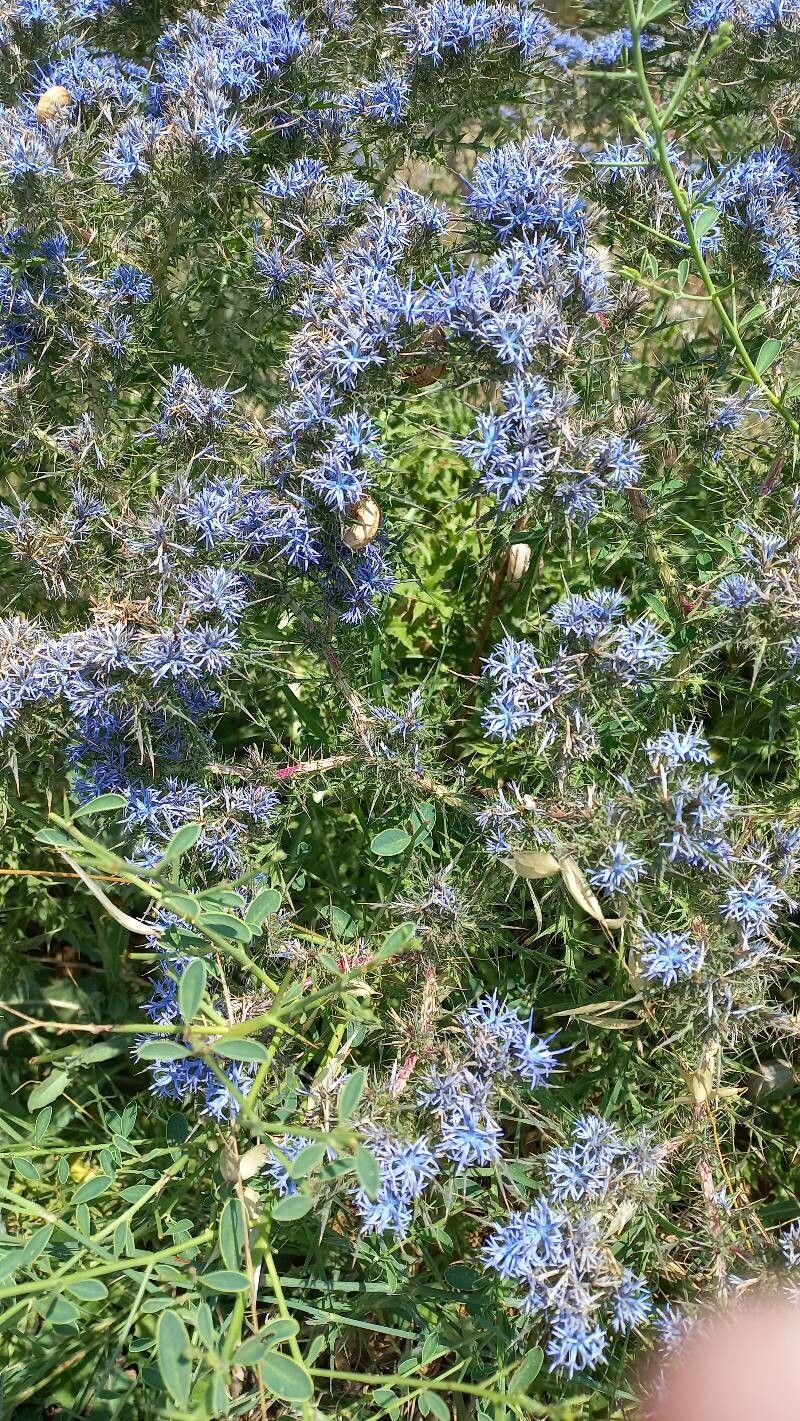
From Seed to Success: Mastering the Art of Cardopatium Corymbosum Propagation
Cardopatium corymbosum, with its striking, thistle-like blooms and silvery foliage, is a coveted addition to any garden. While you might be tempted to simply buy a plant, there’s a certain satisfaction in growing your own from seed or cuttings. But don’t worry, this isn’t just for experienced green thumbs! We’ll guide you through the process of propagating this beautiful plant, ensuring your journey to a vibrant Cardopatium patch is smooth sailing.
From Tiny Seed to Mighty Plant:
- Gathering Seeds: The best time to harvest seeds from your mature Cardopatium corymbosum is when the flower heads turn brown and dry. The seeds are small, so be patient! Carefully collect them by gently rubbing the dried flower heads over a piece of paper or a cloth.
- Sowing Seeds: Start your seeds indoors, ideally a few weeks before the last frost in your region. Use a seed-starting tray filled with a well-draining potting mix. Scatter the seeds over the surface, lightly cover them with soil, and mist them with water. Keep the tray moist and in a warm, bright location.
- Germination: With a bit of luck, your seeds will sprout within 10-21 days. Be patient and avoid overwatering, as this can lead to damping off.
- Transplanting: Once your seedlings develop a few true leaves, gently transplant them into individual pots. You can gradually introduce them to outdoor conditions by hardening them off over a week or two.
- Planting Outdoors: Choose a location with full sun to partial shade and well-draining soil. Plant your seedlings in the garden when all danger of frost has passed, spacing them about 1-2 feet apart.
Growing Your Own Cardopatium with Cuttings:
- Timing is Key: The ideal time for taking cuttings is during the spring or early summer when the plant is actively growing. Choose healthy stems that are non-flowering and at least 6 inches long.
- Preparing the Cuttings: Using a sharp knife or shears, make a clean cut just below a leaf node. Try to remove the lower leaves to prevent them from rotting in the soil.
- Rooting Medium and Potting: Dip the cut ends of your cuttings in a rooting hormone to encourage root growth. Plant the cuttings in a pot filled with a well-draining rooting medium like perlite or vermiculite. Keep the medium consistently moist but not soggy.
- Provide Humidity: Place your cuttings under a humidity dome or cover them with a plastic bag to create a humid micro-environment. This will help to conserve moisture and encourage root development.
- Maintain Sunlight: Place the pot in a bright, indirect location where it will receive plenty of light but not direct sun.
- Transplanting: Once your cuttings have developed a strong root system, typically in a few weeks, you can transplant them into individual pots or directly into your garden. Ensure the soil is well-drained and the location receives adequate sunlight.
Tips for Success:
- Water Wisely: Cardopatium corymbosum prefers well-drained soil and doesn’t tolerate wet feet. Water deeply but infrequently, allowing the soil to dry out slightly between waterings.
- Fertilize Regularly: Feed your plants with a balanced fertilizer during the growing season to promote healthy growth.
- Pest and Disease Control: While Cardopatium corymbosum is generally pest and disease resistant, keep an eye out for common garden pests like aphids and mealybugs.
- Winter Care: In cold climates, Cardopatium corymbosum may die back during the winter months. You can protect the plant by covering it with mulch or a winter blanket.
Enjoy Your Harvest:
By following these propagation tips, you’ll create a thriving Cardopatium corymbosum patch that will add a touch of elegance and charm to your garden. From the delicate seedlings to the vibrant blooms, you’ll experience the joy of watching your plant grow from scratch. Happy propagating!