
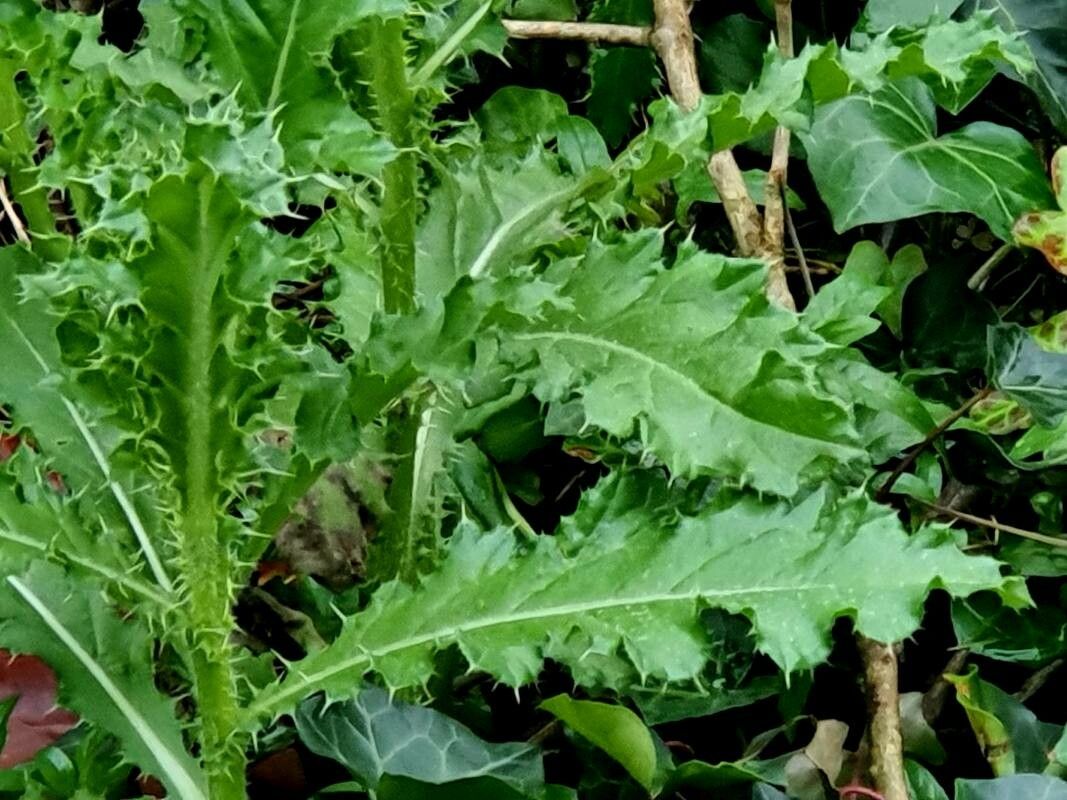
Taming the Thistle: Propagating Carduus crispus for a Touch of Wild Beauty
While its common name, “curly plumeless thistle,” might not inspire sonnets, Carduus crispus possesses a unique charm and hardiness that attracts gardeners seeking something different. This biennial thistle, native to Europe and Asia, boasts intricately sculpted leaves, fuzzy stems, and delicate purple flower heads that add a touch of wildness to any garden. If you’re interested in cultivating this fascinating plant, here’s a guide to propagation:
Understanding the Carduus crispus Life Cycle:
Before we dive into propagation, let’s demystify the term “biennial.” Carduus crispus has a two-year life cycle:
- Year One: The plant focuses on establishing a strong root system and a rosette of spiky leaves.
- Year Two: A tall, flowering stem emerges, adorned with those captivating purple blooms. After flowering and setting seed, the plant completes its life cycle.
Two Paths to Thistle Triumph: Seeds and Divisions
1. The Power of Seed:
Carduus crispus readily reproduces from seed, making this the most common propagation method. Here’s how:
- Collecting Seeds: Wait until the flower heads mature and turn brown and fluffy. Carefully snip them off, placing them in a paper bag to dry further.
- Seed Cleaning (Optional): To separate the seeds from the fluff (pappus), gently rub the dried flower heads between your fingers.
- Sowing Time: You can sow seeds directly outdoors in either spring or fall.
- Spring Sowing: Aim for after the last frost.
- Fall Sowing: Benefits from natural winter stratification (exposure to cold temperatures) for optimal germination in the spring.
- Sowing Depth: Sow seeds shallowly, about ¼ inch deep in loose, well-drained soil.
- Light: Carduus crispus prefers full sun to partial shade.
- Watering: Keep the soil consistently moist but not waterlogged during germination.
2. Propagating by Division (Basal Cuttings):
For gardeners eager to clone their existing plants or get a head start, basal cuttings offer an alternative:
- When to Divide: The best time is in early spring, when new growth is just emerging.
- Taking the Cuttings:
- Carefully dig around the base of the plant you wish to propagate.
- Look for small rosettes forming around the main plant’s base.
- Using a sharp, clean knife or garden shears, sever the rosette from the mother plant, ensuring it has some roots attached.
- Potting Your Divisions: Plant the divisions in well-draining soil, water thoroughly, and place them in a sheltered location until they establish themselves.
Caring for Young Thistles:
Carduus crispus is relatively low-maintenance:
- Watering: Water regularly until the plants are established. Once mature, they are quite drought-tolerant.
- Fertilizing: Not typically necessary in most soils.
- Pests & Diseases: Generally resilient, but monitor for aphids or powdery mildew.
- Deadheading (Optional): To encourage more blooms and prevent excessive self-seeding, deadhead spent flower heads.
A Note on Responsible Thistle Gardening:
While visually stunning, Carduus crispus can be invasive in some regions. It’s crucial to check with local authorities regarding its status in your area. Responsible gardening practices like deadheading and containing its spread within your garden can help prevent unwanted dispersal.
With its intriguing form and resilient nature, Carduus crispus offers a unique touch to any garden. Whether you choose the simplicity of seeds or the satisfaction of basal cuttings, propagating this captivating thistle is a rewarding experience for gardeners of all levels.