
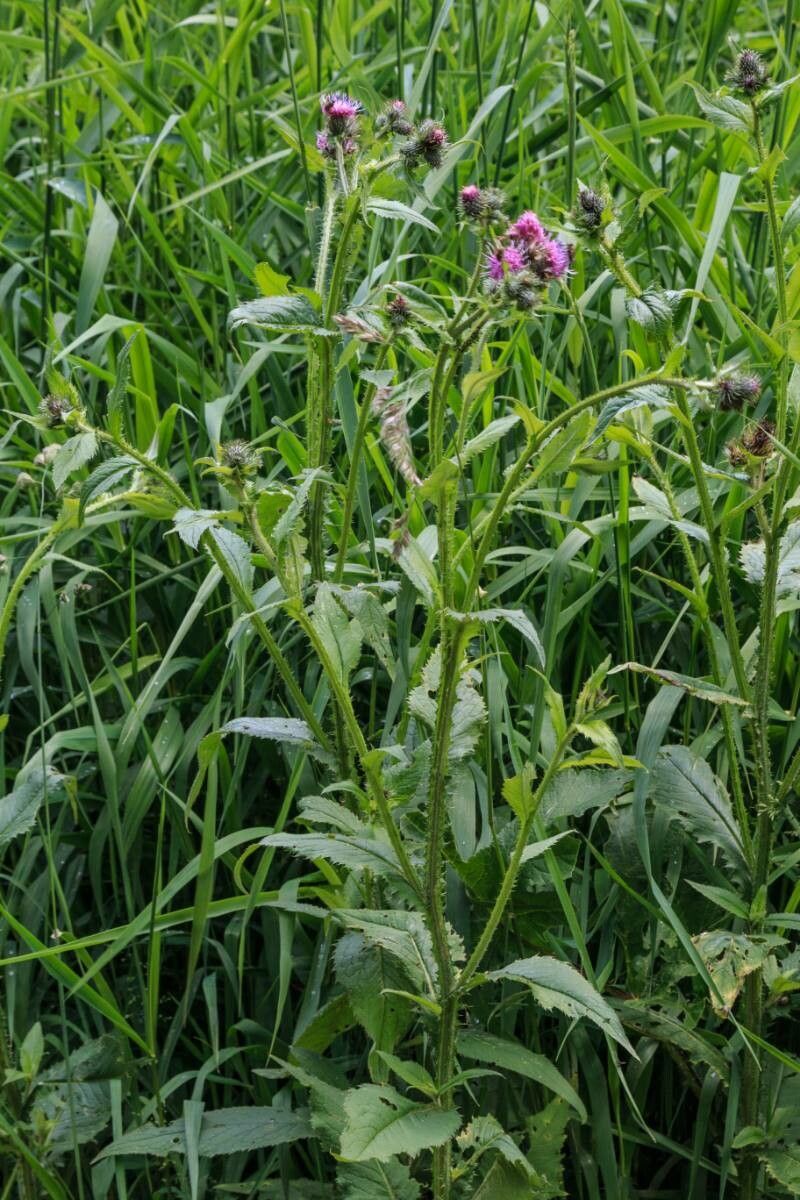
From Seed to Stardom: How to Propagate Carduus personata, the Majestic Thistle
Carduus personata, with its striking, purple blooms and architectural form, is a plant that demands attention in any garden. This stately thistle, native to the Mediterranean region, adds a touch of wild beauty and a welcome dose of drama to landscape design. But how do you get your hands on this captivating plant? The good news is, propagation is relatively straightforward, opening up the opportunity for you to enjoy this charismatic species in your own garden.
Seeds: The Classic Choice for Carduus personata
Carduus personata is a prolific seed producer, making this method the easiest way to propagate this fascinating species. The seed heads, which are initially a vibrant purple, mature to a brown or beige, resembling miniature pincushions.
Here’s how to collect seeds from your existing Carduus personata plant:
- Harvest the seed heads: Once the seed heads have fully dried and turned brown, carefully snip them off the plant.
- Air dry: Place the seed heads in a dry, well-ventilated area for a week or two. This allows the seeds to fully mature and dry.
- Extract the seeds: Gently tap the dried seed heads over a piece of paper or tray to release the seeds.
- Store for future use: Store the seeds in an airtight container in a cool, dark place for up to two years.
Sowing Seeds for Success:
Now that you have your seeds, it’s time to get them into the ground!
- Start indoors: For a head start, sow seeds indoors 6-8 weeks before the last frost in your area. Fill seed trays with a well-draining seed starting mix and lightly press the seeds into the surface. Water gently and cover the tray with a clear plastic dome or cling film to maintain humidity.
- Direct sowing: You can also sow seeds directly outdoors in the spring after the last frost date. Space the seeds about 12 inches apart.
- Germination: Carduus personata seeds typically germinate in 10-14 days, given optimal conditions of warmth and moisture. Keep the soil evenly moist, but avoid overwatering.
- Thinning: Once seedlings develop their first true leaves, thin them out to the strongest one in each location.
Division: A Speedy Propagation Method
While seeds offer a plentiful way to propagate Carduus personata, division is a more direct method suited for established plants.
- Timing is key: The best time to divide Carduus personata is in the early spring or fall, while the plant is dormant.
- Prepare the plant: Dig up the plant carefully with a shovel or garden fork.
- Divide the roots: Use a sharp knife or spade to divide the root system into multiple sections, each containing a portion of foliage and a healthy root ball.
- Replant: Replant the divisions immediately in well-prepared soil.
A Word of Caution: Avoiding Over-Propagation
While Carduus personata is a captivating plant, its spreading nature can become a bit of a challenge. This thistle can self-seed readily, potentially creating a thicket of growth where you might not want it. Therefore, consider monitoring its spread and removing unwanted seedlings.
Enjoy the Majestic Beauty of Carduus personata
Whether you choose to cultivate Carduus personata from seed or division, the rewards are plentiful. This majestic thistle provides a beautiful and unique addition to your garden landscape, offering a natural charm with its dramatic form and eye-catching bloom. With a little care and attention, you can readily propagate this captivating species and enjoy its beauty for years to come.