
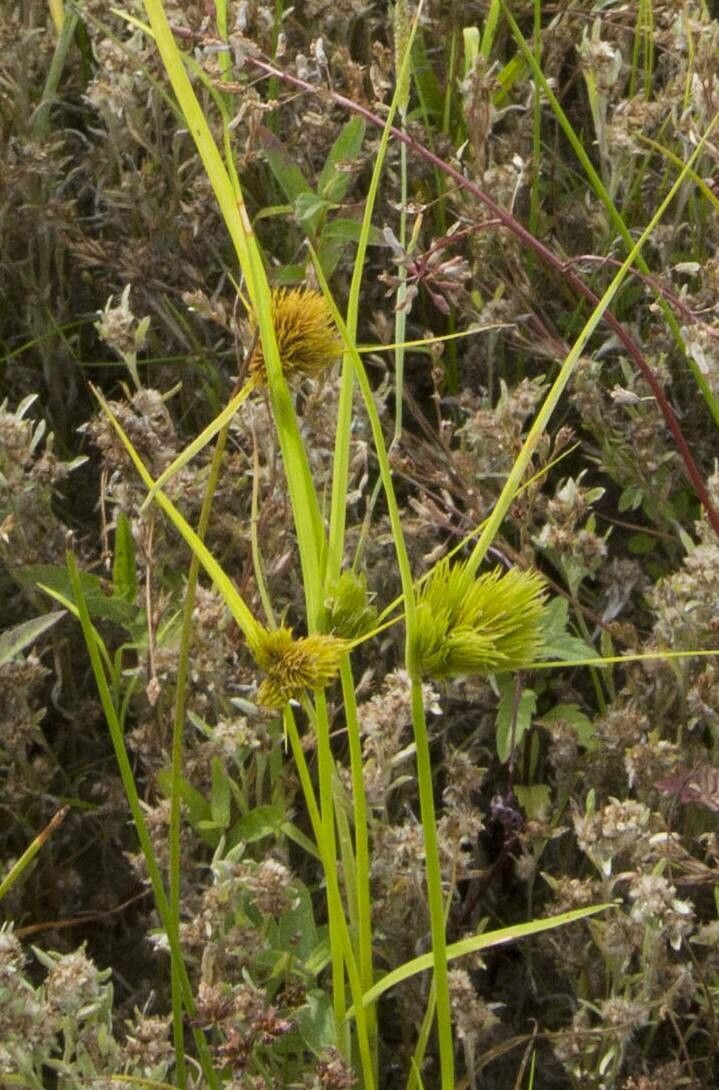
Propagating Carex bohemica: A Gardener’s Guide
Carex bohemica, commonly known as Bohemian sedge, is a clump-forming perennial prized for its graceful foliage and adaptability to various garden settings. Its fine-textured, arching leaves create a soft, textural contrast, making it a popular choice for borders, woodland gardens, and even container plantings. While relatively low-maintenance, propagation can present unique challenges. This guide explores different methods, highlighting their viability and offering practical advice for successful cultivation.
Seed Germination:
Currently, there are no known reliable methods for seed germination propagation of Carex bohemica. While the plant does produce seed, germination rates are reportedly extremely low, making this method impractical for most gardeners. Further research into specific germination requirements might be needed to unlock this potential, but it remains currently unviable.
Cuttings:
Propagating Carex bohemica via cuttings presents significant challenges. Experiences with this method are largely anecdotal and unsuccessful. The plant’s physiology doesn’t readily lend itself to rooting from stem or leaf cuttings. Therefore, this method is not recommended.
Division:
Division is the most reliable and commonly used method for propagating Carex bohemica. This involves carefully separating established clumps into smaller sections, each containing healthy roots and shoots.
Challenges: The optimal time for division is during spring or early autumn when the plant is actively growing but not under intense heat stress. Divisions must contain sufficient root mass to ensure successful establishment. Damaging the roots during separation can hinder growth or lead to plant failure.
Practical Tips: Use a sharp, clean spade or knife to divide the clump, aiming for sections with several healthy shoots and a good root system. Plant the divisions immediately in well-prepared, moist soil, ensuring good soil contact around the roots. Water thoroughly and provide shade during the initial establishment period.
Rewards: Division is efficient, offering a high success rate and a relatively quick method to increase your stock of Carex bohemica. It also maintains the genetic characteristics of the parent plant.
Tissue Culture:
Tissue culture, a more advanced propagation technique, is theoretically possible but not widely practiced for Carex bohemica. This method involves growing plantlets from small pieces of sterile plant tissue in a controlled laboratory environment.
Challenges: Establishing a successful tissue culture protocol requires specialized equipment, sterile conditions, and knowledge of plant hormone application and media preparation. This method is generally expensive and time-consuming and therefore not practical for home gardeners.
Practical Tips: If pursuing this method, seek guidance from a qualified tissue culture laboratory or specialist.
Rewards: Tissue culture offers the potential for large-scale propagation and the elimination of diseases. It also allows for the conservation of rare or endangered genotypes.
Conclusion:
Propagating Carex bohemica presents its share of challenges. While seed germination and cuttings prove unreliable, division provides a straightforward and successful approach for the home gardener. Tissue culture remains a feasible but resource-intensive alternative. The satisfaction of successfully nurturing a new plant from a division, overcoming the inherent difficulties, is deeply rewarding. The unique texture and elegance of Carex bohemica make the effort worthwhile. Don’t be discouraged if your first attempts face setbacks. With patience, attention to detail, and the right technique (division being the most reliable), you can successfully expand your collection of this attractive and resilient sedge.