
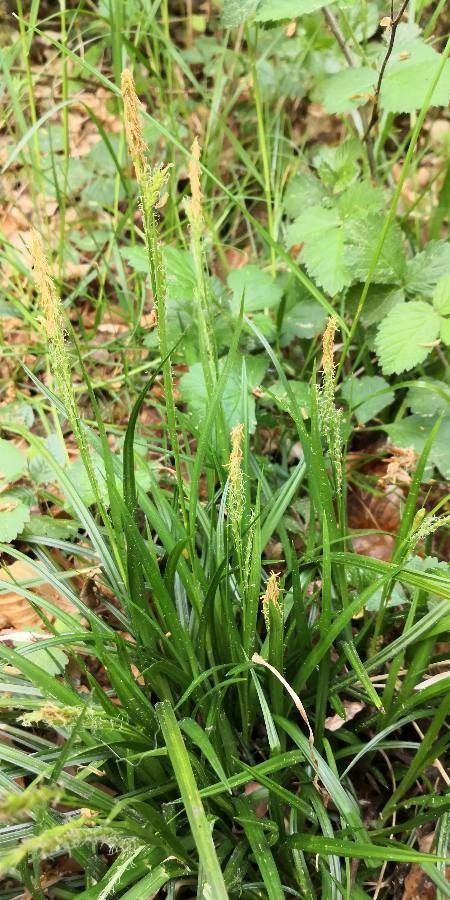
Carex Brachystachys: Spreading the Love (and the Leaves)
Carex brachystachys, commonly known as the “short-spiked sedge,” is a popular choice for gardeners looking for a low-maintenance, drought-tolerant groundcover. But what if you want to expand your patch of this beautiful, cascading foliage? That’s where propagation comes in.
Fortunately, propagating Carex brachystachys is a relatively straightforward process, allowing you to easily create new plants for your garden or to share with fellow plant enthusiasts. There are two main methods: division and seed propagation. Let’s dive into each one.
Division: The Quick and Easy Option
Division is the most common and successful method for propagating Carex brachystachys. Here’s how it works:
- Timing is Key: The ideal time to divide Carex brachystachys is in early spring or fall, when the plant is actively growing but not in full bloom.
- Prepare the Plant: Carefully dig around the plant, taking care not to damage the root system. If your plant is in a pot, simply remove it from the container.
- Divide and Conquer: Gently separate the plant into smaller clumps, making sure each clump has healthy roots and shoots. Aim for divisions with a minimum of three to five shoots.
- Replant and Water: Plant the divisions in new pots or directly into the ground, ensuring they are spaced adequately for optimal growth. Water them thoroughly to help them establish.
Seed Propagation: Patience is Key
While division is the preferred method, Carex brachystachys can also be propagated from seed. This process requires a bit more time and patience:
- Collect the Seeds: Gather mature seed heads from your existing plants in late summer or early fall. The seed heads will be brown and dry.
- Prepare the Seeds: Carefully remove the seeds from the seed heads and allow them to dry for a few days. You can then sow them directly into seed trays or pots filled with a well-draining seed-starting mix.
- Sowing and Germination: Keep the soil consistently moist but avoid overwatering. Cover the seeds lightly with soil and place the trays in a bright, indirect light location. Germination typically takes several weeks.
- Transplanting: Once the seedlings have a few true leaves, carefully transplant them into individual pots or directly into your garden bed.
Tips for Successful Propagation
• Choose healthy plants: Start with healthy, vigorous plants for optimal results.
• Use sharp tools: Ensure your division tools are clean and sharp to minimize damage to the plant.
• Provide adequate moisture: Water your divisions and seedlings regularly, especially during the establishment phase.
• Protect from pests and diseases: Keep an eye out for pests and diseases and take preventative measures if necessary.
Whether you choose division or seed propagation, propagating Carex brachystachys is a rewarding experience. You’ll soon be enjoying a lush, vibrant patch of this beautiful groundcover, sharing it with friends or simply enjoying the satisfaction of nurturing new life. Just remember to give your new plants time to establish and flourish, and watch as they add beauty and texture to your garden for years to come.