
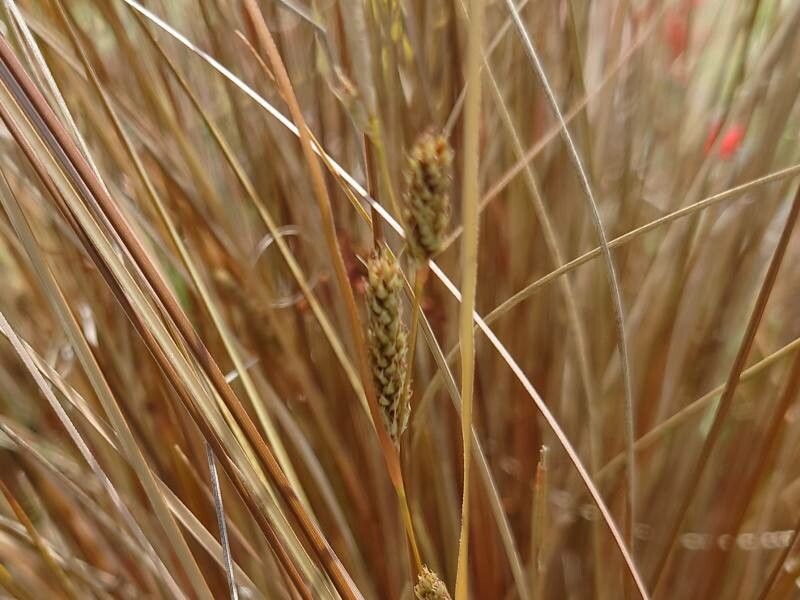
Propagating Carex buchananii: A Challenge Worth Embracing
Carex buchananii, also known as the New Zealand sedge, is a prized ornamental grass admired for its striking architectural form and attractive foliage. Its clumping habit, elegant arching leaves, and tolerance of various conditions have earned it a prominent place in gardens worldwide, particularly those seeking a low-maintenance, textural element. However, its propagation isn’t always straightforward, offering a unique challenge for even seasoned gardeners.
Seed Germination:
Currently, there are no known reliable methods for seed germination propagation of Carex buchananii. While the plant does produce seed, germination rates are extremely low, if any exist at all, making this method impractical for propagation. Further research into specific germination requirements might yield results in the future, but currently, it’s not a viable option.
Cuttings:
Propagating Carex buchananii from cuttings presents difficulties. Experiments with stem cuttings have shown limited success. The low success rate likely stems from the sedge’s relatively low regenerative capacity from stem tissues. While some anecdotal evidence suggests possible success with basal cuttings (taken from the base of the plant), more rigorous research is needed to establish consistently reliable techniques. Challenges include susceptibility to rot, the need for specific humidity and temperature conditions, and slow rooting times. Rewards, if successful, would be the production of genetically identical offspring, useful for maintaining desirable cultivars.
Division:
Division is the most reliable and commonly used method for propagating Carex buchananii. This involves carefully separating established clumps into smaller sections, each containing roots and shoots. The challenges include the potential for damaging the root system during division, which can lead to plant loss, and the limited number of propagules obtained from each parent plant compared to seed or tissue culture. However, division offers the reward of relatively quick establishment, high success rates, and the preservation of the parent plant’s genetic characteristics. The best time to divide is typically in spring or early autumn when the plant is actively growing but not under stressed conditions. Clean, sharp tools are essential to minimize damage.
Tissue Culture:
Tissue culture offers potential for large-scale propagation of Carex buchananii, though it’s a complex and specialized technique beyond the scope of the average home gardener. It requires a sterile environment, specific nutrient media, and specialist knowledge. The challenges include setting up and maintaining a sterile laboratory environment, mastering the intricacies of tissue culture protocols for this specific species, and the significant initial investment in equipment and materials. However, successful tissue culture provides the reward of rapidly producing large numbers of genetically identical plants, opening possibilities for mass production and conservation efforts.
Conclusion:
Propagating Carex buchananii presents various challenges depending on the chosen method. Seed germination is currently unfeasible, cuttings require considerable skill and patience with low success rates, while tissue culture, while offering high possibility, demands significant expertise and resources. Division remains the most accessible and reliable technique for the home gardener.
Despite the hurdles, the rewarding feeling of successfully propagating this elegant plant makes the effort worthwhile. The unique satisfaction comes from overcoming these obstacles and nurturing these carefully propagated plants into mature specimens, showcasing the fruits of your labor in the garden. For aspiring propagators, starting with division is the recommended approach. While it takes patience and attention to detail, it’s both manageable and highly rewarding.