
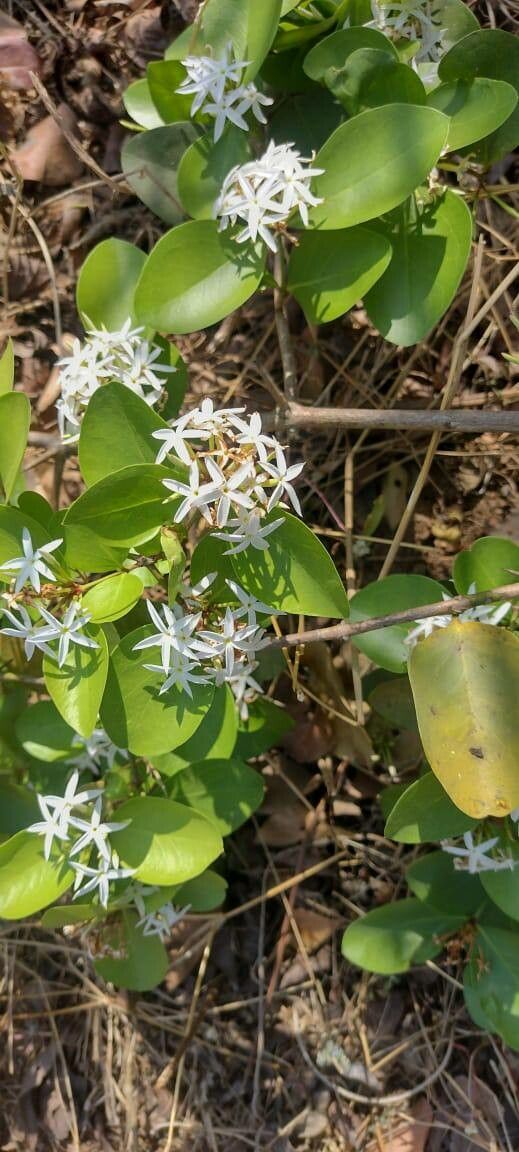
From One to Many: Propagating Your Carissa Spinarum with Ease
The Carissa spinarum, also known as the Natal plum or num-num, is a beautiful and versatile plant. Its glossy, evergreen leaves, fragrant flowers, and delicious, plum-like fruit make it a favorite among gardeners. But what if you only have one plant, and you want to fill your garden with more of this delicious delight? The answer lies in propagation.
Propagation, the process of creating new plants from existing ones, is surprisingly simple for the Carissa spinarum. This plant readily lends itself to both seed propagation and cutting propagation, offering a variety of options for budding plant enthusiasts.
1. Seed Propagation: A Natural Journey
Carissa spinarum seeds are found within the fleshy fruits. Here’s how to propagate from seed:
- Harvest Seeds: Once the fruit ripens and turns soft, extract the seeds from the pulp.
- Clean and Prepare: Rinse the seeds to remove any lingering fruit pulp, and allow them to dry completely.
- Sowing: Plant the seeds in a well-draining seed-starting mix, about 1/4 inch deep. You can use individual pots or a seed tray.
- Moistening: Water the seeds lightly, ensuring the soil remains moist but not soggy.
- Light and Temperature: Provide indirect sunlight and a warm environment (around 70-75°F) for optimal germination.
- Patience is Key: Carissa spinarum seeds can take anywhere from a few weeks to a few months to sprout.
2. Cutting Propagation: A Faster Route
If you want to see results quicker, propagating from cuttings is a more efficient method. Here’s how:
- Choose Your Cuttings: Select healthy stems with new growth, about 4-6 inches long. Ensure the cutting has at least a few nodes (bumps where leaves emerge).
- Prepare the Cuttings: Cut the stem just below a node at an angle. Remove the leaves from the bottom 1-2 inches of the stem.
- Rooting Hormone (Optional): Dip the cut end in rooting hormone powder, which can aid in root development.
- Planting the Cutting: Insert the prepared stem into a well-draining potting mix, ensuring the nodes are buried just below the soil surface.
- Humidity and Light: Cover the cutting with a clear plastic bag to create a humid environment. Place it in a bright, indirect light location.
- Patience (again): Be patient! Carissa spinarum cuttings can take a few weeks to develop roots.
Tips for Success:
- Consistent Moisture: Maintaining consistent soil moisture is critical for seed germination and cutting root development.
- Good Drainage: Carissa spinarum prefers well-drained soil. Avoid overwatering, as this can lead to root rot.
- Fertilization: Once the seedlings or cuttings have established roots, you can start fertilizing them with a balanced liquid fertilizer.
From Seed to Garden:
Once your propagated plants have a good root system, you can transplant them into their permanent locations in the garden or into larger pots. Give them plenty of sunlight and space for healthy growth.
Enjoying Your New Plants:
The reward for your patience and effort will be a flourishing Carissa spinarum that will bring joy to your garden for years to come. You can enjoy its vibrant blooms, delicious fruit, and even the attractive and protective thorns.
Propagation is an exciting journey that opens up a world of possibilities for gardeners. Whether you choose the traditional method of seed propagation or the quicker route of cuttings, growing new Carissa spinarum plants from your existing stock is a satisfying and rewarding experience. So, grab your tools and get ready to spread the beauty and fragrance of this delightful plant!