
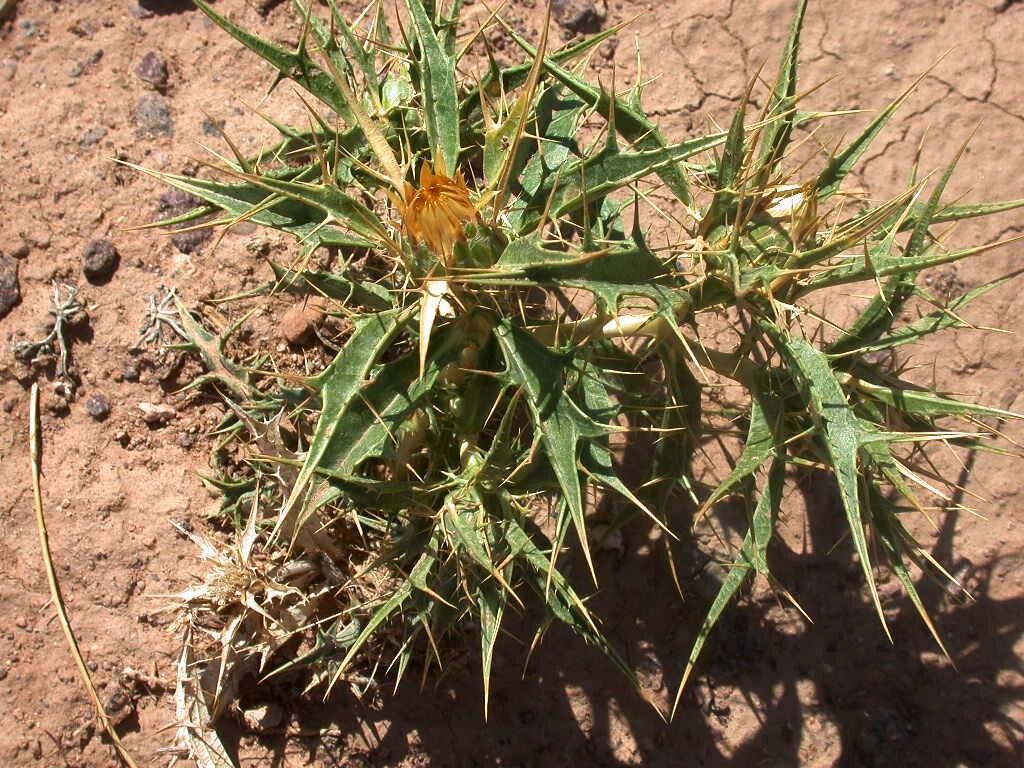
Unveiling the Secrets of Propagation: How to Grow More Carlina Brachylepis
The Carlina brachylepis, with its striking silvery-white, spiky flowers and architectural foliage, is a captivating addition to any garden. But did you know you can easily expand your collection of these captivating plants? Propagation is a rewarding process that allows you to create new plants from existing ones, ensuring a long-lasting display of these captivating beauties.
The Power of Seeds:
One of the most common methods for propagating Carlina brachylepis is through seeds. These plants are typically biennial, meaning they complete their life cycle in two years. After blooming, the plant produces seeds which you can collect for propagation.
- Collection: Gather the seeds from the mature seed heads after they have dried and turned brown. Store them in a cool, dry place until you’re ready to sow them.
- Sowing: You can sow Carlina brachylepis seeds directly into the garden in autumn for spring emergence. Alternatively, sow them indoors in pots about 6-8 weeks before the last frost date in your area. Use a well-draining seed starting mix and cover the seeds lightly with soil.
- Germination: Expect germination to occur within 2-4 weeks, provided the seeds are kept moist.
- Transplanting: Once the seedlings have developed a few true leaves, transplant them to a sunny spot in your garden with well-drained soil.
Division for Clonal Multiplication:
Another method for propagating Carlina brachylepis is division. This technique involves separating established plants into smaller divisions, each with its own roots and shoots.
- Timing: The best time for division is in the spring or early fall when the plants are actively growing.
- Process: Gently dig up the plant and carefully separate the root ball into several divisions, ensuring each division has healthy roots and shoots.
- Planting: Plant the divisions in a well-prepared bed with well-drained soil, spacing them according to the plant’s mature size.
Tips for Success:
- Soil Selection: Carlina brachylepis prefers well-drained soil. Amend heavy clay soil with compost or sand to improve drainage.
- Sunlight: Provide a sunny location for your Carlina brachylepis. It thrives in full sun, where it can bask in at least 6 hours of direct sunlight daily.
- Watering: Water regularly during their first year to establish deep roots. Once established, they are relatively drought-tolerant, but will benefit from occasional watering during dry spells.
Beyond the Basics:
- Pest and Disease Control: Carlina brachylepis is generally disease and pest-resistant. However, they can be susceptible to fungal infections if kept in overly moist conditions. Avoid overwatering and ensure good air circulation around the plants.
- Deadheading: Deadheading spent flower stalks will encourage the plant to produce more blooms.
- Winter Care: Carlina brachylepis is hardy in zones 4-8, but in colder climates, it’s best to cover them for winter protection to prevent frost damage.
Enjoy Your Harvest:
Propagating Carlina brachylepis is a rewarding process, allowing you to share these beautiful plants with others or expand your own collection. With a little effort, you can enjoy the unique beauty of Carlina brachylepis for years to come.