
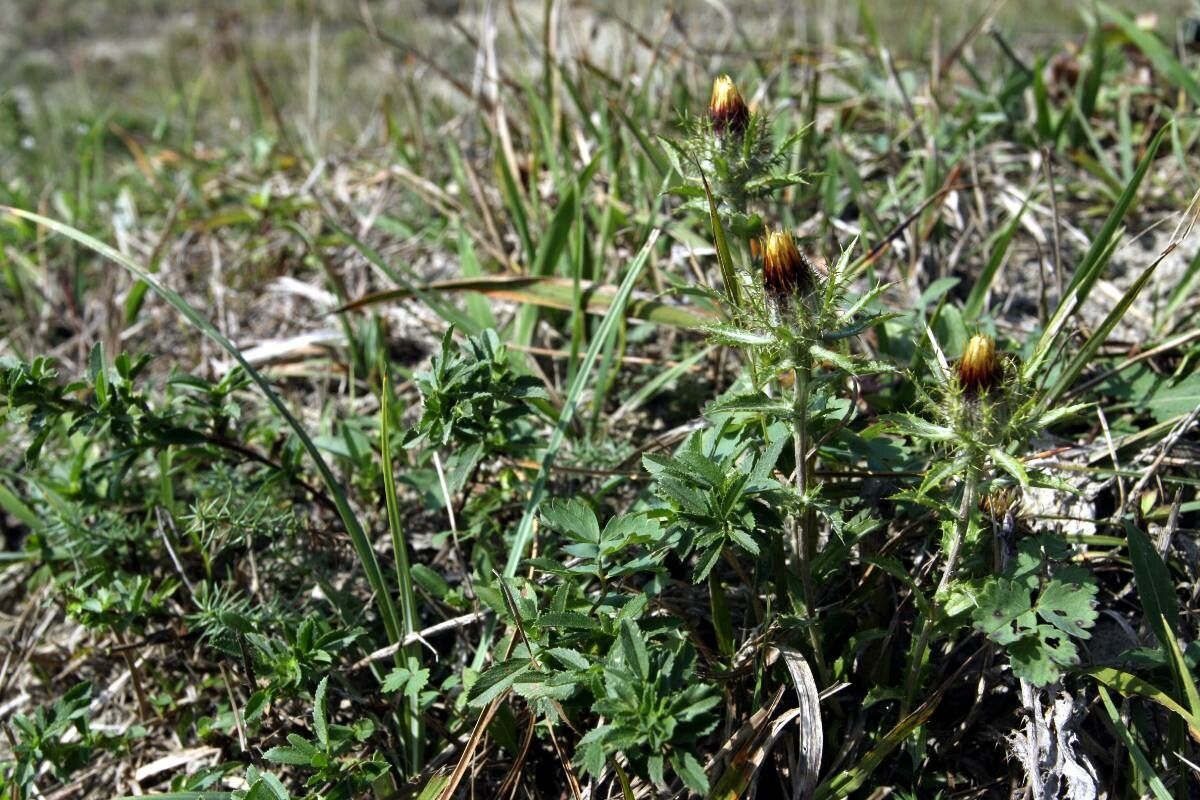
Taming the Thistle: Propagating the Carline Thistle (Carlina vulgaris)
The Carline Thistle, with its prickly charm and sun-loving disposition, adds a touch of wild beauty to any garden. But don’t let its rugged looks fool you – this intriguing plant, also known as Carlina vulgaris, can be surprisingly easy to propagate, allowing you to readily multiply your stock and share its unique beauty.
Two Paths to Propagation:
While Carline Thistle might seem intimidating with its spiny armor, it’s surprisingly adaptable to different propagation methods. You can either choose the patience of seed propagation or the faster rewards of root cuttings:
1. Seed Propagation: A Dance with Patience
- Timing is Everything: Collect seeds from mature flower heads in late summer or autumn. Look for the telltale fluffy parachutes attached to the seeds, signaling their readiness.
- Sowing the Seeds: Plant the seeds directly outdoors in fall, or start them indoors in late winter. Choose a well-drained seed starting mix and barely cover the seeds with soil.
- The Waiting Game: Germination can take anywhere from a few weeks to a few months. Be patient, and keep the soil consistently moist but not waterlogged.
- Transplanting to Freedom: Once the seedlings are large enough to handle, harden them off gradually before transplanting them to their final sunny location in your garden.
2. Root Cuttings: A Shortcut to Success
- Time for Surgery: In late autumn or early spring, carefully dig up a mature Carline Thistle plant. Choose healthy roots and cut them into sections about 2-3 inches long.
- Creating Clones: Dip the cut ends of the root sections in rooting hormone powder to encourage faster growth.
- Planting the Clones: Plant the root cuttings horizontally in a tray filled with a well-draining potting mix, burying them about an inch deep.
- Nurturing New Life: Keep the potting mix consistently moist and provide bright, indirect light. Within a few weeks, you should see new shoots emerging.
- Ready for the Outdoors: Once the new plants have developed a robust root system and are large enough to handle, harden them off gradually before transplanting them to their permanent sunny homes in your garden.
Tips for Success:
- Sun-Kissed Locations: Carline Thistle thrives in sunny locations. Choose a spot in your garden that receives at least 6 hours of direct sunlight each day.
- Well-Drained Soil is Key: Carline Thistle prefers well-drained soil. Avoid planting it in areas where water tends to pool.
- Hands-Off Approach to Watering: Once established, Carline Thistle is relatively drought tolerant. Water deeply but infrequently, allowing the soil to dry out slightly between waterings.
The Rewards of Your Labor:
With a little patience and the right approach, propagating Carline Thistle can be a rewarding experience. Soon, you’ll be able to enjoy an abundance of these spiny beauties, adding unique texture and architectural interest to your garden while providing vital habitat and forage for pollinators. So go ahead, tame the thistle and watch it flourish!