
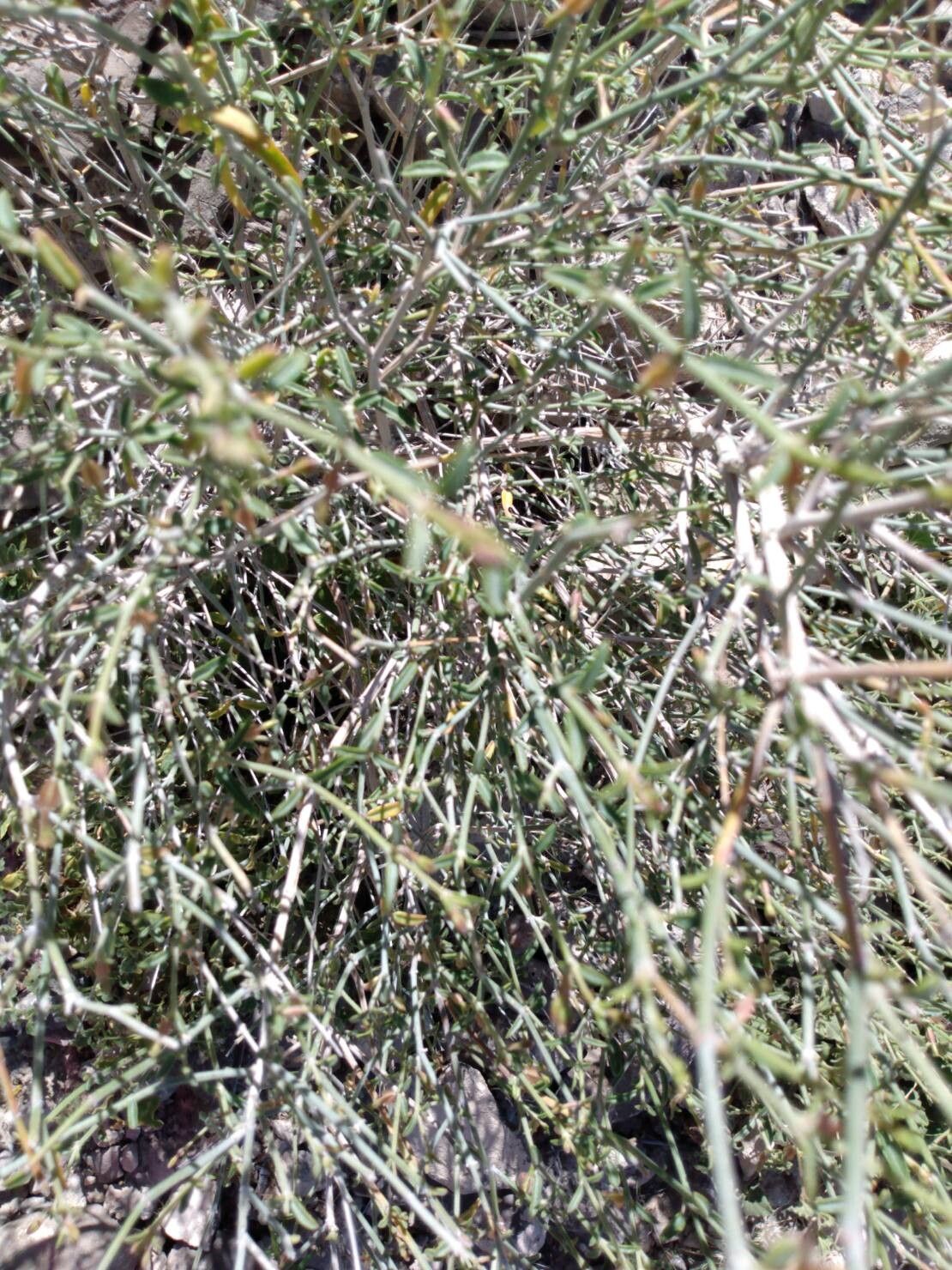
Propagating Arizona Carlowrightia ( Carlowrightia arizonica)
Introduction:
Carlowrightia arizonica, commonly known as Arizona Carlowrightia, is a captivating native shrub of the Southwestern United States. Its delicate, bright green foliage and vibrant, small purple flowers make it a prized addition to xeriscape gardens and arid landscape plantings. Its drought tolerance and unique appearance have made it increasingly popular among home gardeners seeking low-maintenance, native flora. However, propagating this attractive shrub presents some unique challenges, demanding a thorough understanding of its specific needs. This article explores various propagation techniques, weighing their viability and effectiveness.
Seed Germination:
Currently, there are no known reliable methods for seed germination propagation of Carlowrightia arizonica. While seeds may be produced, their germination rate is exceptionally low, and further research is needed to identify optimal conditions for successful germination. This makes other propagation methods essential for cultivating this plant.
Cuttings:
Cuttings offer a more reliable method for propagating Carlowrightia arizonica.
Challenges: The success rate can vary depending on the timing and technique. Using semi-hardwood cuttings taken in late summer or early fall generally yields the best results. Proper sanitation to prevent rot is crucial.
Practical Tips: Take cuttings approximately 4-6 inches long, removing lower leaves to prevent rotting. Dip the cut ends in rooting hormone powder before planting them in a well-draining propagation mix (e.g., perlite and vermiculite). Maintain consistently moist (but not soggy) conditions and high humidity, perhaps using a humidity dome or misting regularly. Bottom heat can significantly improve rooting success.
- Rewards: Cuttings provide a relatively quick way to produce new plants genetically identical to the parent plant, preserving desirable traits. This is particularly useful for propagating exceptional specimens.
Division:
Division is not a feasible propagation method for Carlowrightia arizonica. This shrub does not readily produce offshoots or suckers that can easily be separated and replanted.
Tissue Culture:
Tissue culture offers a potential avenue for large-scale propagation of Carlowrightia arizonica, although it requires specialized equipment and expertise.
Challenges: Establishing sterile culture conditions and finding the correct nutrient media are critical for successful tissue culture. Optimizing hormone levels to stimulate shoot proliferation and root induction can require significant experimentation.
Practical Tips: Successful tissue culture requires a clean lab environment and sterile techniques. Specialized media containing plant hormones (auxins and cytokinins) are necessary. Maintaining sterile conditions throughout the process is paramount to prevent contamination.
- Rewards: Tissue culture allows for rapid and large-scale propagation. It also provides a method for producing disease-free plants and maintaining genetic uniformity.
Conclusion:
Propagating Carlowrightia arizonica presents unique challenges, with seed germination proving unreliable. Cuttings offer a comparatively accessible and successful approach for home gardeners, while tissue culture holds the potential for more large-scale propagation, although requiring specialist knowledge and resources. The rewards of successfully propagating this beautiful native shrub are substantial, offering the satisfaction of nurturing a plant that’s both visually stunning and ecologically beneficial. For the aspiring propagator, patience, attention to detail, and a willingness to experiment are key to overcoming the challenges and experiencing the deep fulfillment that comes with cultivating this remarkable plant. Remember meticulous sanitation and consistent monitoring are crucial for success irrespective of the chosen method.