
Propagating Carphephorus pseudoliatris: Taming the False Liatris
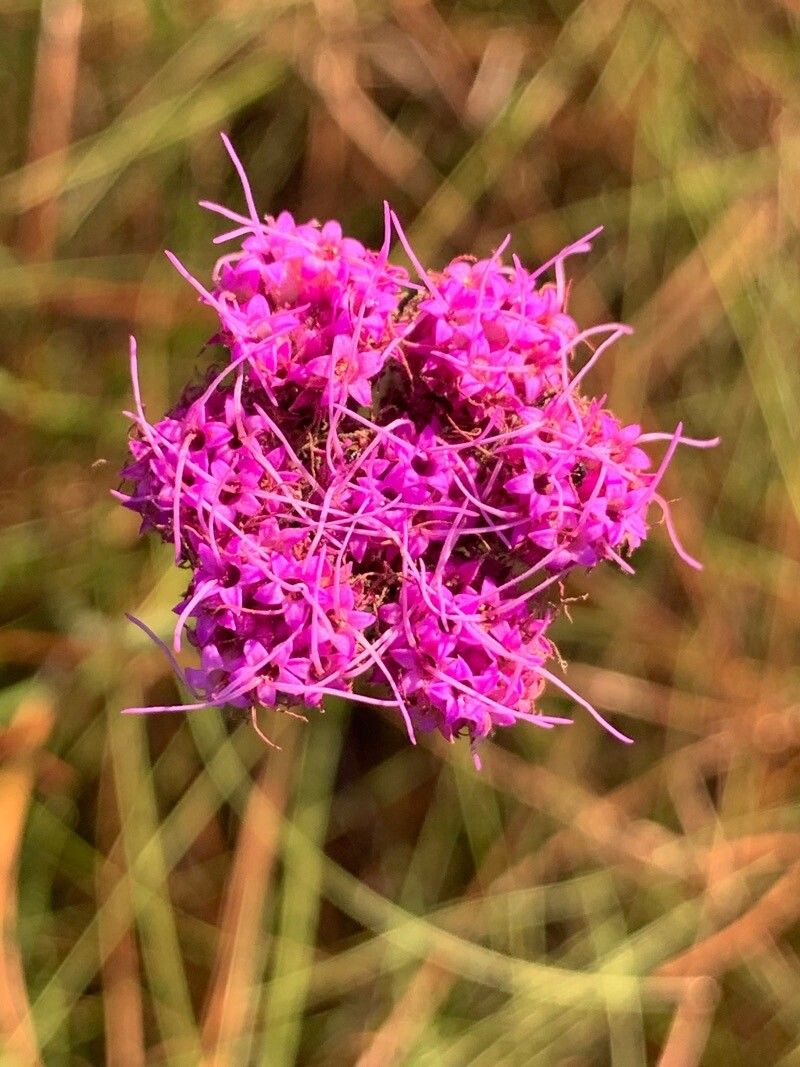
Carphephorus pseudoliatris, commonly known as false Liatris, is a striking North American native perennial prized for its tall, elegant spires of lavender-pink flowers and its adaptability to various soil types. Its late-summer bloom adds a unique texture and color to wildflower gardens and meadow plantings, making it increasingly popular among gardeners seeking low-maintenance, pollinator-friendly options. However, its propagation presents some interesting challenges, making successful cultivation a rewarding experience.
Seed Germination:
Currently, there are no known reliable methods for seed germination propagation of Carphephorus pseudoliatris. While seeds may be produced, their germination rate is exceptionally low, and successful germination hasn’t been consistently documented in horticultural settings. Further research into specific stratification requirements or other pre-treatment techniques is needed to make seed propagation a viable option.
Cuttings:
Propagating Carphephorus pseudoliatris via cuttings offers a more promising approach than seed germination. However, it still presents challenges.
Challenges: Success rates depend heavily on timing and technique. The ideal time for taking cuttings is likely in spring or early summer, utilizing semi-hardwood cuttings from the current year’s growth. The plant’s tendency towards woody stems may complicate rooting.
Practical Tips: Use a sharp, clean blade to take cuttings approximately 4-6 inches long, removing lower leaves to prevent rot. Dip the cuttings in a rooting hormone powder before planting them in a well-draining propagation mix (e.g., perlite and peat moss). Maintain high humidity using a humidity dome or plastic bag, and position the cuttings in a bright, shaded area. Consistent moisture is crucial; keep the mix evenly moist, but not waterlogged.
Rewards: Cuttings offer a reliable method to produce genetically identical clones of a desirable mother plant, preserving its unique characteristics. Propagation via cuttings is less time-consuming than other methods, albeit requiring patience.
Division:
Division is a relatively straightforward and successful method for propagating Carphephorus pseudoliatris.
Challenges: The most significant challenge is timing. The ideal time for division is during the spring or early fall when the plant is dormant or actively growing. Divisions should be large enough to contain sufficient root mass for successful re-establishment.
Practical Tips: Carefully dig up the mature plant, gently separating it into smaller sections, each with its own well-established root system and several actively growing stems. Replant each division in its new location, ensuring adequate soil moisture and providing some shade until the plant re-establishes itself.
Rewards: Division is efficient and relatively easy, allowing for rapid increase of the plant population. It’s a less technically demanding method than cuttings or tissue culture.
Tissue Culture:
Tissue culture propagation of Carphephorus pseudoliatris is not commonly practiced.
Challenges: This method requires specialized equipment, sterile conditions, and expertise in plant tissue culture techniques. Establishing a reliable protocol for Carphephorus pseudoliatris would require extensive research and optimization.
Practical Tips: No readily available protocols are publicly known. Such an endeavor would typically involve sterilization, explant selection from actively growing shoot tips, and the use of plant growth regulators in a sterile culture medium.
Rewards: Tissue culture would offer the potential for mass propagation and disease-free plants. However, the high initial investment and specialized knowledge required make it impractical for most home gardeners.
Conclusion:
Propagating Carphephorus pseudoliatris presents a range of challenges, spanning from the low seed germination rate to the technical nature of tissue culture. Division offers the most accessible and reliable technique for the average gardener, while cuttings provide a practical alternative. While the initial steps might appear daunting, the beauty and unique character of this plant make the effort worthwhile. The satisfaction of successfully nurturing a small cutting into a vibrant, flowering specimen, or splitting a clump into many, truly embodies the rewarding nature of horticultural pursuits. Aspiring propagators are encouraged to experiment, embrace the learning process, and appreciate the patient art of coaxing these lovely plants to thrive.