
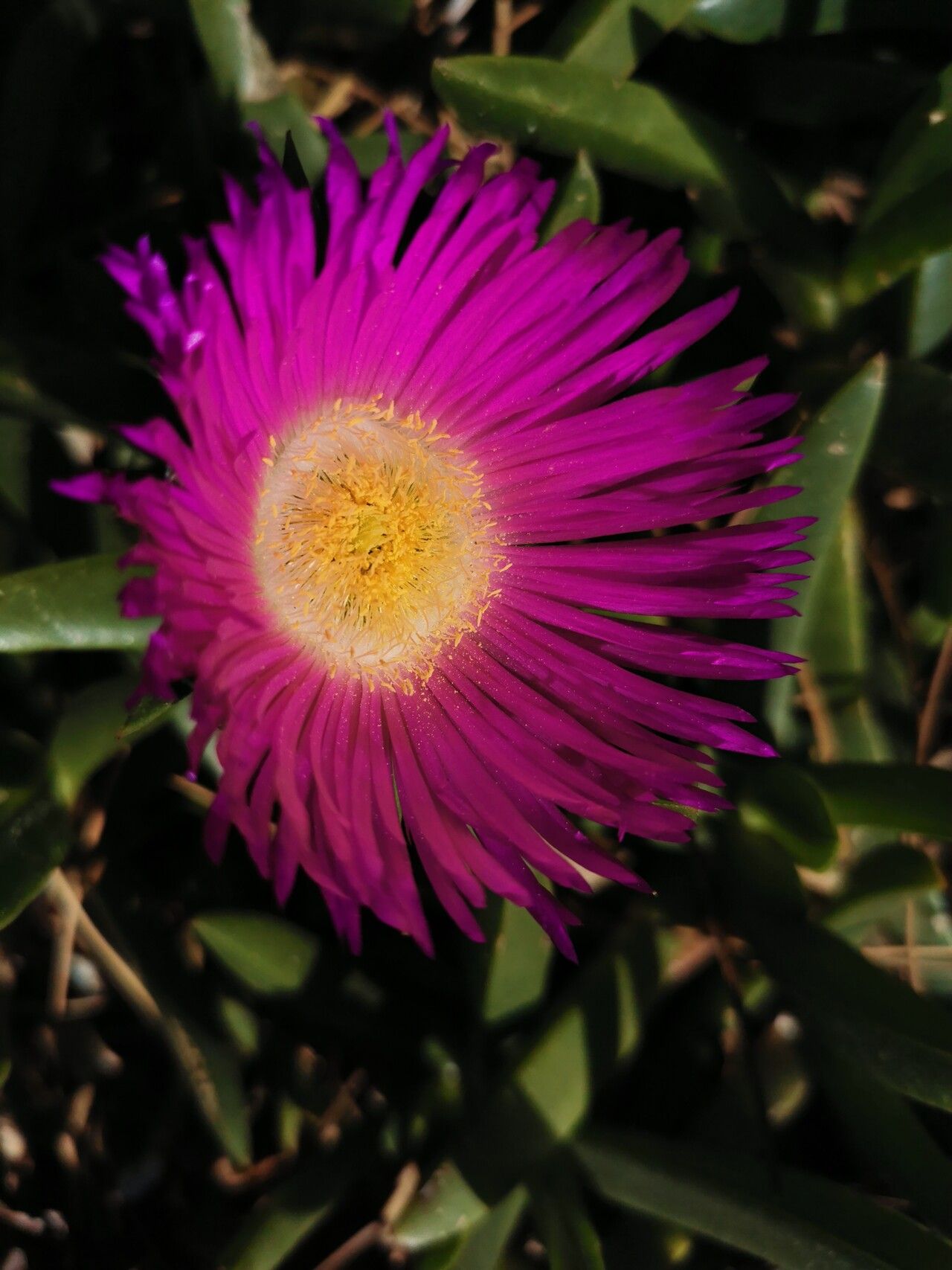
From One to Many: How to Propagate Carpobrotus glaucescens (the “Ice Plant”)
Carpobrotus glaucescens, commonly known as the “Ice Plant” due to its glistening, succulent leaves, is a popular choice for gardeners seeking a low-maintenance, drought-tolerant groundcover. But what if you want to share this vibrant plant with others, or simply expand your own garden’s green carpet? The answer lies in propagation – the art of creating new plants from existing ones.
This blog post will guide you through the simple and effective methods of propagating Carpobrotus glaucescens, enabling you to enjoy the beauty of this hardy plant in new locations.
1. The Power of Cuttings:
The most common method of propagating Carpobrotus glaucescens is through stem cuttings. This method is remarkably simple and can be done throughout the growing season:
- Select your cuttings: Choose healthy, mature stems that are at least 6 inches long. Aim for stems with good growth and no signs of disease or pests.
- Prepare your cuttings: Carefully remove a few leaves from the bottom inch or two of the stem. This exposed area will be the root zone.
- Planting your cuttings: Pot the cuttings in a well-draining potting mix, ensuring the root zone is buried within the soil. Keep the soil slightly moist but not waterlogged.
- Induce rooting: Cover the pot with a clear plastic dome or bag to create a humid environment, which encourages root development. Place the cuttings in a bright, indirect location and monitor moisture levels regularly.
- Patience pays off: Depending on the time of year and the environment, roots will typically emerge within a few weeks. Once established, you can gradually acclimate the cuttings to outdoor conditions.
2. From Seeds to Sprouts:
While cuttings are the go-to method, you can also propagate Carpobrotus glaucescens from seeds. This method requires a little more patience, as seeds have a longer germination period.
- Collect your seeds: Once the plant’s fruit ripens, you’ll find small, black seeds within. Collect these and allow them to dry completely before planting.
- Prepare for planting: Sow the seeds in a seed tray filled with a well-draining seed-starting mix. Lightly cover the seeds with soil and keep the soil consistently moist.
- Germination time: Germination can take several weeks, so maintaining moisture and temperature is crucial. Place the seed tray in a warm, sunny location.
- Transplanting: Once the seedlings have developed a few true leaves, you can carefully transplant them into individual pots or directly into the garden.
Important Considerations:
- Timing is key: Both cutting and seed propagation are best carried out during the warmer months when temperatures are ideal for growth.
- Growth Environment: Carpobrotus glaucescens thrives in well-drained soil and a sunny location. Ensure your chosen planting spot meets these requirements.
- Invasive potential: While beautiful, Carpobrotus glaucescens can become invasive in some regions. Before planting, consider its potential impact on the local ecosystem and whether it might outcompete native species.
By following these steps, you can easily propagate Carpobrotus glaucescens and enjoy its vibrant beauty in new locations. Remember to be mindful of its potential invasiveness, and always choose sustainable practices for a thriving garden and environment. With a bit of care and the right techniques, you’ll soon be sharing the joy of the “Ice Plant” with friends and family!