
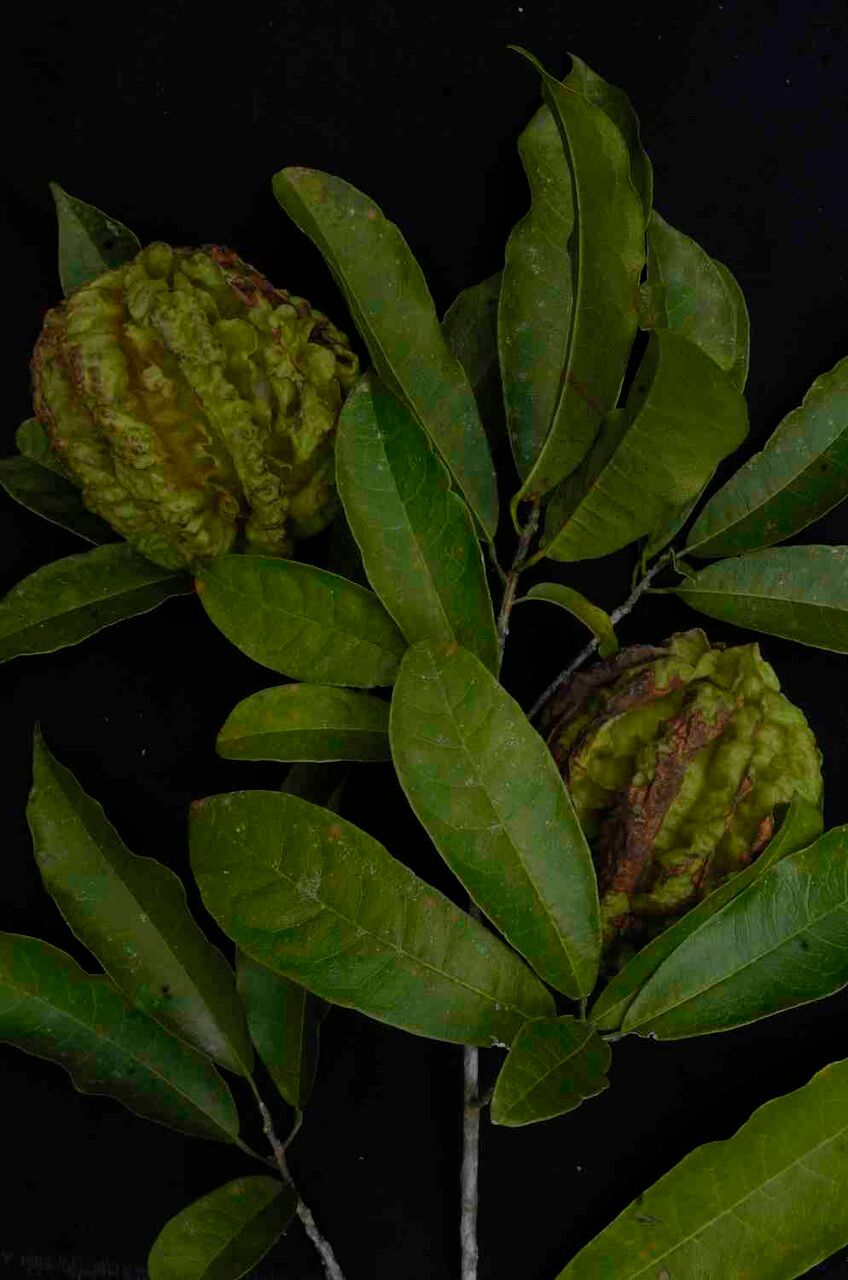
Cracking the Code: Propagating the Elusive Carpotroche brasiliensis
The Carpotroche brasiliensis, with its tongue-twisting name and significant medicinal properties, remains a hidden gem in the plant world. While its bark holds promise in fighting parasites and treating various ailments, cultivating this intriguing tree can be a rewarding challenge. If you’re up for it, let’s delve into the captivating world of Carpotroche brasiliensis propagation.
Understanding the Plant:
Native to the rainforests of South America, particularly Brazil, the Carpotroche brasiliensis is a slow-growing evergreen tree. Recognizing it in the wild involves spotting its leathery leaves, creamy-white flowers, and distinctive star-shaped fruits. It thrives in humid, tropical environments, making replicating these conditions crucial for successful propagation.
While information on propagating Carpotroche brasiliensis remains relatively scarce, two primary methods hold potential:
1. Seeds:
- Source: Obtaining viable seeds is the first hurdle. Connecting with botanical gardens, research institutions, or specialist nurseries specializing in rare or medicinal plants might be fruitful.
- Pre-treatment: Soaking the seeds in warm water for 24-48 hours can help soften the outer layer and encourage germination.
- Sowing: Use a well-draining seed-starting mix and maintain consistent moisture and warmth (around 75-85°F). Germination can be erratic and lengthy, potentially taking several weeks or even months.
- Patience: Be prepared for a waiting game! Seedlings are delicate and require consistent care for optimal growth.
2. Cuttings:
- Timing: Early morning during the active growing season offers the best chance of success.
- Selection: Choose healthy, semi-hardwood cuttings from the current year’s growth.
- Preparation: Remove lower leaves and trim the cutting to about 4-6 inches. Dip the cut end in rooting hormone to encourage root development.
- Planting: Insert the treated cutting into a well-draining potting mix (a mixture of peat moss, perlite, and vermiculite works well).
- Environment: Maintain high humidity by covering the cutting with a plastic bag or placing it in a humidity dome.
Tips for Success:
- Patience: Propagation, particularly from seeds, requires patience and persistence. Don’t be disheartened by initial setbacks.
- Research: Limited information is available, so continuous research and experimentation are key.
- Environment: Replicating the warm, humid environment of its native habitat is crucial for success. Consider using a heat mat and humidity dome for optimal results.
- Observation: Regularly monitor your seedlings or cuttings for signs of growth, pests, or diseases.
The Reward:
Successfully propagating Carpotroche brasiliensis is an achievement in itself. Cultivating this unique tree not only offers an opportunity to contribute to its conservation but also grants access to its potential medicinal benefits. The journey may be long, but the rewards – a sense of accomplishment, a contribution to biodiversity, and a potential source of natural remedies – are well worth the effort.