
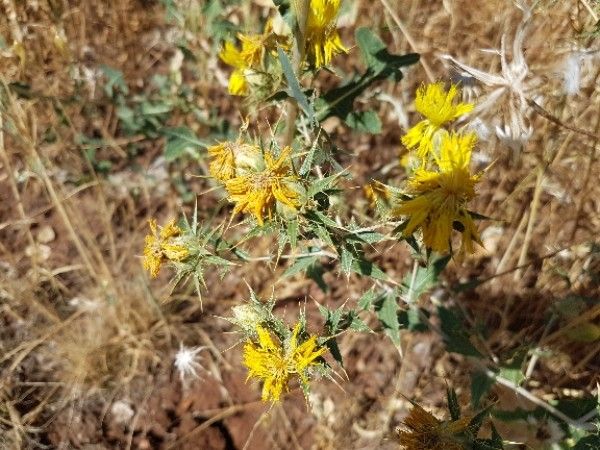
Unlocking the Secrets of Persian Saffron: A Guide to Propagating Carthamus Persicus
Carthamus persicus, better known as Persian saffron or safflower, is an ancient flowering plant valued for both its beauty and utility. While not to be confused with the pricey spice Crocus sativus (true saffron), Carthamus persicus boasts vibrant orange-red petals used for natural dyes, traditional medicine, and even as a culinary coloring agent. Intrigued? Let’s delve into the rewarding world of propagating this historical bloom.
Two Roads to Success: Seed vs. Cuttings
Like many flowering plants, Carthamus persicus offers two primary avenues for propagation: seeds and cuttings. Each method presents unique advantages and challenges, allowing you to choose the approach best suited to your resources and preferences.
1. Sowing the Seeds of Success:
Propagating from seed is the most common and arguably easiest method for Carthamus persicus. Here’s a step-by-step guide:
- Sourcing Seeds: Purchase high-quality seeds from reputable online vendors or local nurseries specializing in wildflowers or dye plants.
- Timing is Key: Sow seeds directly outdoors after the last frost, typically in spring. Carthamus persicus thrives in warm temperatures.
- Preparing the Bed: Choose a location with full sun and well-drained soil. Lightly amend the soil with compost for optimal drainage and nutrient content.
- Sowing the Seeds: Scatter seeds thinly across the prepared bed, lightly pressing them into the soil surface.
- Watering Wisely: Keep the soil consistently moist but not waterlogged until seedlings emerge, usually within 1-2 weeks.
- Thinning for Strength: Once seedlings develop several true leaves, thin them out to provide adequate spacing (12-18 inches apart) for optimal growth.
2. The Art of Cuttings:
While slightly more advanced, propagating Carthamus persicus from cuttings offers quicker results and ensures clones with identical characteristics to the parent plant. Here’s how to master this technique:
- Timing is Crucial: Take cuttings during the plant’s active growing season, ideally in late spring or early summer.
- Selecting the Cuttings: Choose healthy, non-flowering stems from the current year’s growth. Cuttings should be approximately 4-6 inches long.
- Preparing the Cuttings: Remove leaves from the lower half of each cutting to prevent rot. Dip the cut end in rooting hormone powder to encourage root development.
- Planting the Cuttings: Insert the treated ends into a well-draining potting mix, burying at least two nodes below the surface.
- Providing a Humid Environment: Cover the cuttings with a plastic bag or humidity dome to maintain moisture. Place them in a bright location out of direct sunlight.
- Rooting Time: Roots should develop within 4-6 weeks. Once roots are established, gradually acclimate the cuttings to outdoor conditions before transplanting.
Nurturing Your Persian Saffron:
Regardless of the propagation method you choose, Carthamus persicus requires minimal care once established. Water regularly during dry periods, especially during the first year. Fertilize sparingly with a balanced fertilizer if necessary.
Reaping the Rewards:
With proper care, your Carthamus persicus plants will reward you with an abundance of vibrant blooms in the summer. Enjoy their beauty in your garden, or harvest the petals for their vibrant dye, medicinal properties, or as a unique culinary ingredient.
Propagating Carthamus persicus is a rewarding journey for gardeners of all skill levels. Whether you choose to sow seeds or cultivate cuttings, you’ll be captivated by the beauty and versatility of this ancient plant. So why wait? Embark on your Carthamus persicus propagation adventure today!