
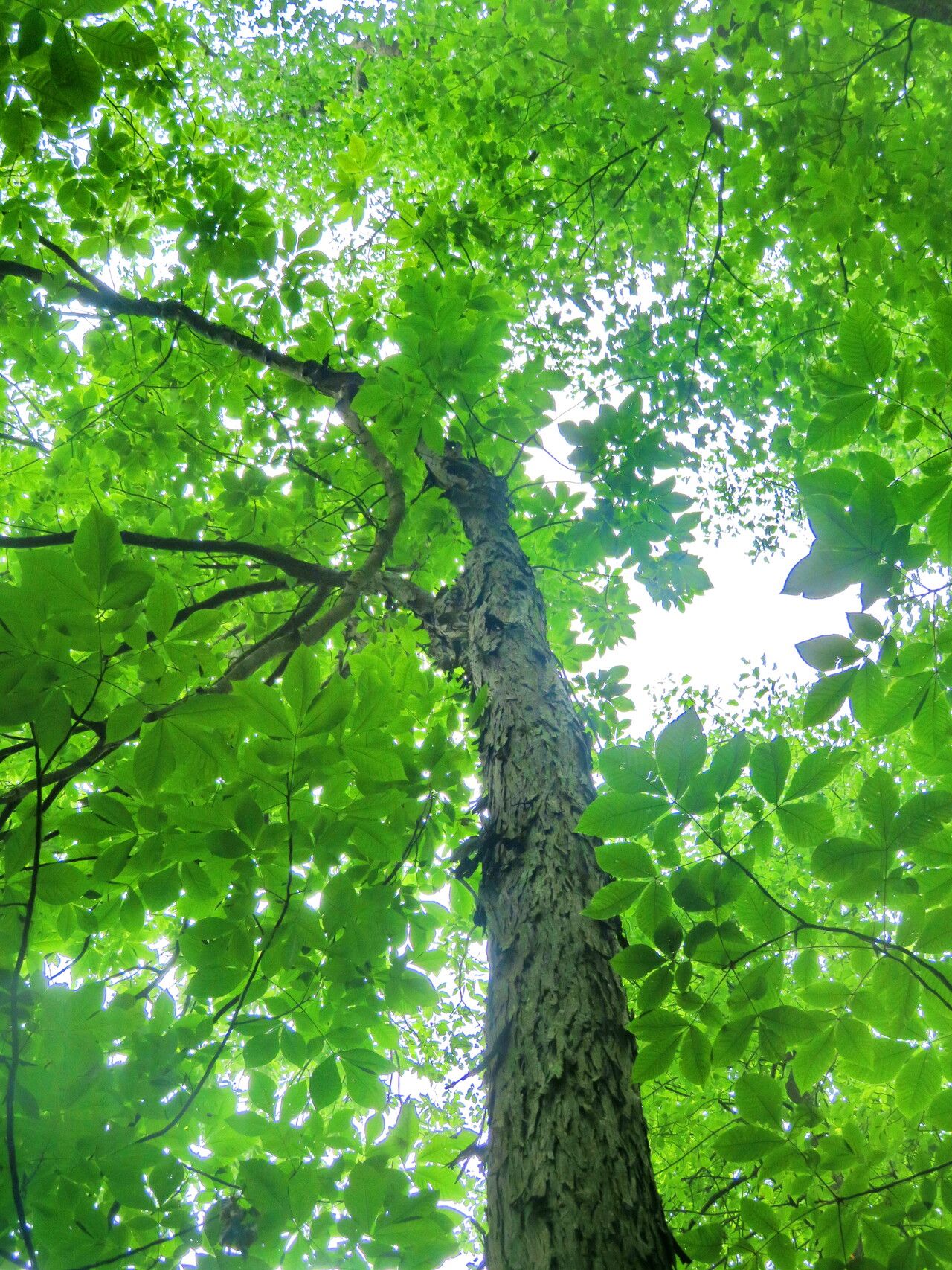
From Seed to Shade: Propagating the Majestic Shagbark Hickory
The Shagbark Hickory (Carya ovata), with its stately presence and delicious nuts, is a true gem of the Eastern American woodlands. But what if you want to bring this iconic tree into your own backyard? The good news is that you can, even without trekking into the wild! This guide explores the fascinating world of Shagbark Hickory propagation, offering a peek into the secrets of cultivating these magnificent trees.
The Seed of Success: A Look at Hickory Propagation
Like many trees, the Shagbark Hickory can be propagated both sexually (from seeds) and asexually (through grafting). Let’s dive into each method:
1. The Seedling Journey: Propagation From Seed
- Collecting Seeds: Seek out mature hickory nuts, usually dropping in late autumn. Look for firmly closed shells and choose nuts that are free of damage.
- Stratification: A Winter’s Nap: Hickory seeds require a period of cold stratification (mimicking winter conditions) to break dormancy. Store the seeds in a moist medium like vermiculite or peat moss in a refrigerator for 3-4 months.
- Planting Time: After stratification, plant the seeds in well-drained soil. Direct sowing in the fall is also possible, eliminating the need for refrigeration.
- Patience is Key: Hickory seedlings are slow growers, taking several years to reach a substantial size. Be patient and provide adequate sunlight and consistent moisture.
2. Grafting for Speed and Genetics:
Grafting is a faster and more reliable way to obtain a mature tree. It enables you to inherit the desirable characteristics of a parent tree, like nut quality or disease resistance.
- The Right Stock: Start with a healthy rootstock of a closely related hickory species, preferably a Shagbark Hickory sapling. This will ensure compatibility.
- The Scion: Take a twig from a mature Shagbark Hickory possessing the desired traits. This is called the scion. Select a healthy, dormant twig, ideally with multiple buds.
- The Grafting Technique: There are various techniques, like whip grafting or cleft grafting. Join the scion to the rootstock, securing them with tape and ensuring a tight fit.
- Care is Crucial: Keep the grafted plant in a protected environment, providing moisture and shade. Once the graft union heals, gradually acclimate to outdoor conditions.
Tips for Success:
- Soil Matters: Shagbark Hickories thrive in well-drained, fertile soil with a neutral pH.
- Sunlight is King: Choose a sunny location, with at least 6 hours of direct sunlight daily.
- Water Wisely: While young, provide regular watering, especially in dry periods, to establish strong root systems.
- Patience is Essential: Remember, hickory trees grow slowly, so patience is key!
A Legacy of the Shagbark Hickory:
By propagating the Shagbark Hickory, you’re not just cultivating a tree; you’re nurturing a piece of American history. These trees are a vital part of our ecosystem, supporting wildlife and offering beauty for generations to come. So, step into the world of hickory propagation and experience the joy of watching your own Shagbark Hickory flourish.