
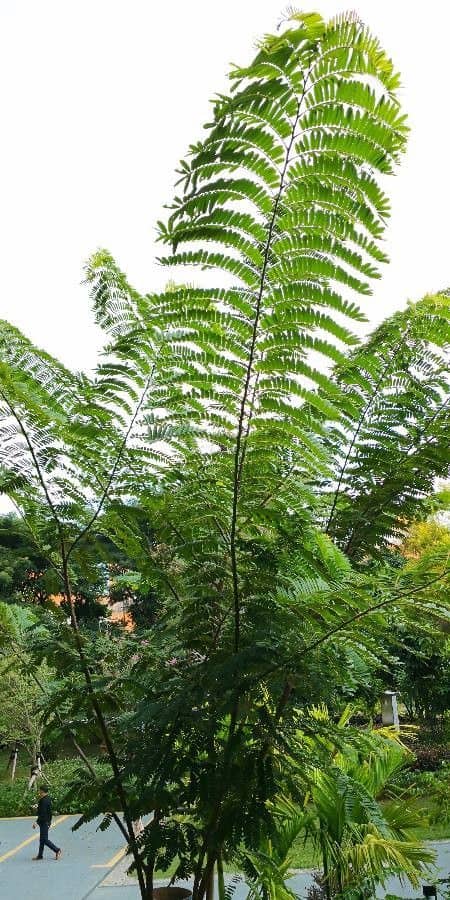
Blooming Beauty: Unlocking the Secrets to Propagating Cassia Bakeriana
Cassia bakeriana, also known as the Pink Shower Tree or Wishing Tree, is a sight to behold. Imagine a cascade of delicate pink blossoms adorning gracefully arching branches – a true testament to nature’s artistry. While admiring its beauty is a treat in itself, wouldn’t it be wonderful to replicate this enchantment in your own garden? Well, good news awaits! Propagating your own Cassia bakeriana, though requiring a bit of patience, is an achievable feat. So, let’s delve into the world of propagation and discover the techniques that will have you nurturing these blossoms before you know it.
The Power of Two: Exploring Your Propagation Options
For Cassia bakeriana, you have two primary paths to propagation:
Seed Propagation: The path less traveled, yet equally rewarding.
- The Process: Cassia bakeriana produces long, cylindrical seed pods after flowering. Collect these pods and extract the seeds, making sure to wear gloves as the pods can be irritating to the skin. Soak the seeds in warm water for 24 hours to soften the outer coating. This process, known as scarification, enhances germination rates. Plant the seeds in a well-draining seed starting mix, keeping the soil consistently moist but not waterlogged. Be patient – germination can take anywhere from a few weeks to a couple of months.
- The Pros: Seed propagation is a cost-effective way to obtain a larger number of plants.
- The Cons: It requires more time and patience compared to cuttings. Also, seedlings may not always inherit the exact characteristics of the parent plant.
Cutting Propagation: A faster route to blooming success.
- The Process: During the growing season (spring or early summer), take semi-hardwood cuttings, which are essentially branches that have started to mature but are still somewhat flexible. Each cutting should be 6-8 inches long and taken just below a leaf node. Remove the leaves from the lower half of the cutting. Dip the cut end into rooting hormone to encourage root development. Plant the cuttings in a well-draining potting mix and keep them consistently moist. Covering the cuttings with a plastic bag can create a humid environment that promotes rooting.
- The Pros: This method yields faster results and ensures that the new plants will be genetically identical to the parent plant.
- The Cons: You’ll obtain a smaller number of plants compared to seed propagation.
Essential Care: Nurturing Your Cassia Bakeriana
Regardless of the propagation method you choose, providing the right care is crucial:
- Sunlight: Cassia bakeriana thrives in full sun, requiring at least 6 hours of direct sunlight per day.
- Soil: Well-draining soil is essential to prevent root rot.
- Water: Water deeply during the growing season, allowing the soil to dry out slightly between waterings.
- Fertilizer: Feed with a balanced fertilizer during the growing season to promote healthy growth and flowering.
Propagating your own Cassia bakeriana is a rewarding experience, allowing you to witness the miracle of life unfold in your own garden. So embrace the journey, and let these tips guide you to success!