
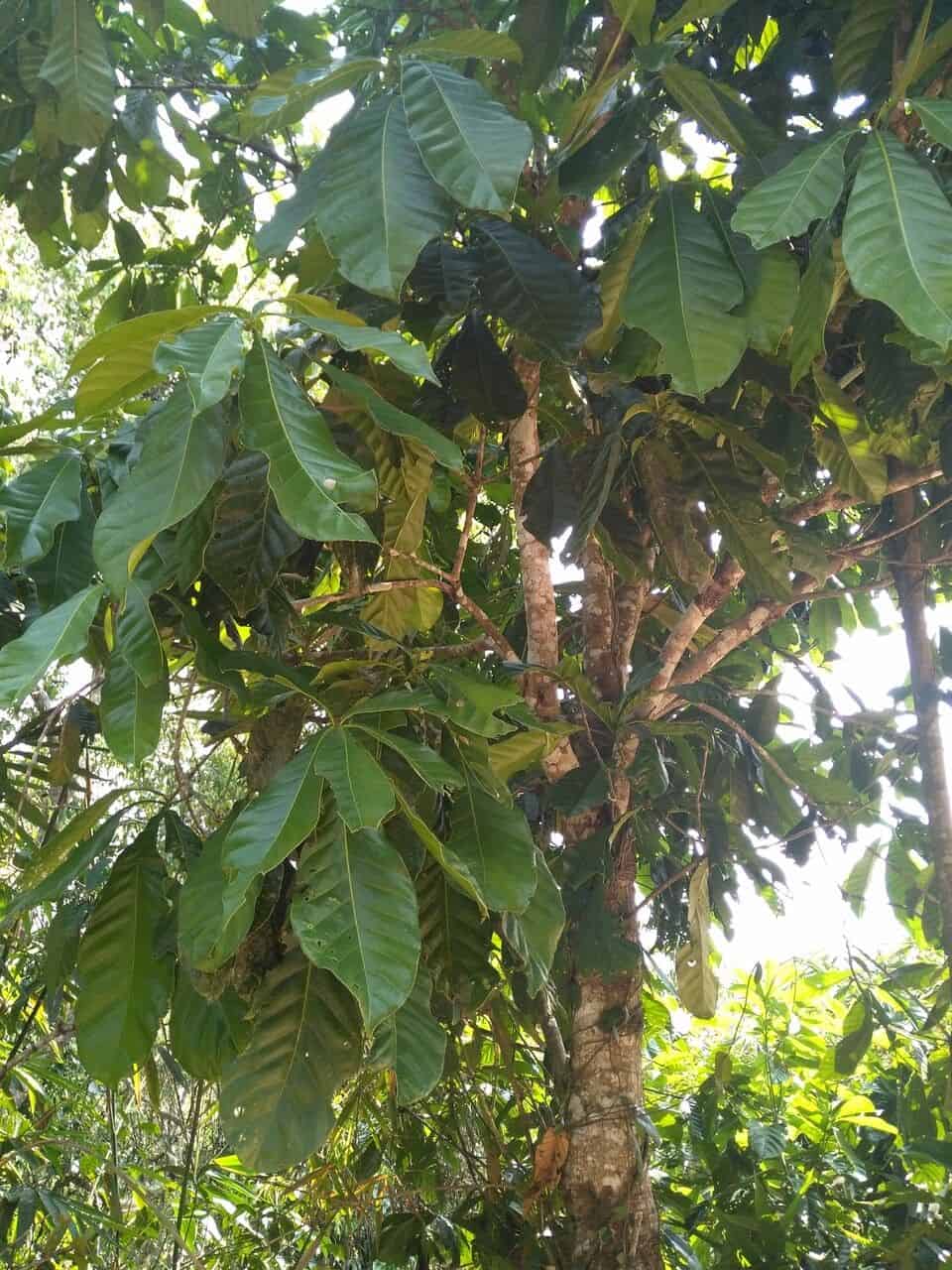
Cracking the Code: How to Propagate the Mighty Castanopsis sclerophylla
The Castanopsis sclerophylla, also known as the Chinese evergreen chinkapin, is a majestic evergreen tree native to China, prized for its beauty and timber. While cultivating this magnificent species might seem daunting, understanding its propagation methods can empower even novice gardeners to introduce its grandeur into their landscapes.
Seed Propagation: Embracing the Circle of Life
Propagating Castanopsis sclerophylla from seed offers a fulfilling journey from tiny seed to towering tree. Here’s how to succeed:
- Seed Collection and Preparation: Collect mature acorns in autumn when they fall from the tree. Remove the outer husk and soak the seeds in water for 24 hours, discarding any that float.
- Cold Stratification: Castanopsis sclerophylla seeds require a period of cold stratification, mimicking the natural winter dormancy. Mix the seeds with moist sand or vermiculite, seal them in a plastic bag, and refrigerate for 60-90 days.
- Sowing: In spring, plant the cold-stratified seeds in a seed-starting mix, about an inch deep. Keep the soil consistently moist but not waterlogged.
- Patience is Key: Germination may take several weeks or even months. Ensure optimal conditions with indirect sunlight and a warm environment.
Pros:
- Cost-effective: Seed propagation allows you to cultivate multiple trees at a minimal cost.
- Genetic Diversity: Growing from seed promotes genetic diversity, leading to healthier and potentially more adaptable trees.
Cons:
- Time-consuming: Seed propagation requires patience, as it can take several years for trees to establish and mature.
- Variable Success Rate: Germination rates can vary, and not all seeds might sprout.
Cutting Propagation: A Shortcut to Established Trees
While more challenging than seed propagation, cuttings offer a faster route to mature trees. Here’s a breakdown:
- Taking Cuttings: During the early morning hours in late spring or early summer, select healthy, semi-hardwood cuttings from the current year’s growth. Each cutting should be 4-6 inches long with several leaf nodes.
- Preparing the Cuttings: Remove the lower leaves, leaving 2-3 at the top. Dip the cut end in rooting hormone to encourage root development.
- Planting and Care: Plant the cuttings in a well-draining potting mix, keeping the humidity high. Covering the cuttings with a plastic bag can help create a humid environment.
- Transplanting: Once roots develop, typically within several weeks, the cuttings can be transplanted into individual pots or directly into the ground.
Pros:
- Faster Growth: Cuttings bypass the seedling stage, resulting in a faster path to maturity.
- Clonal Propagation: Cuttings produce trees genetically identical to the parent plant, ensuring predictable traits.
Cons:
- Lower Success Rate: Cuttings can be more susceptible to disease and failure to root compared to seeds.
- Requires Expertise: Propagating from cuttings demands a good understanding of the process and careful attention to detail.
Conclusion
Whether you choose to propagate Castanopsis sclerophylla from seed or cuttings, the journey is rewarding. Armed with knowledge and patience, you can successfully cultivate this majestic tree and contribute to its legacy for generations to come.