
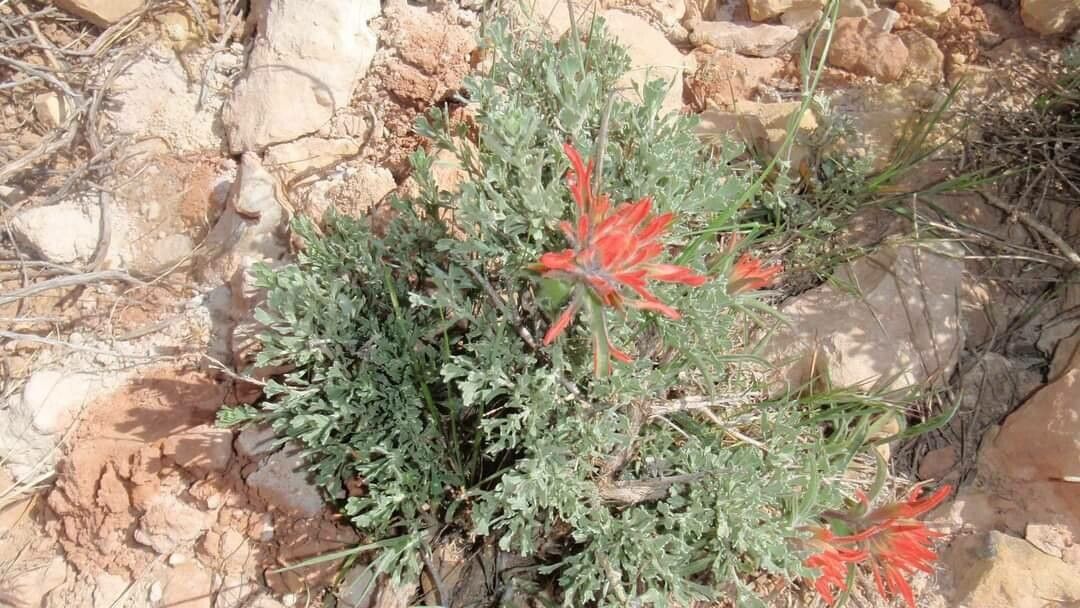
A Love Triangle in the Garden: Propagating the Parasitic Paintbrush (Castilleja applegatei)
The Applegate’s paintbrush, or Castilleja applegatei, is a sight to behold. Its vibrant, paint-splattered bracts light up meadows across Western North America, attracting pollinators with their fiery hues. But behind this plant’s beauty lies a fascinating secret: it’s a horticultural drama queen, relying on a “love triangle” for survival.
Yes, you read that right! Castilleja applegatei is hemiparasitic, meaning it photosynthesizes like a normal plant but supplements its diet by tapping into the roots of neighboring plants. This makes propagation a bit more complicated than just scattering seeds, but fear not, green thumbs! With a little understanding of this plant’s unique needs, you can successfully cultivate it in your own garden.
Seeds of Success: A Symbiotic Journey
Castilleja applegatei reproduces primarily through seeds, but here’s the catch: they require the presence of a host plant to germinate and thrive. These seeds are tiny and need to be sown shallowly in well-draining soil. Be sure to choose a spot in your garden that receives plenty of sunlight. But remember, solo sunlight won’t do!
Now comes the selection of your Castilleja‘s partner-in-crime (or rather, partner-in-life). Ideal host plants are typically grasses or wildflowers native to the same region where you sourced your Castilleja seeds. Planting them in close proximity to established native grasses like blue grama or fescues often yields the best results.
More Than Just a Pretty Face: Division and Beyond
While seed propagation is the most common method, adventurous gardeners can experiment with root cuttings. During the dormant season (fall or early spring), carefully unearth a portion of the Castilleja clump, ensuring a section of the root system connected to the host plant remains intact. This method is a bit more challenging and requires a gentle touch, but it can be a rewarding way to propagate particularly vigorous clumps.
Patience is a Virtue: Caring for Your Castilleja
Once your Castilleja applegatei is established, it’s relatively low-maintenance. These plants are adapted to drier conditions and prefer well-draining soil. Avoid overwatering, as soggy roots can lead to root rot.
Castilleja applegatei is a short-lived perennial, typically blooming for two to three years. However, with proper care and a suitable host, they can often self-seed and grace your garden with their vibrant colors for many seasons to come.
A Rewarding Challenge:
Propagating Castilleja applegatei might require a bit more effort than your average garden variety, but the reward is well worth it. Witnessing the intricate relationship between host and parasite firsthand is a fascinating experience, and the plant’s striking beauty is a true testament to the wonders of nature’s delicate balance. So why not embrace the challenge? Add a touch of drama to your garden with this stunning and unique wildflower.