
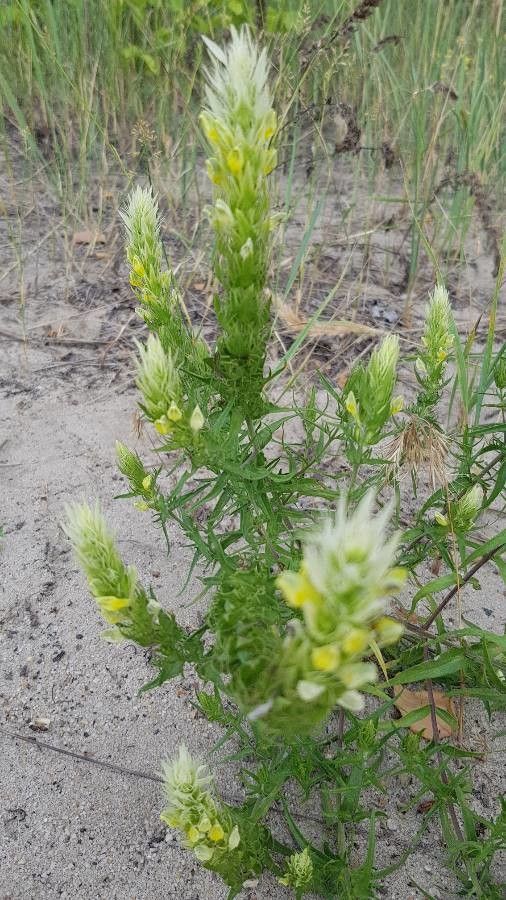
From Seed to Bloom: Cultivating the Elusive Beauty of Castilleja cusickii
Castilleja cusickii, also known as Cusick’s Indian paintbrush, is a mesmerizing wildflower that graces the high meadows and rocky slopes of the western United States. Its vibrant, scarlet-red bracts, resembling paintbrushes, create a dazzling spectacle against the backdrop of green foliage. But obtaining this unique plant can be a challenge, as it’s notoriously difficult to propagate.
Fortunately, with patience and careful technique, you can successfully bring this captivating wildflower to your own garden.
The Seed Saga: A Journey of Patience
The most common method of propagating Castilleja cusickii is through seeds. These tiny seeds are best collected from mature plants in the wild after the bracts turn brown.
- Timing is Key: Gather seeds in late summer or early fall, as this is when they are fully developed.
- Storage Matters: Store the seeds in a cool, dry place until late winter or early spring.
- Pre-Treatment for Success: Before sowing, consider cold stratification. This involves placing the seeds in a moist environment at temperatures between 35 and 40 degrees Fahrenheit for 6-8 weeks. This process mimics the natural winter conditions that trigger seed germination.
Sowing the Seeds: A Gentle Touch
Once the seeds have undergone cold stratification, it’s time to sow them.
- Choose the Right Substrate: A well-draining mix of sand, peat moss, and perlite provides an ideal environment for germination.
- Shallow Planting: Sow the seeds on the surface of the soil, as they require light to germinate.
- Moisture Maintenance: Keep the soil consistently moist but not soggy.
- Patience is a Virtue: Seed germination can take several weeks or even months, so be patient and persistent.
Beyond Seeds: The Challenge of Division
Division is another method of propagation, but it’s a delicate process and not always successful. It involves carefully dividing the plant’s roots, separating them into smaller sections, and replanting them.
- Choose the Right Time: Divide plants in early spring before new growth emerges.
- Minimize Stress: Handle the root systems carefully to avoid damaging them.
- Appropriate Conditions: Plant the divisions in a well-drained soil with plenty of sunlight.
Providing the Right Environment:
Castilleja cusickii thrives in open, sunny locations with well-drained soil. It prefers a slightly acidic pH level, making sandy loam an ideal choice.
- Ample Sunlight: Provide a minimum of 6 hours of sunlight per day.
- Watering Wisely: Water regularly, especially during the first year of growth, but avoid overwatering.
- Protection from Pests: Be vigilant against garden pests such as aphids and snails.
The Beauty of Patience:
Propagating Castilleja cusickii is a rewarding journey. Patience, careful technique, and the right environment are the key to success. By embracing these tips, you can witness the exquisite beauty of this wildflower come alive in your own garden, reminding you of the captivating landscapes where it truly belongs.