
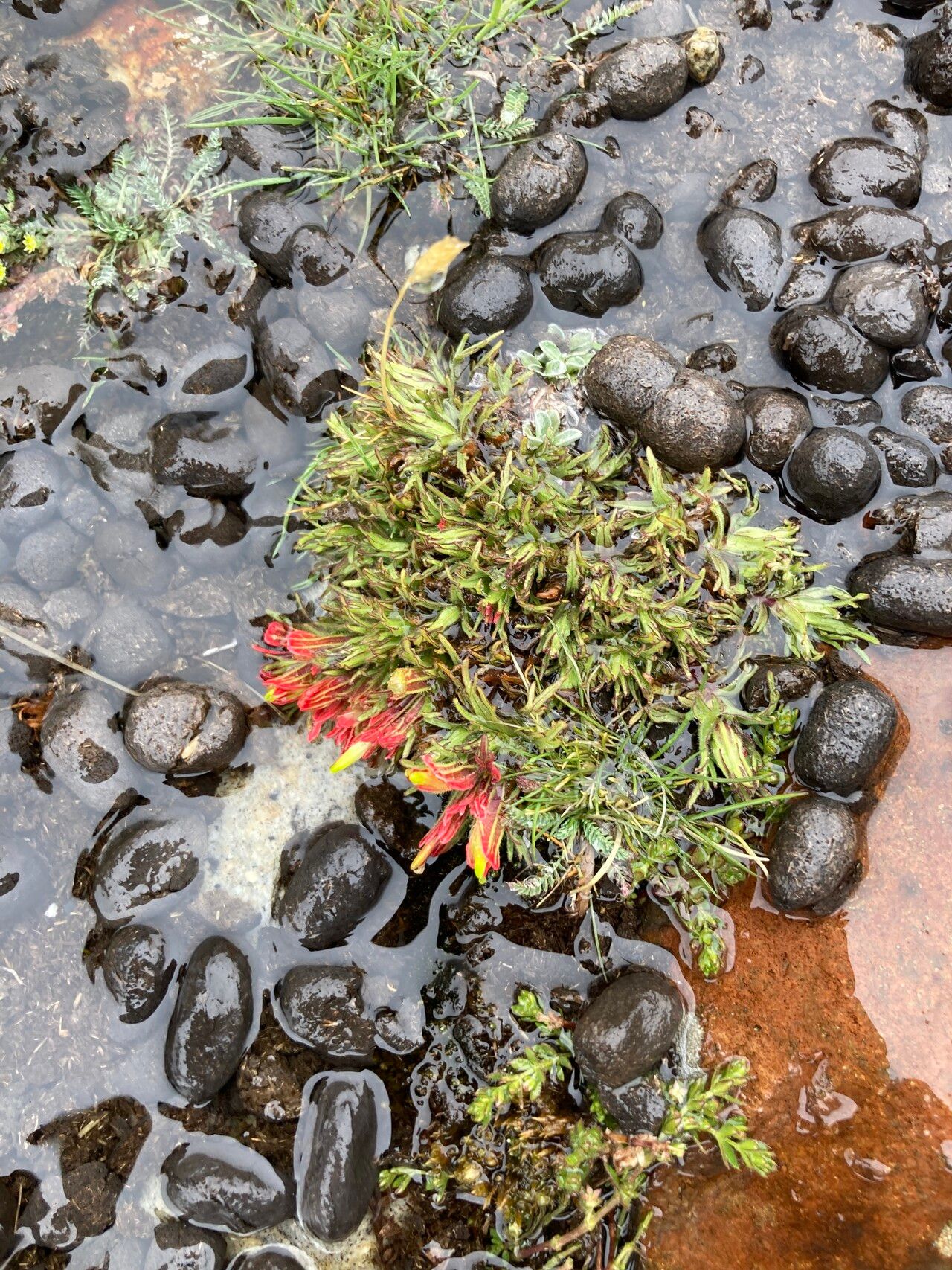
Taming the Tiny Lion: A Guide to Propagating Dwarf Indian Paintbrush (Castilleja pumila)
The world of wildflowers is a fascinating one, full of striking colors and delicate beauty. Among these treasures is the Dwarf Indian Paintbrush, also known as Castilleja pumila. This small but mighty plant, with its fiery red bracts that resemble a paintbrush dipped in vibrant pigment, can be a showstopper in any wildflower garden. But be warned, this little beauty is notorious for being difficult to propagate.
Understanding the Challenge:
Before we delve into the methods, it’s important to understand why propagating Castilleja pumila is a challenge. This plant is what’s known as a hemiparasite. In simpler terms, it relies on a host plant for some of its nutrients. While it can photosynthesize on its own, it sends out roots that tap into the roots of neighboring plants, drawing water and additional nutrients. This parasitic relationship is essential for its survival and makes propagation a more delicate process.
Methods for Propagation:
Seed Collection and Sowing:
- Timing is crucial! Collect seeds in late summer when the seed capsules turn brown and dry.
- Gently crush the capsules to release the tiny, black seeds.
- Sow the seeds immediately in a well-draining seed starting mix. Surface sow, as light aids in germination.
- Keep the soil consistently moist but not waterlogged.
- Germination is erratic and can take several weeks to months. Patience is key!
Host Plant Importance:
- Because of the parasitic nature of Castilleja pumila, it’s essential to have suitable host plants nearby for successful establishment.
- Native grasses are often the best companions. Plant these in your wildflower garden or seed starting pots along with your Castilleja pumila seeds.
- Root Cuttings:
- This method is less common but can be successful.
- In early spring, carefully extract a small section of root from a mature plant, ensuring a portion of the root has small rootlets attached.
- Plant the root cutting in a pot with well-draining soil and a nearby host plant.
Essential Care:
- Sunlight: Provide your Castilleja pumila with at least 6 hours of direct sunlight each day.
- Soil: Mimic their natural habitat with well-draining, slightly acidic soil.
- Water: Water regularly, especially during dry periods, but avoid overwatering.
- Fertilizer: Use a diluted, balanced fertilizer sparingly. Over-fertilizing can hinder the symbiotic relationship with the host plant.
Rewards of Patience:
Successfully propagating Castilleja pumila requires patience, dedication, and a bit of luck. But the reward of seeing this miniature fiery wonder bloom in your own garden makes the effort worthwhile. You’ll be contributing to the preservation of this fascinating wildflower and enjoying a vibrant splash of color that will brighten your landscape for years to come.