
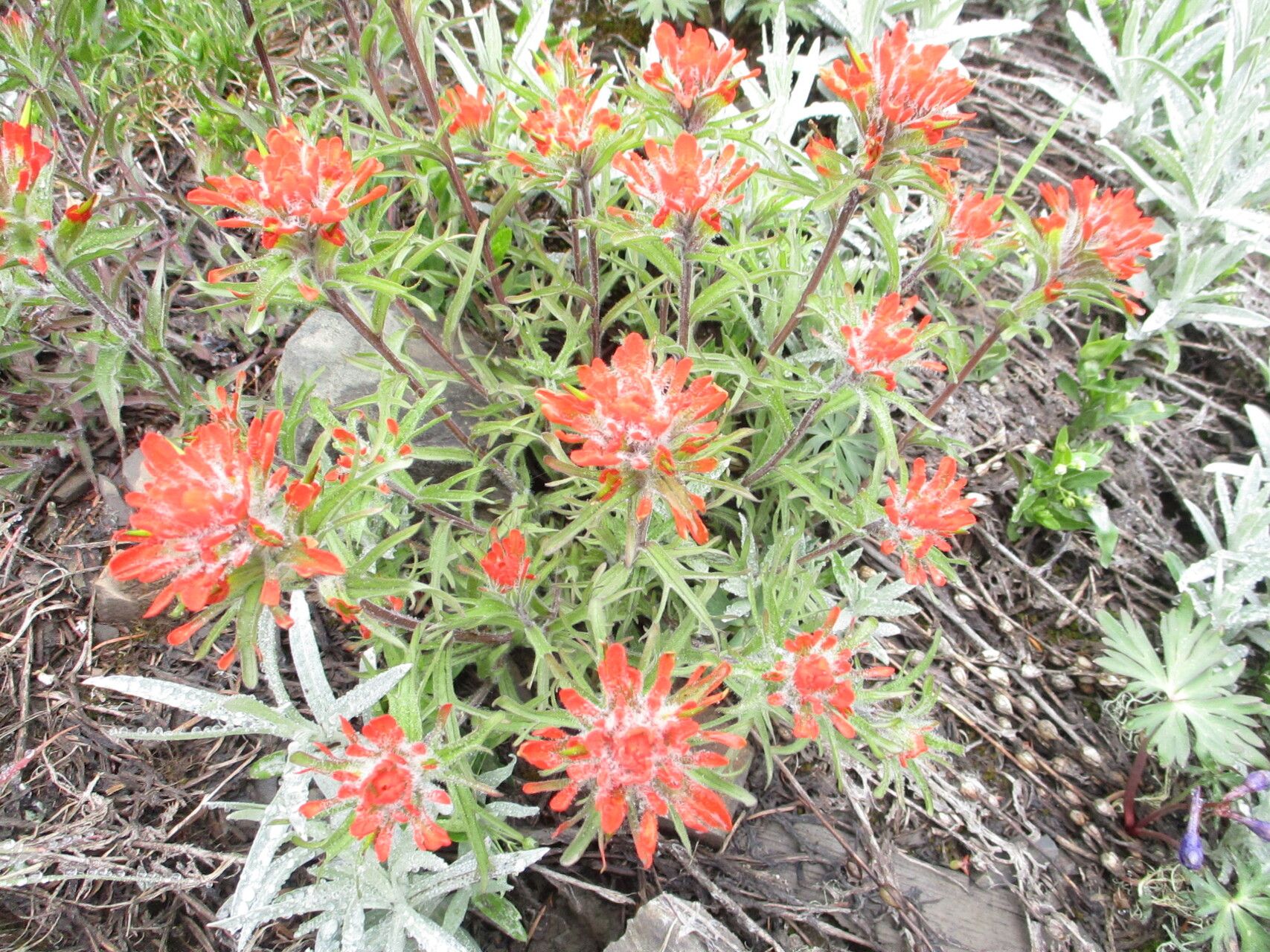
Taming the Wild Beauty: Propagating the Elusive Castilleja rupicola
The Castilleja rupicola, commonly known as the cliff paintbrush or the rock Indian paintbrush, is a sight to behold. This vibrant wildflower, with its bursts of crimson bracts against a backdrop of rocky outcrops, captures the essence of rugged beauty. But for all its visual appeal, propagating the Castilleja rupicola presents a unique challenge for even seasoned gardeners.
Understanding the Nature of the Beast
Before we delve into propagation techniques, it’s crucial to understand the Castilleja’s peculiar nature. It’s a hemiparasitic plant, meaning it derives some of its nutrients by tapping into the roots of neighboring host plants. This symbiotic relationship, while fascinating, adds complexity to its cultivation.
Propagation Methods: A Balancing Act
- Seed Propagation: A Test of Patience
Castilleja rupicola seeds are notoriously fickle. Here’s a breakdown of the process:
- Seed Collection: Collect seeds in late summer after the flowers have faded and seed capsules have dried.
- Cold Stratification: Mimicking nature’s cues, mix the seeds with damp sand and store them in a refrigerator for at least 60 days. This cold treatment is crucial for breaking dormancy.
- Sowing: In early spring, sow the seeds in well-draining soil. Here’s where the challenge lies – incorporate a small amount of soil from around the base of a suitable host plant (grasses and wildflowers like Penstemon are good choices). This introduces the necessary mycorrhizal fungi that facilitate the parasitic connection.
- Patience is Key: Germination can be erratic, taking several weeks or even months.
- Cuttings: A Conditional Success
Taking cuttings from established Castilleja rupicola plants can be successful, but it’s not without its limitations:
- Timing is Everything: The best time to take cuttings is in early spring when new growth emerges.
- The Right Cut: Select healthy, non-flowering stems and make a clean cut just below a leaf node.
- Hormone Boost: Dipping the cut end in rooting hormone can increase the chances of success.
- Potting Mix is Crucial: Use a well-draining mix that includes a component of soil from around a compatible host plant.
- Success is Not Guaranteed: Even under ideal conditions, rooting cuttings can be challenging.
Cultivating the Castilleja: A Long-Term Commitment
If you’re lucky enough to successfully propagate Castilleja rupicola, the journey doesn’t stop there:
- Location, Location, Location: Replicate its natural habitat by providing well-drained soil, full sun to partial shade, and importantly, a nearby compatible host plant.
- Don’t Be Overly Generous: Castilleja rupicola thrives in lean soil conditions. Avoid over-fertilizing, as this can harm the plant.
A Rewarding Challenge
Propagating the Castilleja rupicola is not for the faint of heart. It demands patience, a bit of botanical know-how, and a touch of luck. But for those who persevere, the reward of witnessing this wild beauty thrive in their own gardens makes it a challenge worth undertaking. Just remember, success lies in understanding and replicating the delicate balance of nature that allows this captivating plant to flourish.