
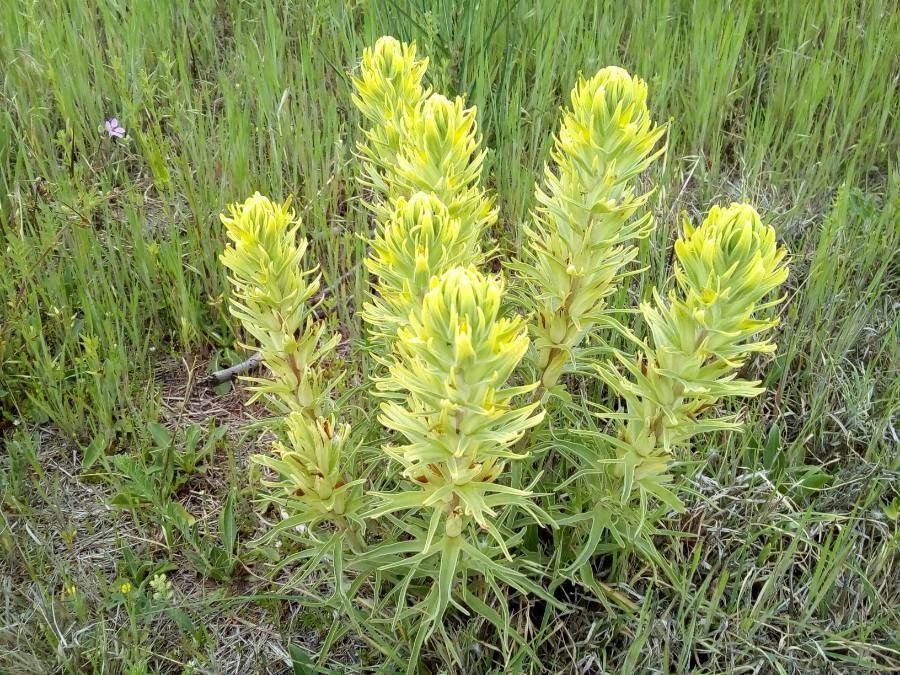
Taming the Wild Beauty: A Guide to Propagating Thompson’s Indian Paintbrush (Castilleja thompsonii)
Thompson’s Indian Paintbrush (Castilleja thompsonii) is a showstopper with its vibrant, fiery red blooms that resemble an artist’s brush dipped in paint. But this wildflower’s beauty belies a somewhat complicated personality when it comes to cultivation. If you’ve been captivated by its charm and dream of introducing it to your garden, be prepared for a rewarding, though slightly challenging, journey.
Unlike your average garden variety, Castilleja thompsonii isn’t content with simply being planted and watered. It’s a hemiparasitic plant, meaning it needs a little help from its neighbors to truly thrive. This fascinating characteristic adds a layer of complexity to propagation, but don’t worry, we’ll break it down step by step.
Understanding the Hemiparasitic Nature:
Castilleja thompsonii, like other paintbrushes, forms special structures on its roots called haustoria. These structures attach to the roots of nearby plants, “borrowing” water and nutrients for survival. While they do photosynthesize, successfully establishing a symbiotic relationship is crucial for their long-term health and the vibrancy of their blooms.
Propagation Methods:
-
Seeds: This is the most common method, though it requires patience and a touch of green thumb magic.
- Seed Collection: Collect seeds from mature plants in late summer or early fall. Look for brown, dried seed capsules.
- Cold Stratification: Thompson’s Indian Paintbrush seeds require a period of cold dormancy to germinate. Store the seeds in a moist paper towel in your refrigerator for at least 3 months.
- Sowing with a Host: In spring, select a sunny location with well-draining soil. Sow the seeds directly into the ground alongside a suitable host plant. Good choices include native grasses or perennials like yarrow, asters, or buckwheat.
- Patience is Key: Germination can be erratic, taking anywhere from a few weeks to a full year.
- Cuttings: While possible, propagating from cuttings is significantly more challenging and less reliable than seed propagation. If attempting this method, take basal cuttings in early spring from new growth before flowering.
Essential Care Tips:
- Location, Location, Location: Choose a sunny spot with excellent drainage. Mimic the plant’s natural habitat by avoiding overly rich or fertile soils.
- Host Plant Selection: Research and select host plants that are native to your area and thrive in similar conditions to your chosen Castilleja species.
- Watering Wisely: While Thompson’s Indian Paintbrush prefers well-draining soil, it’s important to keep the soil consistently moist, especially during the first year of growth.
- Observe and Adjust: Pay close attention to your plants. Are they thriving or struggling? A change in host plant, location, or watering schedule may be necessary.
Successfully cultivating Thompson’s Indian Paintbrush is a rewarding accomplishment. By understanding its unique needs and embracing the challenge, you can enjoy the satisfaction of seeing this captivating wildflower flourish in your own garden.