
Taming the Cupid’s Dart: Propagating Catananche Caespitosa for a Touch of Mediterranean Charm
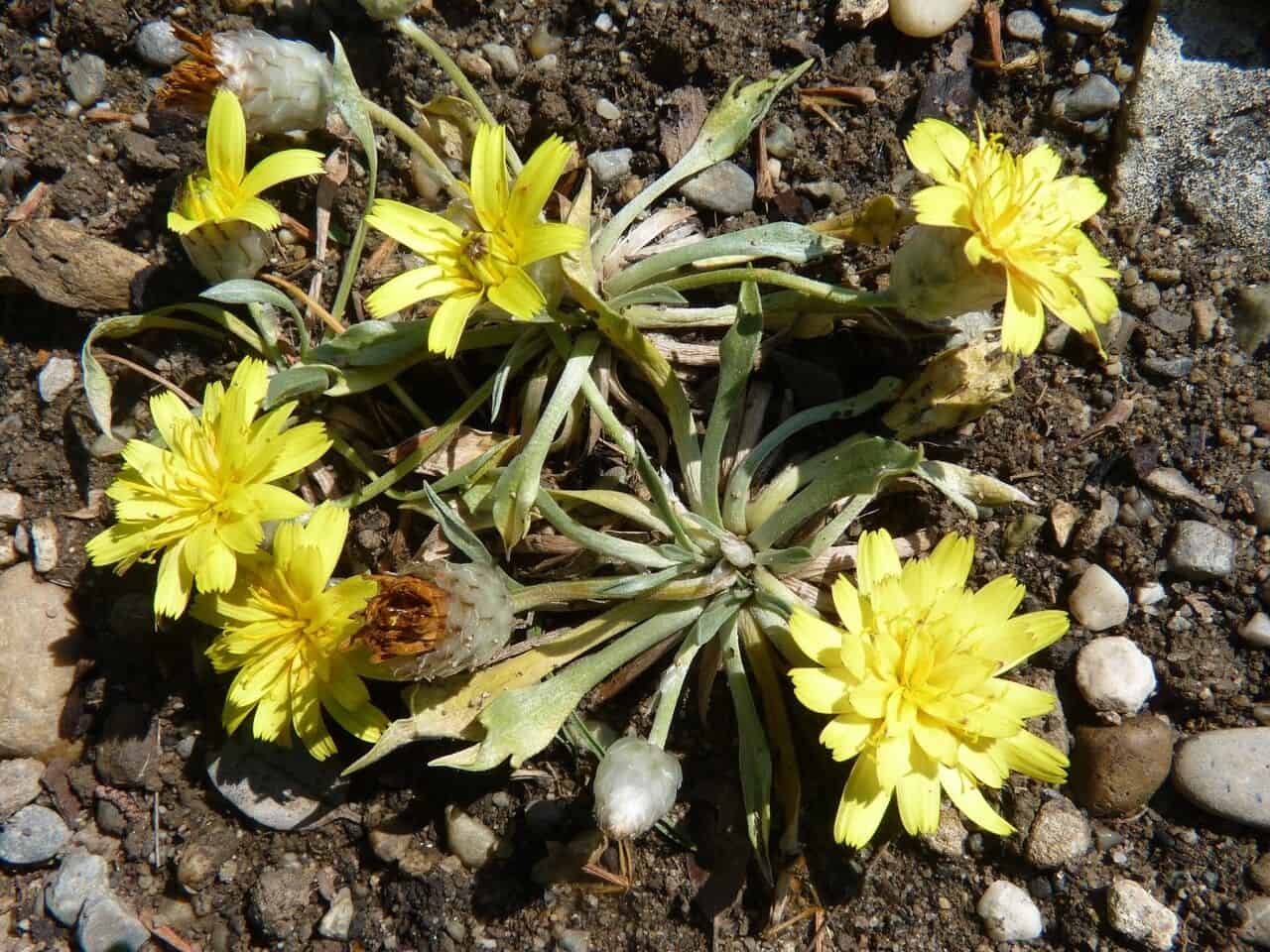
The Catananche Caespitosa, more affectionately known as Cupid’s Dart, is a Mediterranean gem that brings a touch of whimsical elegance to any garden. Its charming, daisy-like blooms, perched atop slender stems, dance gracefully in the summer breeze, adding a touch of ethereal beauty to borders, rock gardens, and wildflower meadows.
If you’ve fallen head over heels for this captivating perennial, you’ll be delighted to know that propagating Catananche Caespitosa is a relatively straightforward process, achievable through two main methods:
1. Sow the Seeds of Success:
- Timing is Key: For best results, sow Catananche Caespitosa seeds in early spring, either directly outdoors after the last frost, or indoors 6-8 weeks prior.
- Creating the Perfect Nursery: Use a well-draining seed starting mix and moisten it thoroughly. Sow seeds thinly and cover them lightly with soil.
- Light and Warmth: Place your seed tray in a bright location, out of direct sunlight. Maintain a temperature of around 65-70°F (18-21°C).
- Patience is a Virtue: Germination typically takes 2-3 weeks. Once seedlings have developed a few true leaves, thin them out to provide adequate spacing.
- Transplanting Time: Harden off your seedlings gradually before transplanting them outdoors after the last frost. Choose a sunny location with well-drained soil.
2. Division for Double the Delight:
Dividing established clumps of Catananche Caespitosa is another effective propagation method, best done in spring or early fall. Here’s how:
- Digging Deep: Carefully lift the entire plant from the ground using a garden fork.
- Gentle Separation: Divide the clump into smaller sections, ensuring each section has a good amount of roots and shoots.
- Replanting: Replant the divisions immediately at the same depth they were previously growing. Water them well and provide shade for a few days while they establish themselves.
Tips for Propagation Success:
- Catananche Caespitosa thrives in well-drained soil. If your soil is heavy, amend it with sand or grit to improve drainage.
- These sun-worshipping beauties prefer at least 6 hours of direct sunlight per day for optimal blooming.
- While relatively drought-tolerant once established, provide regular watering, especially during dry spells.
- Deadhead spent blooms to encourage continuous flowering and prevent self-seeding.
With a touch of patience and these simple techniques, you can propagate your own enchanting colony of Cupid’s Dart. Soon, your garden will be abuzz with pollinators, drawn to the cheerful blooms, adding an extra layer of life and beauty to your outdoor space.