
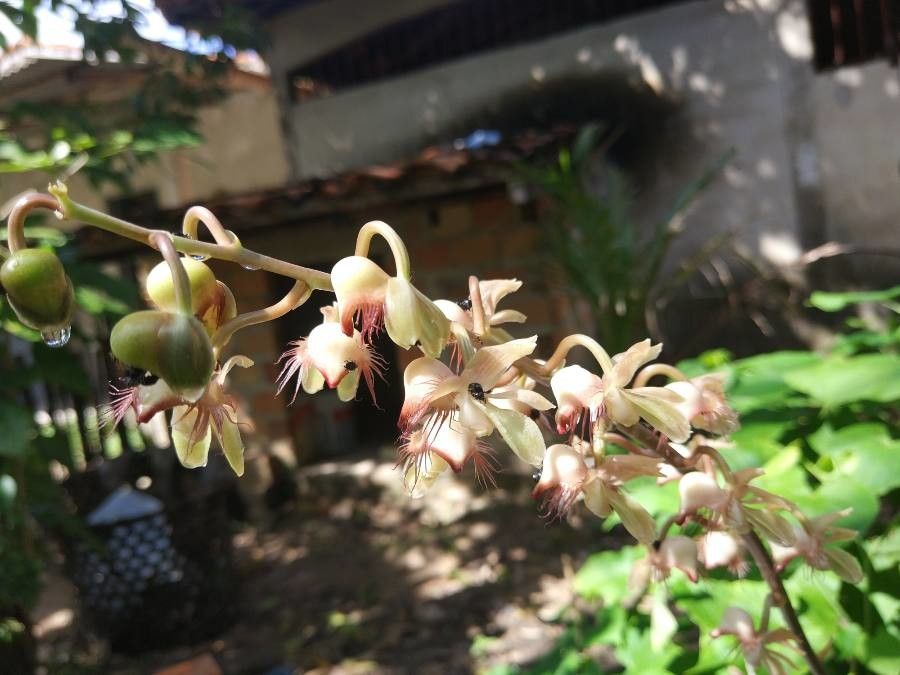
Unlocking the Secrets of Catasetum discolor Propagation: From Pseudobulbs to Blooms
The Catasetum discolor, with its captivating floral displays and unusual growth habits, captivates orchid enthusiasts and novices alike. But did you know that unlocking the secrets to propagating this stunning species can be just as rewarding as witnessing its blooms? This guide will delve into the fascinating world of Catasetum discolor propagation, empowering you to expand your orchid family and share the joy of these botanical wonders.
Understanding the Basics: A Unique Orchid
Before embarking on your propagation journey, it’s crucial to understand what makes the Catasetum discolor unique. Unlike many orchids that grow constantly, this species exhibits a cyclical growth pattern. They produce fleshy, elongated pseudobulbs that store water and nutrients. From these pseudobulbs emerge striking, often fragrant flowers that vary in color from pale green to deep maroon, depending on environmental factors.
Propagation Methods: Exploring the Options
There are two primary methods for propagating Catasetum discolor:
Division: This method, best suited for mature plants with multiple healthy pseudobulbs, involves carefully separating the plant into sections, each containing at least 3-4 pseudobulbs. Ensure each division has healthy roots attached. Use sterilized cutting tools to prevent the spread of disease.
- Back Bulbs: As Catasetum discolor matures, older pseudobulbs will lose their leaves. These “back bulbs” may appear dormant, but they hold remarkable potential. Detach them from the main plant, ensuring a clean cut, and place them in a humid environment on top of moist sphagnum moss. With patience and proper care, new growths may emerge, eventually developing into thriving new plants.
Creating the Ideal Propagation Environment
Regardless of the method chosen, providing the right environment is crucial for successful propagation. Consider these factors:
- Potting Medium: Opt for a well-draining mix specifically designed for orchids. A blend of bark chips, perlite, and coco husk works well.
- Humidity: Maintain a humid environment around the newly propagated sections. A humidity tray, regular misting, or placing the plants in a propagation box can be beneficial.
- Light: Provide bright, indirect light, avoiding direct sunlight that can scorch delicate new growths.
- Water: Water sparingly, allowing the potting mix to dry slightly between waterings. Overwatering can lead to root rot, a common problem for orchids.
Patience is Key: Nurturing New Beginnings
Propagating Catasetum discolor requires patience. It may take several weeks, even months, for new growth to emerge. During this time, resist the urge to overwater or disturb the plants. Regularly inspect for pests or diseases and address any issues promptly.
Reaping the Rewards: Witnessing the Cycle Anew
Successfully propagating your Catasetum discolor is immensely rewarding. Not only will you have expanded your orchid collection, but you will have also participated in the continuation of this captivating species. As you witness new growth unfurl and eventually bloom, remember the journey—the patience, care, and understanding that allowed you to unlock the secrets of Catasetum discolor propagation.