
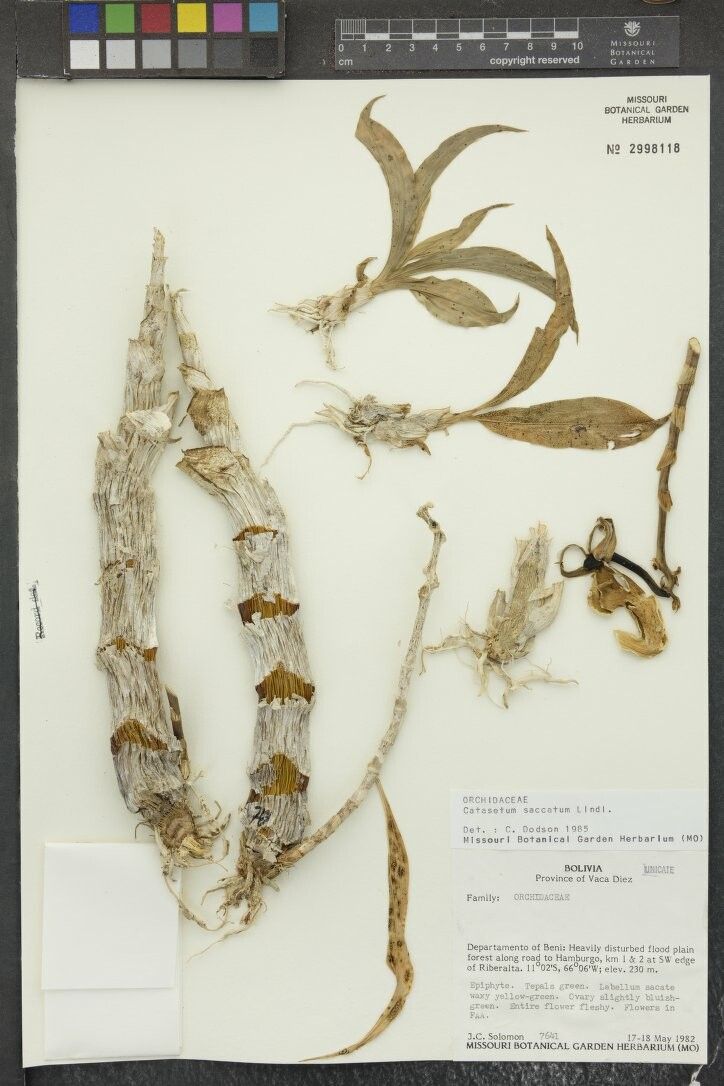
Unlocking the Secrets of Catasetum Saccatum Propagation: A Guide for Stunning Orchids
The Catasetum saccatum, with its whimsical, otherworldly blooms, is a captivating orchid species that draws you in with its unique charm. But beyond its undeniable beauty lies a fascinating challenge: propagation. Unlike your average houseplant, multiplying these orchids isn’t as simple as snipping a stem and waiting for roots. However, don’t let this deter you! This guide will unlock the secrets of Catasetum saccatum propagation, empowering you to expand your orchid family and witness the magic of new life firsthand.
Understanding the Catasetum Saccatum
Before diving into propagation, it’s essential to understand what makes this orchid tick. Native to Central and South America, the Catasetum saccatum is a deciduous, epiphytic orchid, meaning it naturally grows on trees, drawing moisture and nutrients from the air and rain. This lifestyle plays a crucial role in its propagation methods.
Propagation Methods
While seed propagation is possible, it requires specialized lab conditions and is best left to expert growers. For the home enthusiast, two primary propagation techniques stand out:
1. Division: This method capitalizes on the orchid’s natural growth habit. As your Catasetum saccatum matures, it will develop multiple pseudobulbs, which are thickened stem structures that store water and nutrients. Each pseudobulb has the potential to develop into a new plant.
- When to Divide: The ideal time for division is during the plant’s active growth phase, typically in spring or early summer. Look for healthy plants with at least 3-4 mature pseudobulbs.
- How to Divide: Using a sterilized cutting tool, carefully divide the rhizome (the horizontal stem connecting the pseudobulbs), ensuring each division has at least 2-3 pseudobulbs with healthy roots attached.
- Post-Division Care: Pot the divisions in a well-draining orchid mix, water sparingly, and provide bright, indirect light.
2. Back Bulbs: Remember those pseudobulbs? As the orchid grows, older pseudobulbs may lose their leaves and enter a dormant phase. Don’t discard them! These “back bulbs” are packed with energy and can sprout new growth under the right conditions.
- Identifying & Preparing Back Bulbs: Choose plump back bulbs with visible “eyes” or growth points. Gently remove any dry sheaths surrounding the bulb.
- Encouraging Growth: Place the back bulbs in a shallow tray filled with slightly damp sphagnum moss. Maintain high humidity and warm temperatures (75-85°F) to stimulate growth.
- Potting: Once new roots and shoots emerge, pot the back bulb as you would a division, ensuring the new growth is above the potting mix.
Patience is Key
Propagating Catasetum saccatum, regardless of the method, requires patience. It may take several weeks or even months for new growth to appear. Maintain consistent care, monitor for any signs of rot or disease, and trust in the natural resilience of these incredible orchids.
Rewards Worth the Effort
Witnessing the emergence of new life from a division or a seemingly dormant back bulb is incredibly rewarding. It deepens the bond between you and your orchids, giving you a sense of accomplishment that only comes from successfully nurturing life. So, embrace the challenge, unlock the secrets of Catasetum saccatum propagation, and watch with wonder as your orchid collection flourishes!