
Unlocking the Secrets of Catharanthus Lanceus Propagation: Grow This Stunning Plant From Seed or Cuttings!
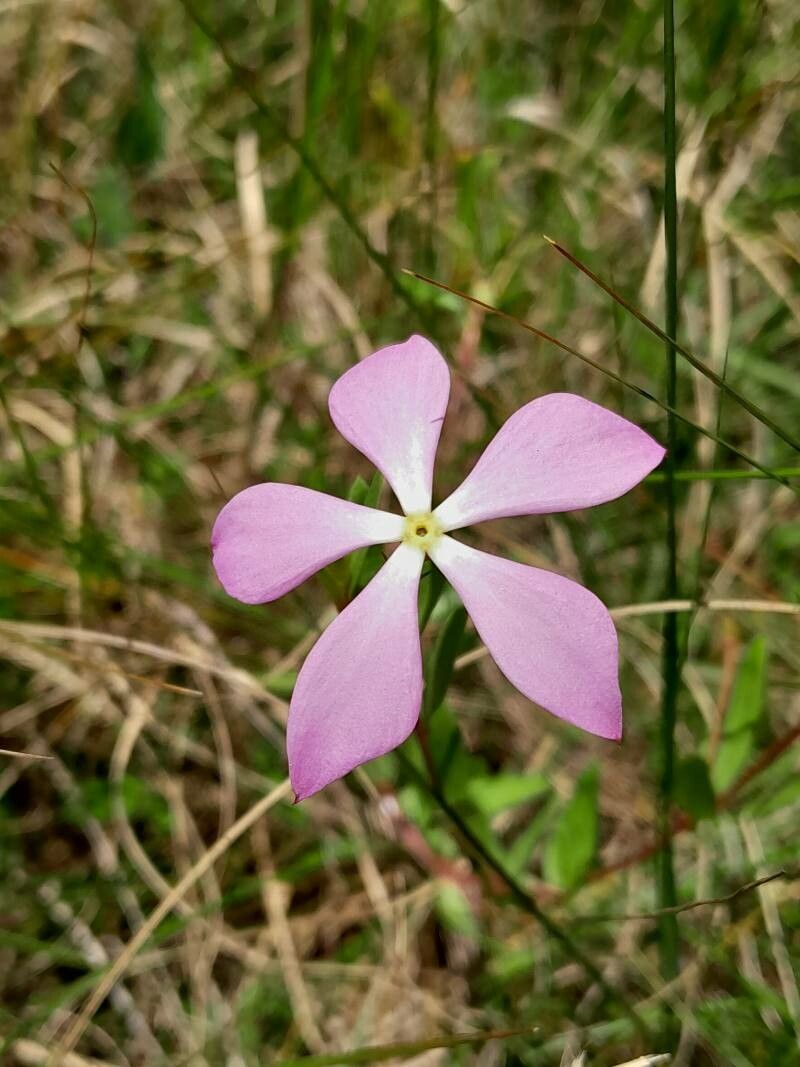
Catharanthus lanceus, also known as the Madagascar periwinkle, is a stunning evergreen shrub prized for its vibrant, trumpet-shaped flowers that bloom in shades of pink, rose, and white. While native to Madagascar, this low-maintenance beauty can thrive in gardens and containers worldwide. Ready to welcome its charm into your own space? This guide explores the fascinating world of Catharanthus lanceus propagation – learn how to grow new plants from both seeds and cuttings!
Method 1: Starting from Seed
Seed propagation is a rewarding way to grow a large number of Catharanthus lanceus plants. Follow these steps for success:
Seed Collection: While you can purchase seeds, collecting them from existing plants adds a touch of personal satisfaction. Look for slender, cylindrical seed pods that form after the flowers fade. Allow these pods to dry completely on the plant, then gently crack them open to reveal the small, black seeds.
Sowing the Seeds: Catharanthus lanceus seeds germinate best when sown indoors 6-8 weeks before the last frost. Use a seed starting mix and sow seeds about 1/4 inch deep in trays or pots. Mist the soil gently and cover with a plastic dome or wrap to create a humid environment.
Providing Optimal Conditions: Place the seed trays in a warm location with indirect sunlight. A consistent temperature of around 70-75°F (21-24°C) is ideal for germination. Be patient; seeds can take anywhere from 7 to 21 days to sprout.
- Transplanting: Once seedlings develop a couple of true leaves, they’re strong enough to be transplanted into individual pots or directly into your garden after the last frost has passed.
Method 2: Propagating from Cuttings
For a quicker and potentially easier method, propagate Catharanthus lanceus from stem cuttings:
Taking the Cutting: Using clean, sharp pruning shears, take 3-4 inch cuttings from healthy, non-flowering stems. Remove the leaves from the bottom inch of the cutting to prevent rotting.
Rooting Hormone (Optional): While not essential, dipping the cut end in rooting hormone powder can encourage faster root development.
Planting the Cuttings: Plant the cuttings in a well-draining potting mix, ensuring the leaf nodes (small bumps where leaves emerge) are below the soil line. Water thoroughly.
Creating a Humid Environment: Cover the pot with a plastic bag or use a propagation dome to retain moisture and warmth. Place the cutting in a well-lit area, but out of direct sunlight.
- Transplanting: After 4-6 weeks, gently tug on the cutting – resistance indicates successful root development. You can then transplant the rooted cutting into its final pot or garden space.
Caring for Your New Plants
Regardless of the propagation method you choose, providing proper care is essential for robust growth:
- Light: Catharanthus lanceus flourishes in full sun to partial shade. Aim for at least 6 hours of sunlight per day.
- Soil: Plant in well-drained soil with a slightly acidic to neutral pH.
- Watering: Water regularly, allowing the soil to dry slightly between waterings. Avoid overwatering, which can lead to root rot.
- Fertilizer: Feed with a balanced, water-soluble fertilizer every 4-6 weeks during the growing season.
By following these steps and providing the right care, you’ll soon enjoy the rewarding beauty of your very own Catharanthus lanceus plants, propagated with your own two hands!