
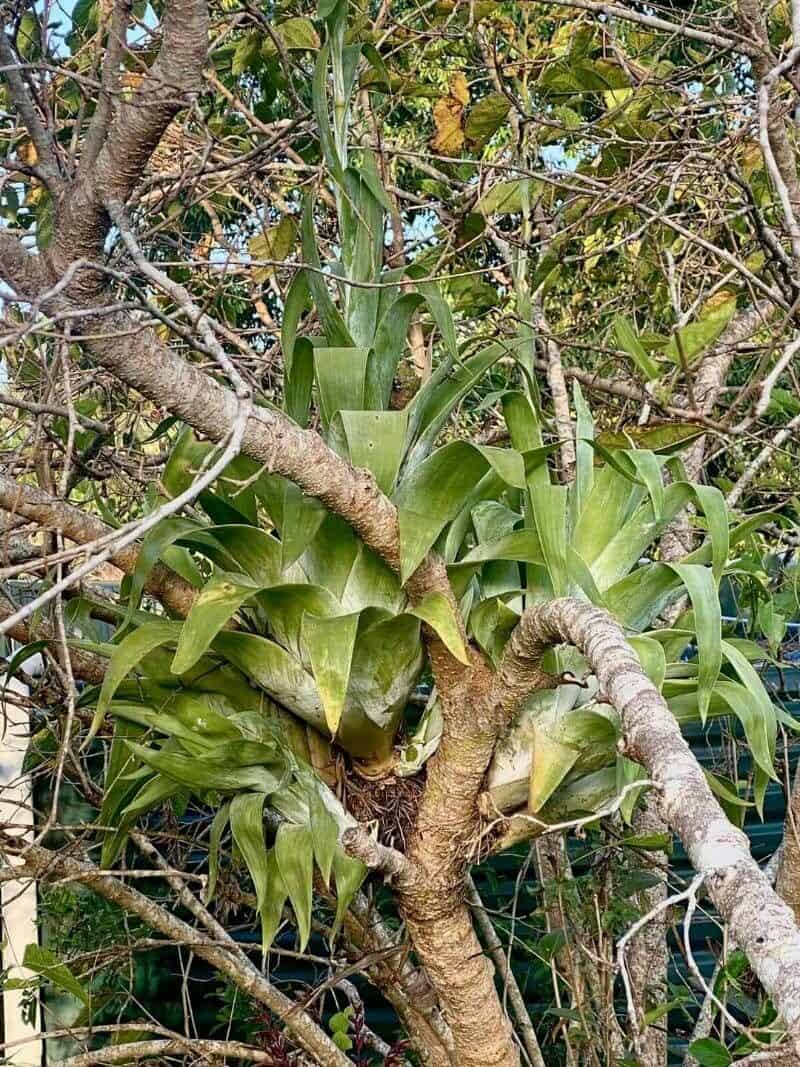
Unveiling the Mysteries of Multiplying Your Catopsis Compacta: A Guide to Propagation
The Catopsis compacta, fondly nicknamed the "Powder Flask Plant," is a captivating air plant with a unique charm. This epiphyte, native to Central and South America, fascinates with its silvery-green foliage and tendency to blush shades of pink under the right conditions. But what if you want to expand your miniature jungle with more of these beauties? This is where understanding the art of Catopsis compacta propagation comes into play!
Seeds vs. Pups: Choosing Your Propagation Path
While Catopsis compacta can technically be propagated by seed, it’s a notoriously challenging and time-consuming process. As such, pup propagation reigns supreme as the most effective and beginner-friendly method.
Pup Propagation: A Step-by-Step Guide to Success
"Pups" are essentially baby plants that sprout from the mother plant, ensuring genetic replication and a higher success rate. Here’s how to propagate your Catopsis compacta through pups:
- Identify Mature Pups: Wait patiently until the pups are at least a third the size of the mother plant. This indicates they’ve developed a sufficient root system for independent survival.
- Gently Detach: Using clean, sharp scissors or a sterile knife, carefully separate the pup from the mother plant. Aim for a clean cut close to the base, minimizing potential damage.
- Optional: Wound Healing: Although not mandatory, dusting the cut area of both the mother plant and the pup with cinnamon powder can help prevent fungal infections.
- Preparation is Key: Choose a well-ventilated container such as a terracotta pot with drainage holes, or a slatted wooden basket. Avoid enclosed glass containers as they can trap moisture and lead to rot.
- Mounting Medium Magic: Utilize a chunky, well-draining medium that mimics the plant’s natural epiphytic environment. A mix of sphagnum moss, bark chips, and perlite works wonders. Avoid using soil which can suffocate the roots.
- Secure the Pup: Gently nestle the pup into the chosen medium, ensuring the base is adequately supported but avoid burying the leaves. You can use wire, string, or even glue (aquarium-safe silicone is ideal) to secure the pup until its roots establish a firm grip.
- Location, Location, Location: Place your newly potted pup in a bright location with indirect sunlight. Avoid direct sun exposure, as it can scorch the delicate leaves.
- Watering Wisdom: Mist your pup every 2-3 days, ensuring adequate airflow to prevent rot. You can also briefly soak the entire plant in room temperature water for 20-30 minutes once a week. Always allow the plant to dry completely between waterings.
- Patience is a Virtue: It might take several weeks for the pup to establish its roots fully. Resist the urge to repot or overwater during this crucial period.
Troubleshooting Tips for Thriving Pups:
- Rotting Pups: Overwatering is the primary culprit. Ensure proper air circulation and adjust watering frequency based on your environment’s humidity.
- Shriveling Pups: Insufficient watering or excessive sun exposure can lead to dehydration. Increase misting frequency and provide some shade.
- Slow Growth: Lack of light or nutrients might be the issue. Adjust the plant’s location and consider a diluted orchid fertilizer applied sparingly.
Propagating your Catopsis compacta is a rewarding experience that lets you expand your collection while deepening your connection with these fascinating air plants. By following these tips and exercising patience, you’ll soon enjoy a thriving cluster of "Powder Flask Plants," each echoing the beauty of its parent.