
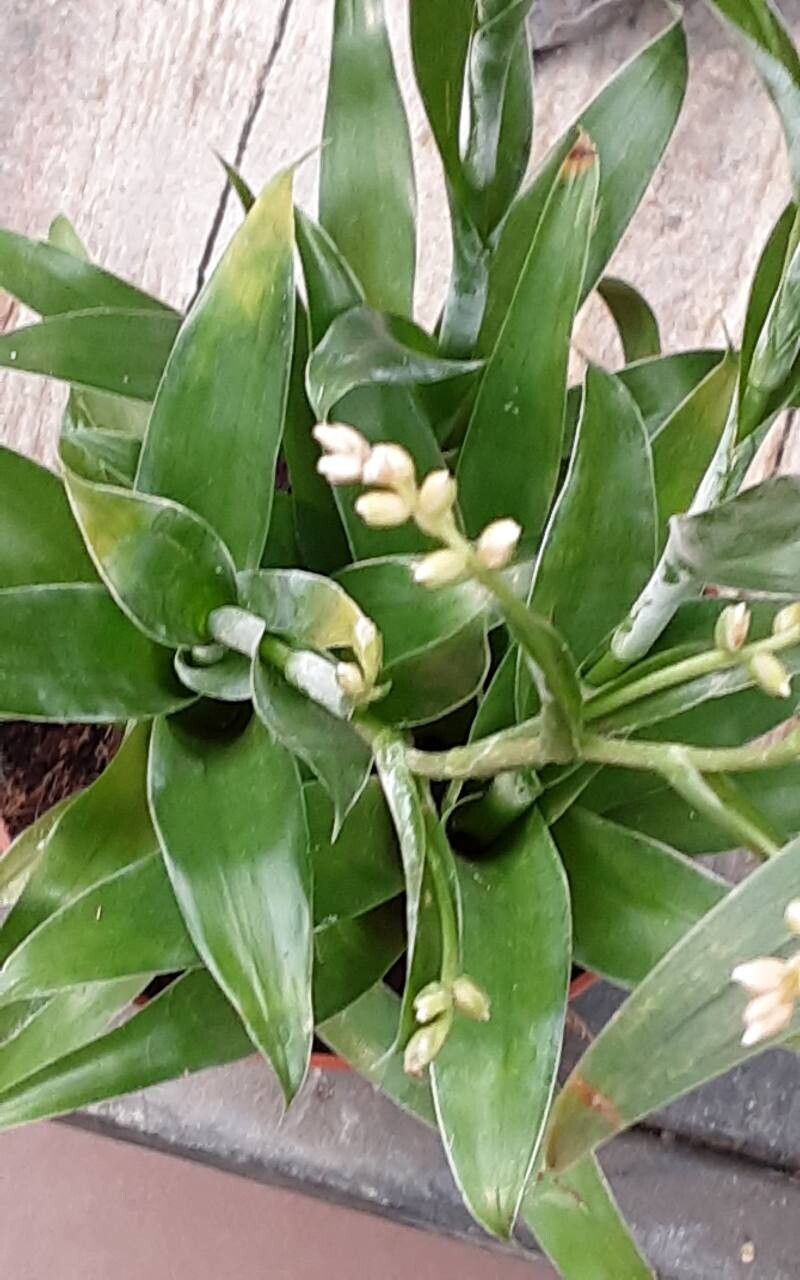
Propagating Catopsis sessiliflora: A Guide to Growing the Air Plant
Catopsis sessiliflora, commonly known as the “Sessile Catopsis” or, less commonly, simply “Catopsis,” is a fascinating epiphytic bromeliad native to the Caribbean and parts of Central and South America. Its vibrant green, strap-like leaves form a rosette, while its unique characteristic lies in its ability to capture insects, though not to the same extent as more carnivorous bromeliads. This intriguing aspect, coupled with its relative ease of care (compared to some other bromeliads), has contributed to its growing popularity among indoor plant enthusiasts. However, propagating Catopsis sessiliflora presents unique challenges, making successful cultivation a rewarding achievement.
Seed Germination:
Currently, there are no known reliable methods for seed germination propagation of Catopsis sessiliflora. While the plant does produce seeds, germination rates are extremely low under typical cultivation conditions. Research into specific germination requirements, such as light intensity, temperature, and humidity, is lacking. Therefore, this method is not recommended for the average home propagator.
Cuttings:
Propagating Catopsis sessiliflora via cuttings is also unreliable. While some bromeliads can be propagated from leaf cuttings, Catopsis sessiliflora lacks the ability to regenerate from leaf or stem sections. Attempts at propagation through leaf or stem cuttings have consistently failed to produce viable plants.
Division:
Division offers the most promising method for propagating Catopsis sessiliflora. Mature, well-established plants occasionally produce offsets – also known as “pups” – at the base. These pups develop their own root systems and can be carefully separated from the mother plant.
Challenges: Offsets are infrequent, and separating them requires delicate handling to avoid damage to both the parent plant and the pup. The pup needs to be of a sufficient size (several leaves and visible roots).
Techniques: Using a sharp, sterile knife or scissors, carefully sever the offset from the mother plant, ensuring a clean cut. Allow the cut surfaces to callus slightly before potting in a well-draining soil mix similar to that of the parent plant (e.g., a mix of orchid bark, perlite, and sphagnum moss).
Rewards: Division provides a relatively high success rate for propagation, resulting in genetically identical plants to the parent.
Tissue Culture:
Tissue culture offers a potential avenue for generating numerous Catopsis sessiliflora plants from a small sample. However, this method requires specialized laboratory equipment, skills, and sterile conditions. It’s also currently not a widely practiced method for this specific species, meaning establishing optimal protocols requires research and experimentation.
Challenges: The technical expertise required, cost of equipment, and need for sterile environments make this method inaccessible to most home propagators.
Techniques: This would involve sterilizing plant tissue, culturing it on nutrient agar, and then transferring to growing media once plantlets develop.
Rewards: Tissue culture allows for large-scale propagation and can be used to preserve genetic diversity.
Conclusion:
Propagating Catopsis sessiliflora presents significant challenges. While division offers the most readily available method for the amateur grower, success depends on obtaining a mature plant producing offsets. Seed germination and cuttings are currently unreliable. Tissue culture holds promise for large-scale propagation but remains inaccessible to most individuals. The difficulties involved underscore the unique satisfaction derived from successfully cultivating this plant. The patience and attention to detail needed are handsomely rewarded when a propagated Catopsis sessiliflora thrives, a testament to the grower’s skill and the plant’s resilience. For aspiring propagators, focusing on the division technique, selecting a healthy and mature parent plant, and providing careful post-separation care are key to success.