
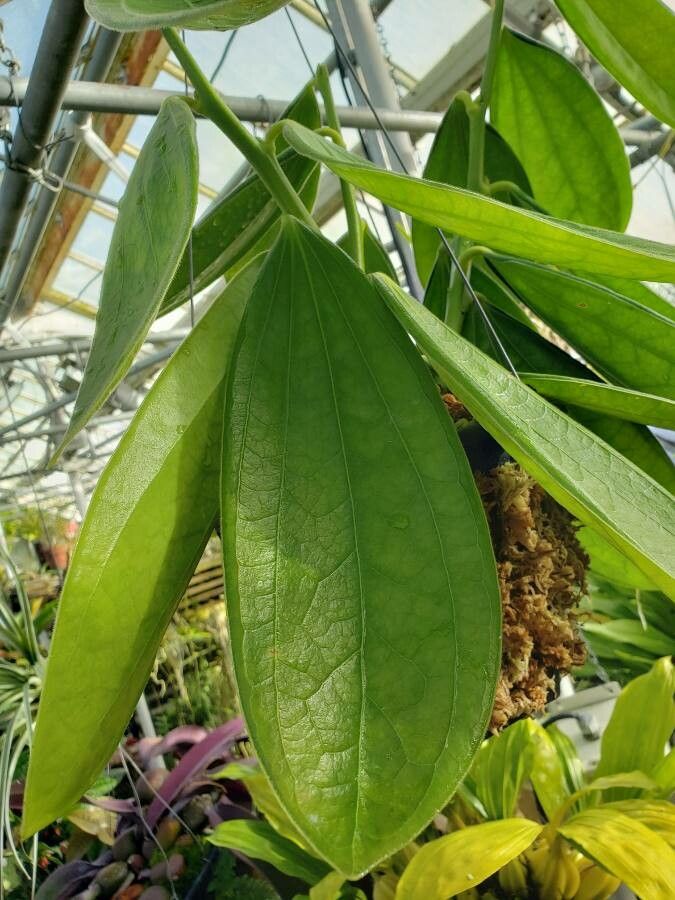
Unlocking the Secrets of Cavendishia grandifolia: A Propagation Primer
Cavendishia grandifolia, with its cascading clusters of vibrant, bell-shaped flowers and lush foliage, is a sight to behold. This tropical beauty, native to the cloud forests of the Andes, adds a touch of exotic allure to any garden fortunate enough to host it. But while admiring its beauty is easy, propagating Cavendishia grandifolia can seem like a gardener’s enigma. Fear not, fellow plant enthusiasts, for we’re about to unlock the secrets to successfully multiplying this captivating species!
Understanding the Challenge
Cavendishia grandifolia, like many members of the Ericaceae family, can be slow-growing and somewhat finicky when it comes to propagation. The key is to mimic its natural environment as closely as possible and provide the right conditions for successful rooting.
Two Paths to Propagation
There are two primary methods for propagating Cavendishia grandifolia:
1. Seed Propagation: While possible, this method is less reliable and requires a good deal of patience. The seeds are incredibly fine, almost dust-like, and have a low germination rate. If you’re up for the challenge, here’s what to do:
- Source fresh seeds: Obtain seeds from a reputable supplier or carefully collect them from ripe berries.
- Prepare the soil: Use a well-draining, acidic seed starting mix (similar to that used for orchids or rhododendrons).
- Sow superficially: Scatter the seeds on the surface and lightly press them in. Do not bury them.
- Provide warmth and humidity: Place the seed tray in a warm, humid environment with indirect light. A propagator with bottom heat can be beneficial.
- Be patient: Germination can take several weeks to months.
2. Semi-Hardwood Cuttings: This method tends to be more successful and yields quicker results than seed propagation:
- Timing is key: Take cuttings during the active growing season, ideally in late spring or early summer.
- Select healthy stems: Choose semi-hardwood stems, which are firm but not completely woody. They should be about 4-6 inches long, with at least two nodes.
- Prepare the cuttings: Remove the lower leaves to expose the nodes. Dip the cut end in rooting hormone (optional but helpful).
- Potting up: Plant the cuttings in a well-draining, acidic potting mix. Keep the soil consistently moist but not waterlogged.
- Encourage rooting: Cover the pot with a plastic bag or humidity dome to create a warm, humid environment. Place it in a bright location out of direct sunlight.
Cultivating Success: Tips for Thriving Cuttings
- Patience, young Padawan: Rooting can take several weeks. Avoid the temptation to tug on the cuttings as this can damage developing roots.
- Light but Right: Provide bright, indirect light. Avoid direct sunlight, which can scorch the delicate cuttings.
- Moisture Mastery: Maintain consistently moist soil, but avoid overwatering, which can lead to root rot.
- Fresh Air Fridays: Once a week, remove the humidity dome for a few hours to allow for air circulation and prevent fungal issues.
Patience is a Virtue (and Essential for Propagation!)
Whether you choose seeds or cuttings, propagating Cavendishia grandifolia requires patience and a gentle touch. By carefully replicating its preferred environment, you’ll increase your chances of success and soon be rewarded with these exquisite plants to grace your garden or home. Don’t be disheartened by initial attempts – even experienced gardeners may need a few tries to perfect the process with this captivating yet somewhat demanding species.