
Spreading the Beauty: How to Propagate Ceanothus Diversifolius
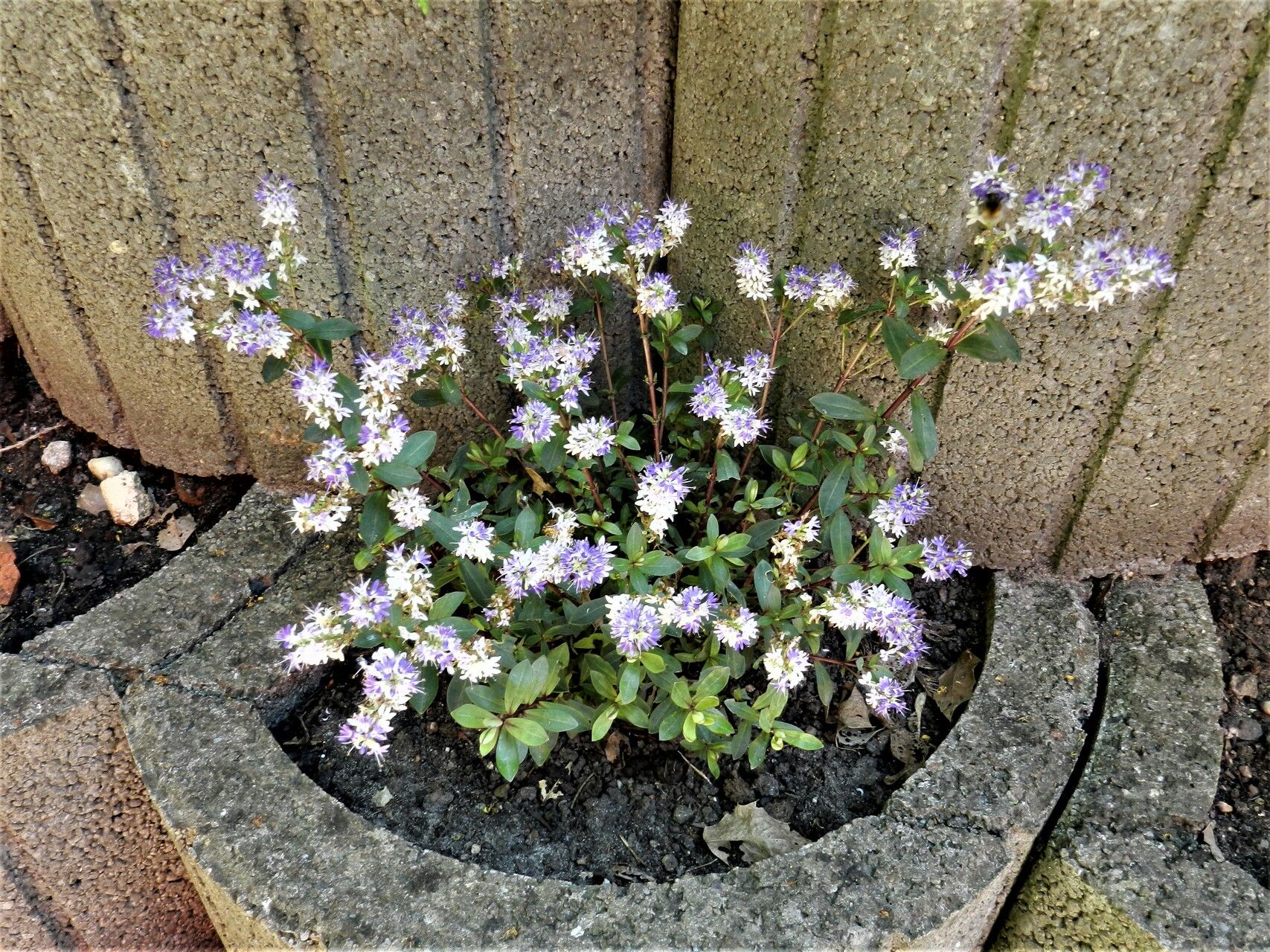
Ceanothus diversifolius, also known as the “California Lilac,” is a captivating shrub with beautiful blue flowers and fragrant foliage. Its bright blue blooms add a burst of color to any garden and attract pollinators like bees and butterflies. If you’re lucky enough to have one of these beauties in your garden, you might be wondering how to share its charm with friends or even expand your own collection. The good news is, propagating Ceanothus diversifolius is relatively easy and can be done using a few simple techniques.
Understanding the Plant’s Nature:
Before we delve into the propagation methods, it’s essential to understand how Ceanothus diversifolius grows. This shrub is a member of the buckthorn family and is native to the western United States. It thrives in well-drained soil and enjoys full sun to partial shade. Knowing these factors will help you create the ideal conditions for successful propagation.
The Preferred Propagation Methods:
1. Seed Propagation:
- Timing: Sow seeds in the early spring.
- Process:
- Scarification: Ceanothus diversifolius seeds have a hard seed coat that needs to be scarified (weakened) to encourage germination. You can do this by nicking the seed coat with a sharp knife or sandpaper.
- Stratification: After scarification, it’s beneficial to cold stratify the seeds for 30-60 days. This simulates the natural winter conditions the seeds would experience in their native habitat. Wrap the seeds in a damp paper towel and store them in a refrigerator.
- Sowing: Sow the seeds in a seed tray filled with a mix of peat moss and perlite. Cover the seeds lightly with soil and keep the soil moist.
- Germination: Seeds will typically germinate within a few weeks, but some may take longer. Once the seedlings have a few sets of true leaves, you can transplant them into individual pots.
- Timing: Take cuttings in the spring or early summer when the new wood is soft and pliable.
- Process:
- Cuttings: Take 4-6 inch cuttings from the current year’s growth. Ensure each cutting includes at least one node (where the leaves grow).
- Preparation: Remove the bottom leaves and dip the base of the cutting into a rooting hormone.
- Planting: Fill a pot with a well-draining potting mix and insert the cuttings into the moist soil, making sure the node is buried beneath the soil.
- Care: Mist the cuttings regularly and keep them in a warm, humid location. You can use a propagator dome to help maintain humidity.
- Roots: Cuttings should develop roots within 4-6 weeks. Once they have established roots, you can transplant them into larger pots or directly into the garden.
3. Layering:
- Timing: This technique can be done in late spring or early summer.
- Process:
- Layering: Select a flexible branch and bend it to the ground. Secure it in place with a piece of wire or rock. Make a small cut on the underside of the branch, just above the soil.
- Root Formation: Cover the cut area with a bit of potting soil and keep the soil moist. Roots will begin to emerge from the wound.
- Separation: Once the new growth has developed a good root system (typically after a year), you can cut the rooted branch from the parent plant and transplant it.
Tips for Success:
- Watering: Keep your cuttings and seedlings consistently moist, but avoid overwatering.
- Light: Ceanothus diversifolius needs plenty of sunlight, particularly for seed germination and root development.
- Soil: Use a well-draining potting mix that is rich in organic matter.
- Fertilizer: Avoid excessive fertilization, as it can inhibit root development.
Enjoy the Fruits of Your Labor:
By following these simple propagation methods, you can easily expand your collection of Ceanothus diversifolius and share its beauty with others. Whether you opt for seeds, cuttings, or layering, be patient and persistent—the reward will be a vibrant, flourishing shrub that will bring joy to your garden for years to come.