
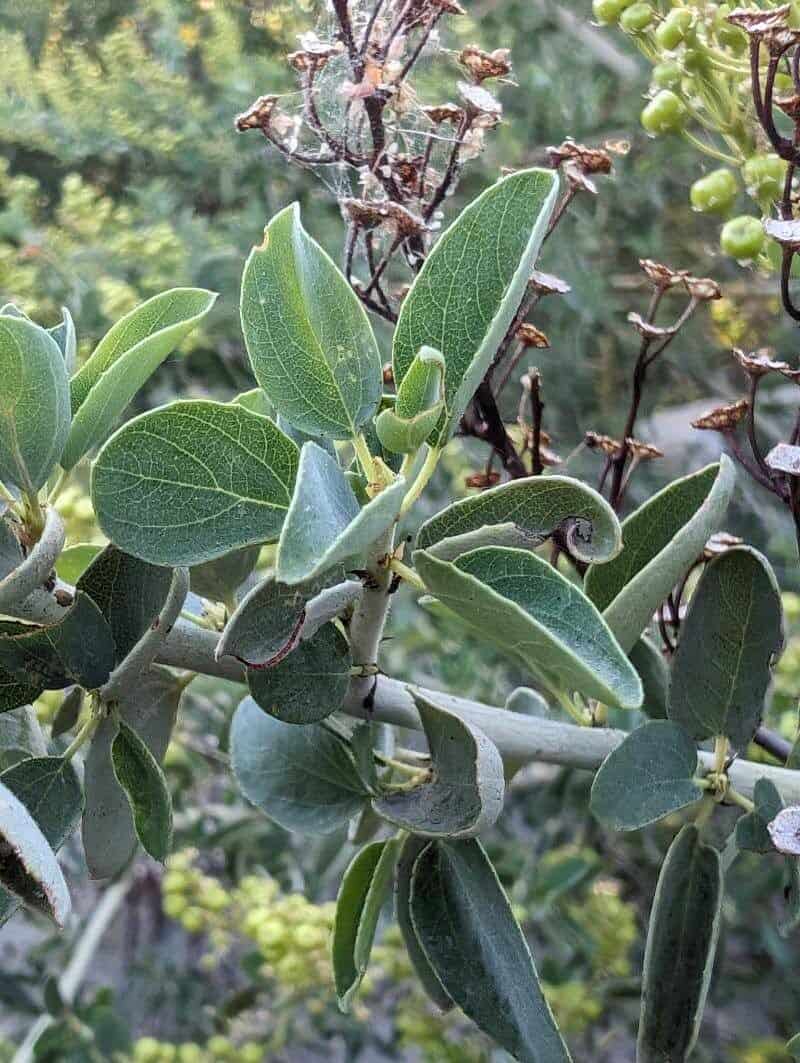
Unveiling the Secrets: Propagating the Beautiful Ceanothus leucodermis
The Ceanothus leucodermis, more affectionately known as the Chaparral Whitethorn, is a California native prized for its clusters of delicate, fragrant white flowers that erupt in a springtime spectacle. This drought-tolerant evergreen shrub, with its spiny, grayish-green foliage, adds a touch of wild beauty to gardens, attracting pollinators and providing visual interest year-round.
While finding this California native in your local nursery can sometimes be a challenge, propagating your own Ceanothus leucodermis is a rewarding endeavor. Let’s explore the methods that will have you welcoming new additions to your garden:
1. Seed Propagation: A Test of Patience
Propagating Ceanothus leucodermis from seed requires patience, as it can be a bit more involved than other methods. However, it offers a sense of accomplishment and allows you to witness the plant’s entire life cycle:
- Seed Collection and Preparation: Collect ripe seed pods in late summer or fall. Scarify the seeds by gently rubbing them between two pieces of sandpaper. This process weakens the tough outer coating, making germination easier.
- Cold Stratification: Mimic nature by placing the scarified seeds in a moist paper towel inside a sealed plastic bag. Store them in the refrigerator for 6-8 weeks. This cold stratification period helps break their dormancy.
- Sowing the Seeds: Once stratified, sow the seeds in a well-draining seed-starting mix. Cover them lightly with soil and keep the medium consistently moist but not soggy. Place the tray in a warm, bright location, out of direct sunlight.
- Patience is Key: Germination can be erratic, taking anywhere from a few weeks to several months. Once the seedlings have developed a few true leaves, they can be carefully transplanted into individual pots.
2. Semi-Hardwood Cuttings: Quicker Rewards
For a quicker and potentially more successful propagation method, consider semi-hardwood cuttings:
- Timing is Everything: Take your cuttings in late summer or early fall, ideally after the plant has finished flowering.
- Selecting the Cuttings: Choose healthy, non-flowering stems that are beginning to harden. Using clean, sharp pruning shears, take cuttings about 4-6 inches long, making a clean cut just below a leaf node.
- Prepare the Cuttings: Remove the lower leaves from the bottom two inches of the cutting. Dip the cut end in rooting hormone powder to encourage root development.
- Planting and Care: Plant the cuttings in a well-draining potting mix. Keep the medium consistently moist. Cover the pot with a clear plastic bag or humidity dome to create a warm, humid environment.
3. Layering: A Natural Approach
Layering is a simple and often successful propagation technique, particularly for shrubs like Ceanothus leucodermis:
- Select a Flexible Branch: In spring, choose a low-growing, healthy branch. Gently wound the branch by making a small cut or scrape about 6-12 inches from the tip.
- Bury the Branch: Bend the wounded portion of the branch down to the ground and bury it in a shallow trench. Use a small rock or landscape pin to secure the branch in place.
- Patience and Separation: Keep the soil consistently moist. Roots should develop from the wounded area within a year. Once rooted, carefully separate the new plant from the parent plant and transplant it to its desired location.
Key Tips for Success:
- Well-Draining Soil: Ceanothus leucodermis thrives in well-draining soil. Avoid overwatering, as soggy conditions can lead to root rot.
- Sunlight Requirements: Provide your new plants with ample sunlight. They prefer at least six hours of direct sunlight per day for optimal growth and flowering.
By following these propagation tips, you can cultivate your own thriving Ceanothus leucodermis shrubs. Enjoy the process of nurturing these beautiful plants from seed, cutting, or layer, and watch as they grace your garden with their delicate beauty for years to come.