
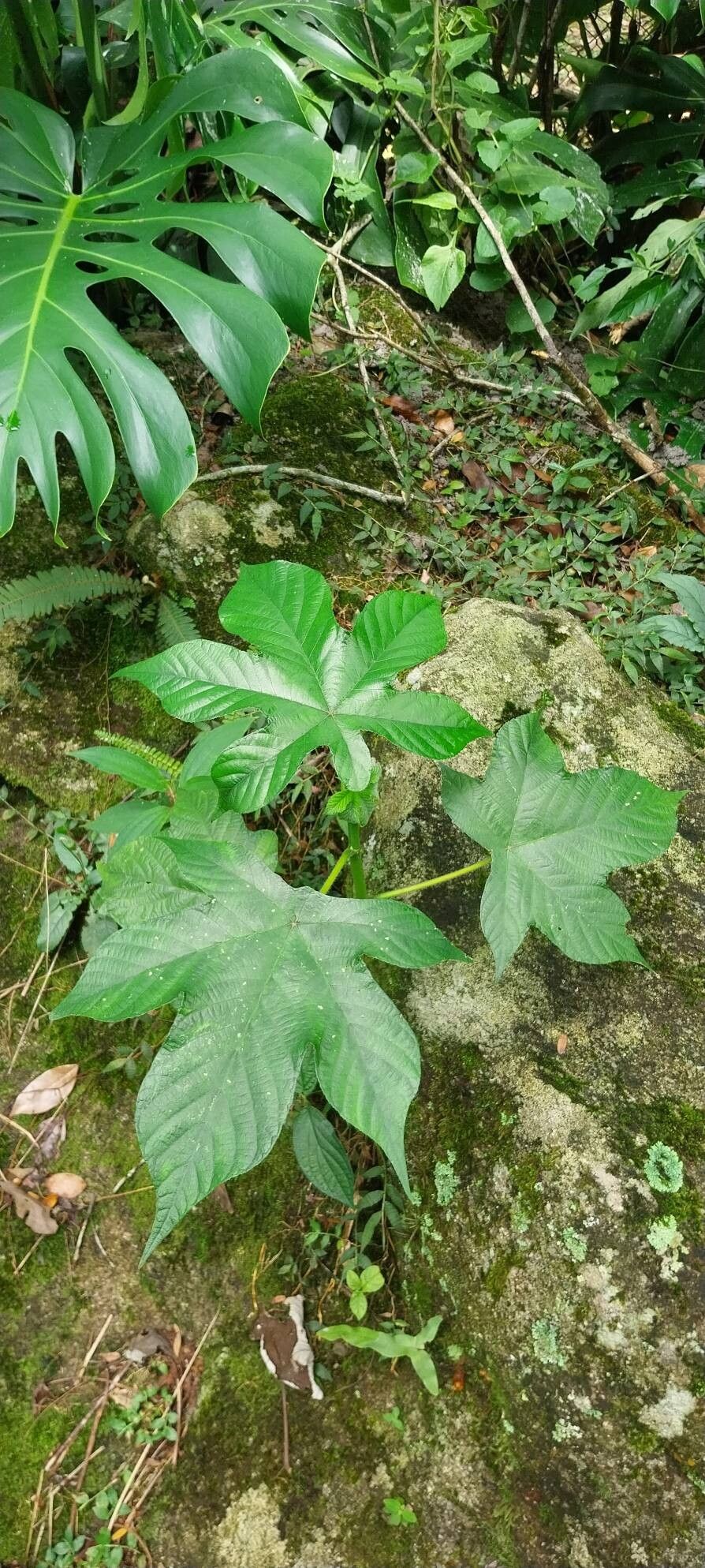
Propagating Cecropia albicans: A Guide for the Aspiring Cultivator
Introduction
Cecropia albicans, also known as the white Cecropia or guarumo, is a striking fast-growing tree native to tropical and subtropical regions of the Americas. Characterized by its large, palmate leaves and hollow, light-colored stems, it’s a popular choice among gardeners for its dramatic appearance and the ecological benefits it provides, serving as a host plant for various butterfly and moth species. Its rapid growth also makes it valuable for reforestation projects. However, its propagation presents unique challenges, warranting a detailed exploration of different methods.
Seed Germination
Currently, there are no known reliable methods for seed germination propagation of Cecropia albicans. While the plant does produce seeds, their viability is extremely low, and germination rates are reported to be negligible under typical horticultural conditions. Further research is needed to identify suitable pre-treatment techniques or germination stimulants.
Cuttings
Cuttings offer a more promising approach to propagate Cecropia albicans.
Challenges: Success with stem cuttings depends on several factors, primarily the timing (best during the plant’s active growth period), the type of cutting (semi-hardwood or hardwood cuttings perform better than softwood), and the application of rooting hormones. Decay and fungal diseases can be significant problems.
Practical Tips: Take cuttings of approximately 10-15 cm in length, removing lower leaves and treating the base with a rooting hormone before planting in a well-draining, moist propagating mix (e.g., perlite and peat moss). Maintain high humidity (e.g., using a plastic bag or humidity dome) and warmth until roots develop (this can take several weeks).
Rewards: Cuttings deliver a high success rate compared to other methods, allowing for faster establishment of new plants and the preservation of desirable traits from the parent plant.
Division
Division is generally not a practical method for propagating Cecropia albicans. This species does not readily produce suckers or offsets.
Tissue Culture
Tissue culture presents a potential avenue for large-scale propagation of Cecropia albicans, but it is a complex and technically demanding procedure.
Challenges: Establishing sterile culture conditions and developing optimal media formulations are crucial for success. This method requires specialized equipment and expertise, making it less accessible to home gardeners. Aseptic techniques are of paramount importance to avoid contamination and loss of plant materials.
Practical Tips: Establishing aseptic conditions is critical, requiring a laminar flow hood and sterile media. Selecting suitable explant material (e.g., nodal segments) also influences success rates.
Rewards: Tissue culture provides the means for mass propagation, allowing the production of a large number of genetically identical plants, avoiding the reliance on seeds or cuttings where viability and success rate can be unpredictable.
Conclusion
Propagating Cecropia albicans presents unique challenges across all methods, with cuttings offering the most practical approach for the average gardener. Seed germination currently proves unreliable, division is impractical, and tissue culture is complex and resource-intensive. The rewards, however, are significant: successfully cultivating this beautiful and ecologically important tree brings a unique sense of accomplishment. The patience and diligence required to overcome the propagation hurdles are rewarded with the vibrant growth and ecological contribution of this magnificent species. For aspiring propagators, focusing on the techniques for healthy cutting propagation, combined with a willingness to experiment and learn, will pave the way to cultivating this impressive tree.