
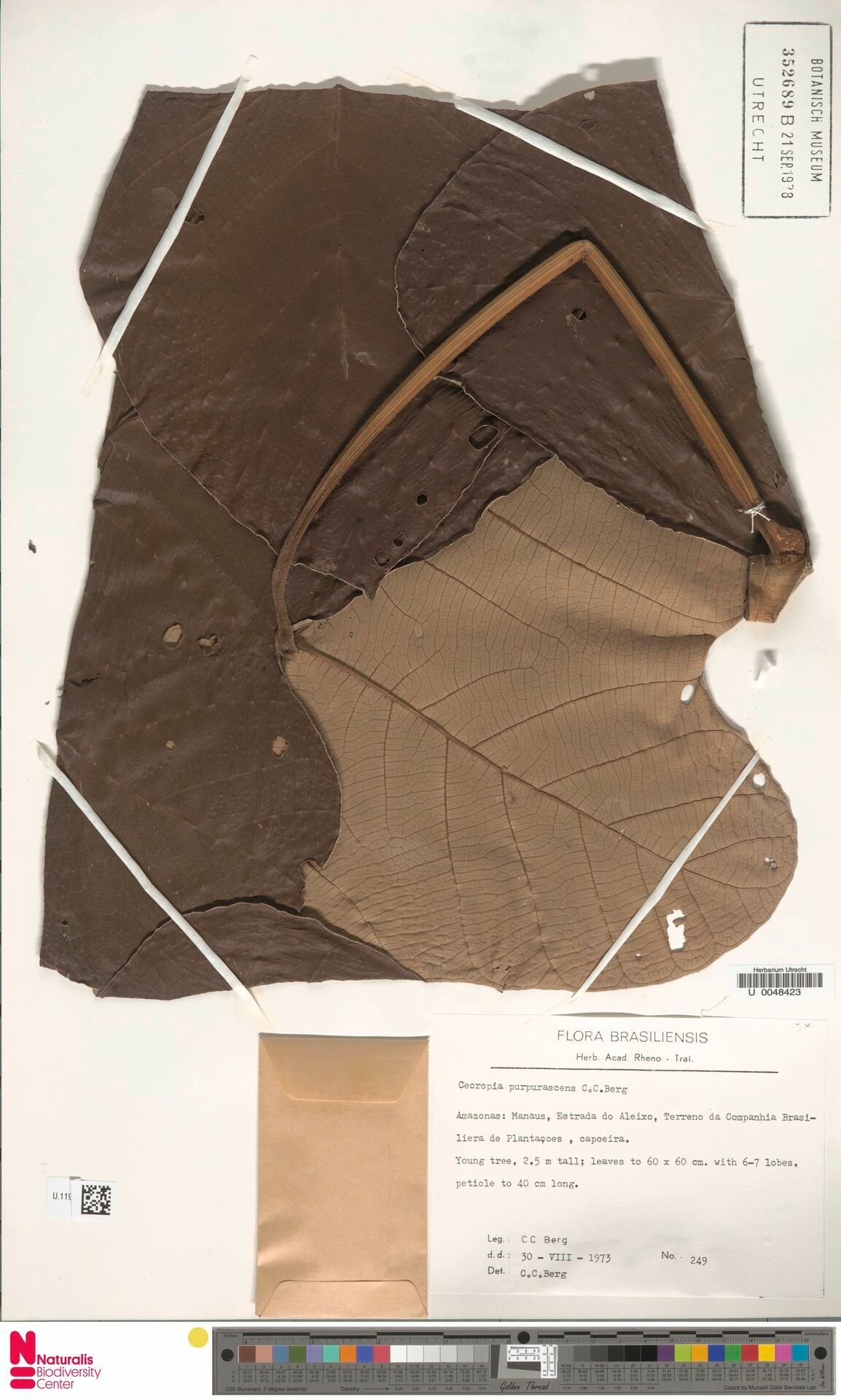
Propagating Cecropia purpurascens: A Gardener’s Guide to the Trumpet Tree
Cecropia purpurascens, commonly known as the purple-stemmed Cecropia or trumpet tree, is a striking fast-growing tree native to the Neotropics. Its hollow stems, large palmate leaves, and vibrant purple-tinged young growth make it a popular choice among gardeners seeking a dramatic focal point, especially in tropical and subtropical landscapes. Its quick growth rate and potential to reach considerable height also attracts those interested in establishing a small forest garden or shelterbelt rapidly. However, its propagation can prove challenging, requiring understanding of different techniques and their associated nuances.
Seed Germination:
Currently, there are no known reliable methods for seed germination propagation of Cecropia purpurascens. While the plant produces seed, successful germination rates are extremely low in controlled environments, likely due to factors like short seed viability and specific microclimate requirements not easily replicated. Further research into specific seed treatment methods, perhaps involving pre-sowing stratification or the use of specific germination media, would be needed to establish a viable seed germination protocol.
Cuttings:
Cuttings represent a more reliable propagation method for Cecropia purpurascens.
Challenges: Success rates can be variable depending on the timing (ideally during the active growing season), the type of cutting (semi-hardwood cuttings are generally preferred), and the rooting hormone used. The large leaves can lead to excessive transpiration, potentially hindering rooting.
Practical Tips: Take semi-hardwood cuttings (approximately 6-8 inches long) from healthy, actively growing stems. Dip the cut ends in a rooting hormone solution before planting in a well-draining mix (e.g., a perlite and peat moss blend). Maintain high humidity using a propagation dome or plastic bag, and ensure consistent moisture but avoid overwatering. Bottom heat can improve rooting success.
Rewards: Cuttings offer a relatively straightforward method to produce genetically identical offspring from a desirable parent plant, maintaining its specific traits. This method is well-suited for smaller-scale propagation.
Division:
Division is not a suitable method for propagating Cecropia purpurascens. The plant’s growth habit doesn’t lend itself to division; it doesn’t produce readily separable offshoots or suckers like some other plants.
Tissue Culture:
Tissue culture provides a potentially high-yield method for propagating Cecropia purpurascens.
Challenges: This method requires specialized equipment, aseptic techniques, and a substantial investment in time and resources. Developing an effective protocol for Cecropia purpurascens may involve experimentation to determine the optimal media, growth hormones, and other cultural conditions.
Practical Tips: This method is best left to specialist nurseries or research institutions with the necessary infrastructure and expertise.
Rewards: Tissue culture allows for rapid and large-scale multiplication of genetically uniform plants, making it suitable for commercial production or conservation efforts.
Conclusion:
Propagating Cecropia purpurascens presents unique challenges. While seed germination appears impractical currently, cuttings offer a relatively accessible method for home gardeners, albeit with variable success. Tissue culture presents the most promising method for large-scale propagation but requires specialized knowledge and resources. The rewards, however, are well worth the effort. Successfully propagating this striking tree provides a profound sense of satisfaction, especially considering the often-elusive nature of its propagation. The vibrant growth and imposing stature of a successfully propagated Cecropia purpurascens are a testament to the gardener’s patience and skill, offering a reward far beyond the beauty of the plant itself. Aspiring propagators should start with cuttings, mastering the technique before potentially exploring more advanced methods. Remember patience and persistence are key; every failed attempt brings you closer to mastering this impressive plant’s cultivation.