
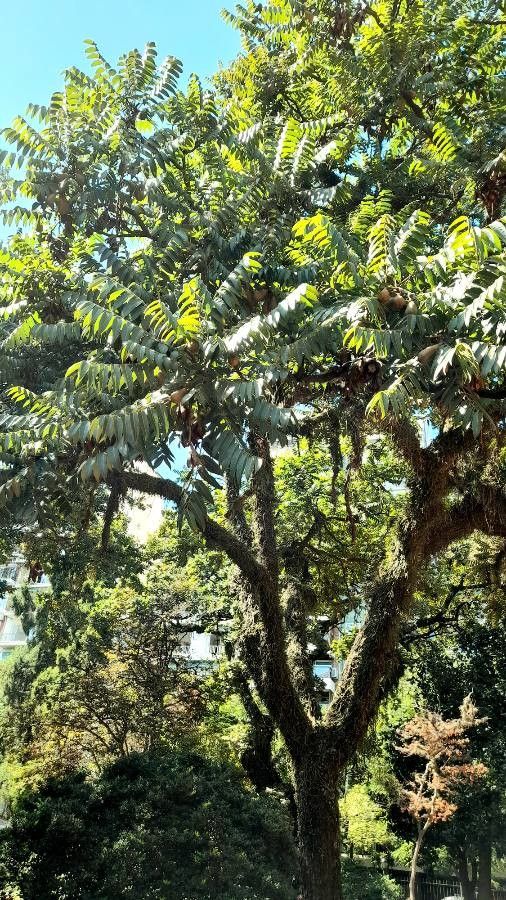
Unlocking the Secrets of Cedro: A Guide to Propagating Cedrela fissilis
The Cedro, scientifically known as Cedrela fissilis, is a majestic tree native to South America renowned for its beautiful reddish wood and significant ecological role. Whether you are an experienced green thumb or a budding nature enthusiast, propagating Cedro can be a rewarding experience. This guide will equip you with the knowledge to successfully propagate Cedrela fissilis and contribute to the growth of this magnificent species.
Two Paths to Propagation: Seeds and Cuttings
Cedro offers two primary methods of propagation:
Seed Propagation: This method involves germinating seeds collected from mature Cedro trees.
- Cutting Propagation: This technique involves taking cuttings from healthy branches and encouraging them to develop roots.
Method 1: Sowing the Seeds of Success
- Seed Collection and Preparation: Collect mature fruit capsules from a healthy Cedro tree during the fruiting season (typically late summer to early fall). Extract the winged seeds from the capsules and allow them to dry for a few days in a cool, shaded area.
- Sowing the Seeds: Sow the seeds in a well-draining potting mix, lightly pressing them into the surface. Mist the soil gently and keep it consistently moist but not waterlogged.
- Providing Optimal Conditions: Place the seed tray in a warm, bright location with indirect sunlight. A temperature around 70-75°F (21-24°C) is ideal for germination.
- Germination Time: Be patient, as Cedro seeds can take anywhere from 2 weeks to 2 months to germinate.
- Transplanting the Seedlings: Once the seedlings have developed a few sets of true leaves, they can be transplanted into individual pots or directly into the ground, ensuring proper spacing.
Method 2: A Cut Above with Cuttings
- Taking the Cuttings: During the early growing season (spring to early summer), select healthy, non-flowering branches from a mature Cedro tree. Ideally, choose branches that are about 6-8 inches long and have a diameter of 1/4 to 1/2 inch.
- Preparing the Cuttings: Remove leaves from the lower half of the cutting and wound the base slightly using a sharp, sterilized knife. This wound will encourage root development.
- Hormonal Boost: Dip the wounded end of the cutting in a rooting hormone powder or liquid to promote root growth.
- Planting the Cuttings: Plant the prepared cuttings in a pot filled with a well-draining rooting medium such as perlite or a mix of peat moss and sand.
- Creating a Humid Environment: Cover the pot with a plastic bag or create a humidity dome to retain moisture and encourage rooting.
- Rooting Time: Within 4-8 weeks, the cuttings should develop a healthy root system. You can gently tug on the cutting to check for resistance, which indicates rooting.
- Transplanting Rooted Cuttings: Once rooted, transplant the cuttings into larger pots or directly into the ground, ensuring proper spacing.
Caring for Your Cedro
Whether you choose to propagate from seeds or cuttings, provide your Cedro with:
- Well-draining soil: Cedro trees prefer well-draining soil that is slightly acidic to neutral in pH.
- Regular watering: While Cedro trees are somewhat drought-tolerant once established, they benefit from regular watering, especially during dry periods.
- Adequate sunlight: Cedro thrives in full sun to partial shade.
- Protection from frost: While mature Cedro trees can tolerate some frost, young trees are more susceptible to frost damage. Protect them during colder months.
Propagating Cedrela fissilis – A Rewarding Endeavor
By successfully propagating Cedrela fissilis, you contribute to the conservation of this valuable species and get to witness the remarkable growth journey of a majestic tree. Whether you choose the seed or cutting method, the experience promises a deep connection to nature and the satisfaction of cultivating a new generation of Cedro trees.