
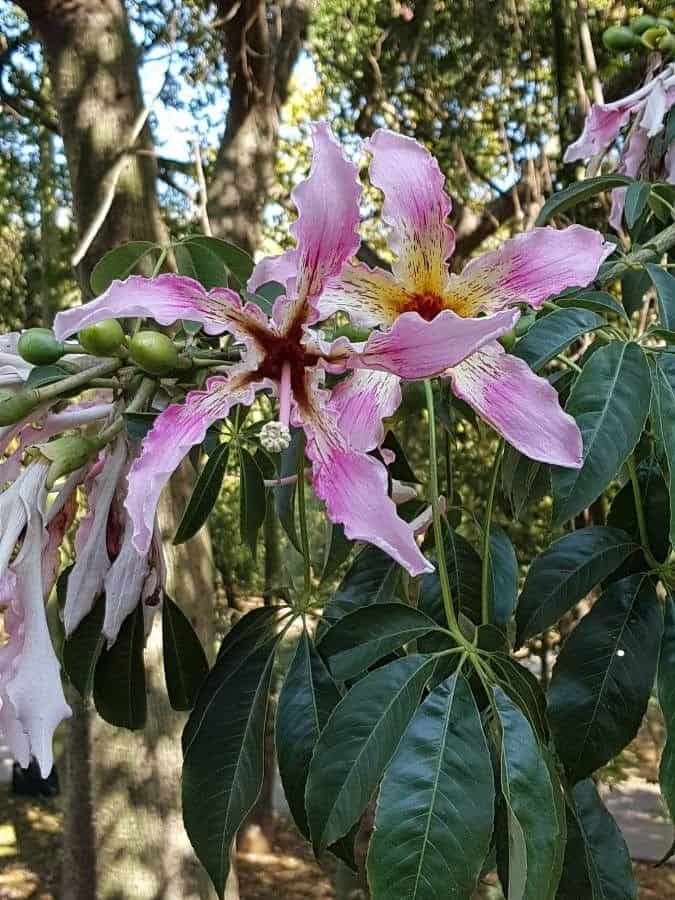
Taming the Floss Silk Tree: A Guide to Propagating Ceiba Speciosa
The Ceiba speciosa, better known as the Floss Silk Tree, is an undeniable showstopper. With its imposing, bottle-shaped trunk, vibrant pink flowers, and fascinating seed pods bursting with fluffy “kapok” fibers, it’s a guaranteed conversation starter in any landscape. But did you know that this striking tree, native to South America, can be propagated at home?
While cultivating this majestic tree requires some patience, the process is surprisingly achievable for both beginner and seasoned gardeners alike. Let’s explore the two most common methods of propagating Ceiba speciosa:
1. Seed Propagation: Embracing the Element of Surprise
For those who enjoy a touch of the unknown, seed propagation offers an exciting journey. Ceiba speciosa seeds are typically found nestled within the fluffy kapok fibers of the mature seed pods.
Here’s how to coax them to life:
- Extraction and Preparation: Gently remove the seeds from the kapok fibers. Soaking the seeds in warm water for 24 hours before sowing can help soften the outer shell and promote germination.
- Sowing: Plant your seeds in a well-draining seed-starting mix, burying them approximately half an inch deep.
- Environment: Place the seed tray in a warm, bright location, out of direct sunlight. Maintaining a consistent temperature around 70-75°F (21-24°C) is ideal.
- Patience is Key: Germination can take anywhere from a few weeks to a couple of months. Ensure the soil remains consistently moist but not waterlogged.
- Transplanting: Once the seedlings have developed a strong root system and several sets of true leaves, they can be transplanted into larger pots or directly into the ground.
Important Note: While seed propagation is relatively straightforward, be aware that the resulting trees may exhibit slight variations in flower color and growth habit due to the genetic diversity of seeds.
2. Cutting Propagation: Ensuring True-to-Type Replicas
If you’re seeking to replicate the exact characteristics of a particular Ceiba speciosa, propagating from cuttings is the way to go. This method offers a higher success rate and produces clones of the parent plant.
Here’s a step-by-step guide:
- Timing is Everything: Take cuttings during the active growing season, ideally in late spring or early summer.
- Selecting the Right Cuttings: Choose healthy, semi-hardwood stems that are about 4-6 inches long and have at least 2-3 nodes.
- Preparing the Cuttings: Remove the leaves from the lower half of the cutting. Dipping the cut end in rooting hormone can significantly increase the chances of successful rooting.
- Planting: Insert the prepared cuttings into a well-draining rooting medium, such as a mixture of perlite and peat moss.
- Creating a Humid Environment: Cover the cuttings with a plastic bag or humidity dome to create a warm, moist environment. This encourages root development.
- Monitoring and Care: Keep the rooting medium consistently moist and ensure the cuttings receive indirect sunlight.
- Transplanting: After about 6-8 weeks, gently tug on the cuttings. If you feel resistance, it indicates root development. You can then transplant the rooted cuttings into larger pots or your garden.
A Final Word of Advice: Regardless of your chosen propagation method, remember that Ceiba speciosa thrives in well-drained soil, full sun, and warm climates. With proper care and attention, you’ll be rewarded with a magnificent tree that will grace your landscape for years to come. So, why wait? Embark on your Ceiba speciosa propagation journey today and witness the magic of nature unfold!