
Seeding Success: How to Propagate the Majestic Celtis australis (European Nettle Tree)
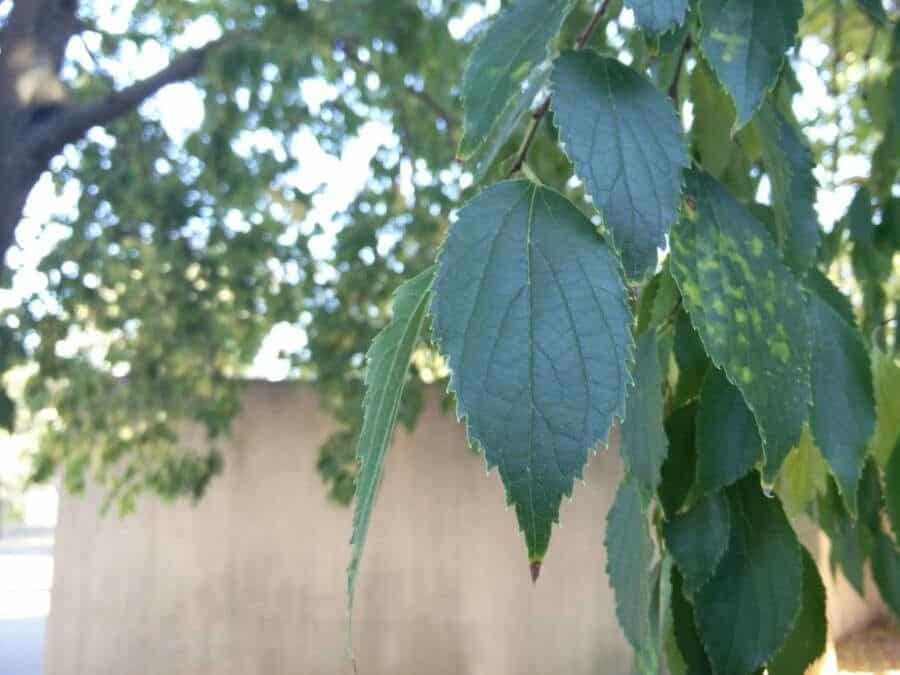
The Celtis australis, more commonly known as the European Nettle Tree (though it’s not actually a nettle!), is a majestic sight. With its elegant, weeping branches, smooth, gray bark, and vibrant green foliage that turns to a glorious golden yellow in autumn, it’s no surprise this tree is prized by gardeners and landscapers alike.
If you’re dreaming of adding this stately beauty to your own outdoor space, you might be pleased to know it can be propagated at home. Let’s delve into the world of Celtis australis propagation, covering both seed and cutting methods.
Method 1: Starting from Seed
Propagating from seed offers a rewarding, albeit slightly more time-consuming, approach:
- Seed Collection: Gather mature fruits, which resemble small, dark purple berries, in the autumn. Remove the fleshy outer layer and extract the hard, inner seed.
- Stratification (Cold Treatment): Celtis australis seeds require a period of cold stratification to mimic natural winter conditions and break dormancy. Place the seeds in a moistened mix of sand or vermiculite inside a sealed plastic bag. Store them in the refrigerator (around 4°C or 40°F) for 60-90 days.
- Sowing: In early spring, sow the stratified seeds in seed trays or pots filled with a well-draining seed compost. Plant them about 1 inch deep and water gently.
- Location & Care: Keep the seed trays in a bright, warm location (around 20°C or 68°F) out of direct sunlight. Maintain consistent moisture, but avoid overwatering.
- Transplanting: Once the seedlings are a few inches tall and have developed a strong root system (usually after the last expected frost), transplant them to individual pots or directly into your garden.
Method 2: Taking Hardwood Cuttings
Propagating from hardwood cuttings is a faster method, but success rates can be slightly lower:
- Timing: Take cuttings in late fall or winter, during the tree’s dormant period.
- Cutting Selection: Choose healthy, mature branches that are about the thickness of a pencil.
- Preparing the Cuttings: Make a clean cut just below a node (the point where leaves emerge) at the base and another cut about 6-8 inches above. Remove any leaves from the lower two-thirds of the cutting.
- Rooting Hormone (Optional): Dipping the base of the cutting in rooting hormone powder can increase the chances of successful rooting.
- Planting: Insert the cuttings into pots filled with a well-draining mix of peat moss and perlite or sand.
- Location & Care: Water thoroughly and keep the cuttings in a cool, shaded location. Maintaining high humidity by covering the pots with a plastic bag can be helpful.
- Transplanting: After a few months, gently tug on the cuttings to check for root development. Once the roots are established, you can transplant them into larger pots or directly into your garden.
Caring for your Celtis australis
Whether you choose to start from seed or cuttings, once your Celtis australis saplings are established, they are relatively low-maintenance. They prefer well-drained soil, full sun to partial shade, and are quite drought-tolerant once matured. Regular watering during their first few years, however, will encourage strong root development.
Propagating your own Celtis australis offers a fulfilling experience, allowing you to witness the growth journey of this striking tree. With a little patience and care, you can enjoy the beauty and shade of this magnificent tree in your own backyard for generations to come.